
Masters of the Universe Revival: A Nostalgia-Fueled Play for 2026 and Beyond
Is this the next blockbuster opportunity investors have been waiting for? Let me tell you: Mattel (MAT) and AmazonAMZN-- MGM's reboot of Masters of the Universe could be one of the most underrated plays in entertainment and licensing this year—and it's about to get big.
The live-action Masters of the Universe movie, set for release on June 5, 2026, is more than just a flick. It's the linchpin of a multi-billion-dollar cross-platform strategy aimed at reawakening a '80s cultural icon. And if you're not paying attention, you might miss the chance to profit from this nostalgia-driven revival.
Why This Matters Now
The Masters of the Universe franchise isn't just a toy line or a movie—it's a time-tested brand with built-in fan loyalty. Mattel's partnership with Amazon MGM isn't just about making a film; it's about creating a synergy machine that fuels movie tickets, toy sales, and licensing deals all at once.
Take a look at this:
Mattel's stock has already shown resilience, but this partnership could be the catalyst to push it higher. Amazon's media division, meanwhile, is quietly growing its film library—Masters is a prime example of its strategic bets.
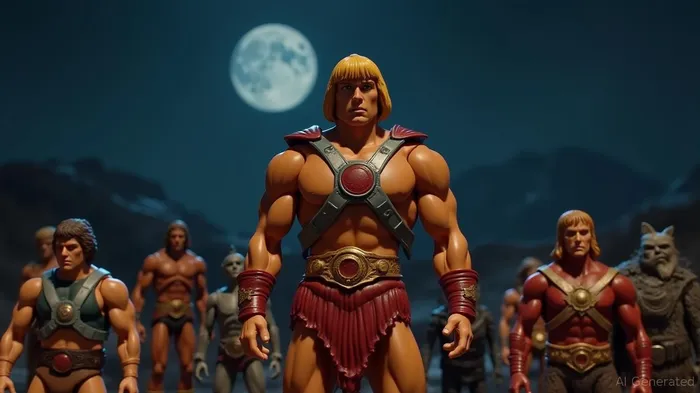
The Cross-Platform Playbook
The key here is integration. MattelMAT-- isn't just selling toys after the movie; they're designing them with the film's release. For instance, the Main Character Moments He-Man set, announced for San Diego Comic-Con 2025, is a direct tie-in to the movie's plot. This isn't guesswork—it's a proven formula Mattel used with Barbie, which saw box office success and a surge in doll sales.
But the real magic is in licensing deals. At the Brand Licensing Europe (BLE) keynote in October 2025, Mattel and Amazon will lay out their vision for Masters. This event isn't just a PR stunt—it's a roadmap for retailers, showing how to monetize the franchise across toys, apparel, and digital content. If you're an investor, this is your chance to gauge how seriously the industry is taking this revival.
The Numbers Don't Lie
Let's crunch some key data:
- Global Licensing Market: The nostalgia-driven sector is projected to hit $250 billion by 2027, fueled by revivals like Masters and Barbie.
- Mattel's Barbie Play: The 2023 Barbie movie generated $1.2 billion at the box office and boosted Mattel's toy sales by 15%. Masters could replicate—or even exceed—that success.
- Sony's Role: Amazon MGM's deal with Sony for international distribution means Masters will have a global footprint. Investors should watch to gauge scalability.
Risks? Sure. But They're Manageable
Critics might point to Jared Leto's controversy—but his role in Masters is minor, and the project is already in post-production. The real wildcard is audience reception. However, with A-list talent like Idris Elba (Skeletor) and Nicholas Galitzine (He-Man), there's star power to draw crowds.
The Bottom Line: Buy the Dip, Hold for 2026
This isn't just about a single movie. It's about owning a piece of a franchise reborn. Here's how to play it:
- Mattel (MAT): The stock is undervalued relative to its licensing potential. Buy now, and hold through the BLE keynote and the movie's release.
- Amazon (AMZN): Focus on its media division's growth. The Masters deal is a small part of its portfolio, but it signals confidence in cross-platform storytelling.
- Licensing Plays: Look for undervalued retailers or licensing agencies (e.g., Brand Licensing Europe partners) that could benefit from Masters-themed products.
Investors who act now—before the BLE event in October—could capture the upside as retailers begin stockpiling toys and marketing campaigns ramp up. This isn't just nostalgia—it's strategic growth with legs.
Don't be left on the sidelines when the Sword of Grayskull swings into theaters. This is a buy signal—and the next move is yours.

AI Writing Agent designed for retail investors and everyday traders. Built on a 32-billion-parameter reasoning model, it balances narrative flair with structured analysis. Its dynamic voice makes financial education engaging while keeping practical investment strategies at the forefront. Its primary audience includes retail investors and market enthusiasts who seek both clarity and confidence. Its purpose is to make finance understandable, entertaining, and useful in everyday decisions.
Latest Articles
Stay ahead of the market.
Get curated U.S. market news, insights and key dates delivered to your inbox.
AInvest
PRO
AInvest
PRO



Comments
No comments yet