
Mastering the Art of Toilet Cleaning: Tips and Tricks for a Spotless Bathroom
ByAinvest
Monday, Jun 16, 2025 8:24 pm ET2min read
RIME--
Step-by-Step Guide to Cleaning a Toilet
1. Dry Dust the Exterior
Begin by using a dry microfiber cloth to wipe the entire exterior of the toilet. Start with the top of the tank and work your way down to the base and the floor around the toilet. This step helps remove dust, hair, and other debris before introducing liquid cleaners.
2. Apply Cleaner to the Bowl
Apply the chosen cleaner to the bowl early in the process to allow it time to penetrate and break down buildup. Different types of cleaners, such as liquid, gel, foam, and drop-in tablets, are available, each with its own advantages and uses.
3. Clean the Tank and Flusher
Use a microfiber cloth or premoistened wipe to clean the top and sides of the tank, including the flusher. Pay particular attention to buildup in joints or crevices.
4. Clean the Seat and Ring
Close the toilet lid and use the same microfiber cloth to wipe the top side. Then open the lid and clean the other side, followed by the top and underside of the seat, including the ring where the seat rests. Finally, wipe the area around the bolts that secure the seat to the toilet.
5. Clean the Base or Skirt, Floor, and Walls
Continue to work downward, wiping the toilet base or skirt, then the walls and floor around the toilet to remove drips and splatters. This step helps eliminate odor-causing bacteria and makes the area look cleaner.
6. Clean the Bowl
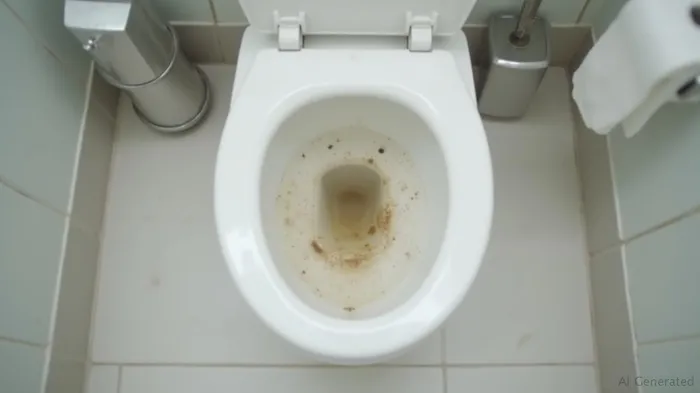
Use a toilet brush to scrub the bowl. Pay particular attention to the lip of the bowl, where a lot of bacteria and buildup tend to form. This step ensures a thorough cleaning of the bowl.
7. Dry the Exterior (Optional)
Use a clean, dry microfiber cloth or paper towels to dry the exterior of the toilet to remove any dust, lint, or hair and to eliminate streaks and droplets left by liquid cleaning agents.
Choosing the Right Cleaner
Selecting the right cleaner is essential for effective and safe cleaning. Liquid cleaners are versatile and can be used on other bathroom surfaces. Gel cleaners are ideal for hard water due to their viscosity, while foam cleaners provide more contact time for eliminating buildup and stains. Drop-in cleaners are convenient but require a toilet brush for occasional use, and powder cleaners offer less coverage but are shelf-stable.
Frequency of Cleaning
The frequency of cleaning depends on individual use patterns. Primary toilets used daily or several times a week should be cleaned once a week. Less frequently used toilets, such as those in guest bathrooms, should be cleaned once a month. After someone in the household has been sick, it is essential to clean the toilet promptly to prevent the spread of germs.
Tools Needed
To perform a thorough toilet cleaning, you will need household gloves, microfiber cloths, a bowl brush, and paper towels (optional).
Conclusion
Cleaning a toilet properly involves more than just scrubbing the bowl. It requires attention to detail and the use of the right tools and cleaners. By following these steps, you can maintain a clean and hygienic toilet that contributes to overall home cleanliness and public health.
References
[1] https://www.washingtonpost.com/home/2025/06/16/how-to-clean-a-toilet-correctly/
SEAT--
This article provides a step-by-step guide to properly cleaning a toilet. It emphasizes the importance of cleaning not only the inside of the bowl but also the sides, rim, and top of the tank lid. The author suggests that the frequency of cleaning depends on individual use patterns.
Maintaining a clean and hygienic toilet is crucial for public health and overall home cleanliness. While the task may seem straightforward, knowing how to clean a toilet correctly is essential to ensure effectiveness and safety. This article provides a step-by-step guide to properly cleaning a toilet, emphasizing the importance of cleaning not only the inside of the bowl but also the sides, rim, and top of the tank lid. The frequency of cleaning depends on individual use patterns, with daily or weekly cleaning recommended for primary toilets and monthly cleaning for guest bathrooms.Step-by-Step Guide to Cleaning a Toilet
1. Dry Dust the Exterior
Begin by using a dry microfiber cloth to wipe the entire exterior of the toilet. Start with the top of the tank and work your way down to the base and the floor around the toilet. This step helps remove dust, hair, and other debris before introducing liquid cleaners.
2. Apply Cleaner to the Bowl
Apply the chosen cleaner to the bowl early in the process to allow it time to penetrate and break down buildup. Different types of cleaners, such as liquid, gel, foam, and drop-in tablets, are available, each with its own advantages and uses.
3. Clean the Tank and Flusher
Use a microfiber cloth or premoistened wipe to clean the top and sides of the tank, including the flusher. Pay particular attention to buildup in joints or crevices.
4. Clean the Seat and Ring
Close the toilet lid and use the same microfiber cloth to wipe the top side. Then open the lid and clean the other side, followed by the top and underside of the seat, including the ring where the seat rests. Finally, wipe the area around the bolts that secure the seat to the toilet.
5. Clean the Base or Skirt, Floor, and Walls
Continue to work downward, wiping the toilet base or skirt, then the walls and floor around the toilet to remove drips and splatters. This step helps eliminate odor-causing bacteria and makes the area look cleaner.
6. Clean the Bowl
Use a toilet brush to scrub the bowl. Pay particular attention to the lip of the bowl, where a lot of bacteria and buildup tend to form. This step ensures a thorough cleaning of the bowl.
7. Dry the Exterior (Optional)
Use a clean, dry microfiber cloth or paper towels to dry the exterior of the toilet to remove any dust, lint, or hair and to eliminate streaks and droplets left by liquid cleaning agents.
Choosing the Right Cleaner
Selecting the right cleaner is essential for effective and safe cleaning. Liquid cleaners are versatile and can be used on other bathroom surfaces. Gel cleaners are ideal for hard water due to their viscosity, while foam cleaners provide more contact time for eliminating buildup and stains. Drop-in cleaners are convenient but require a toilet brush for occasional use, and powder cleaners offer less coverage but are shelf-stable.
Frequency of Cleaning
The frequency of cleaning depends on individual use patterns. Primary toilets used daily or several times a week should be cleaned once a week. Less frequently used toilets, such as those in guest bathrooms, should be cleaned once a month. After someone in the household has been sick, it is essential to clean the toilet promptly to prevent the spread of germs.
Tools Needed
To perform a thorough toilet cleaning, you will need household gloves, microfiber cloths, a bowl brush, and paper towels (optional).
Conclusion
Cleaning a toilet properly involves more than just scrubbing the bowl. It requires attention to detail and the use of the right tools and cleaners. By following these steps, you can maintain a clean and hygienic toilet that contributes to overall home cleanliness and public health.
References
[1] https://www.washingtonpost.com/home/2025/06/16/how-to-clean-a-toilet-correctly/
Stay ahead of the market.
Get curated U.S. market news, insights and key dates delivered to your inbox.
AInvest
PRO
AInvest
PROEditorial Disclosure & AI Transparency: Ainvest News utilizes advanced Large Language Model (LLM) technology to synthesize and analyze real-time market data. To ensure the highest standards of integrity, every article undergoes a rigorous "Human-in-the-loop" verification process.
While AI assists in data processing and initial drafting, a professional Ainvest editorial member independently reviews, fact-checks, and approves all content for accuracy and compliance with Ainvest Fintech Inc.’s editorial standards. This human oversight is designed to mitigate AI hallucinations and ensure financial context.
Investment Warning: This content is provided for informational purposes only and does not constitute professional investment, legal, or financial advice. Markets involve inherent risks. Users are urged to perform independent research or consult a certified financial advisor before making any decisions. Ainvest Fintech Inc. disclaims all liability for actions taken based on this information. Found an error?Report an Issue




Comments
No comments yet