
Mastercard and Bitget Launch Zero-Fee Crypto Card for Global Spending
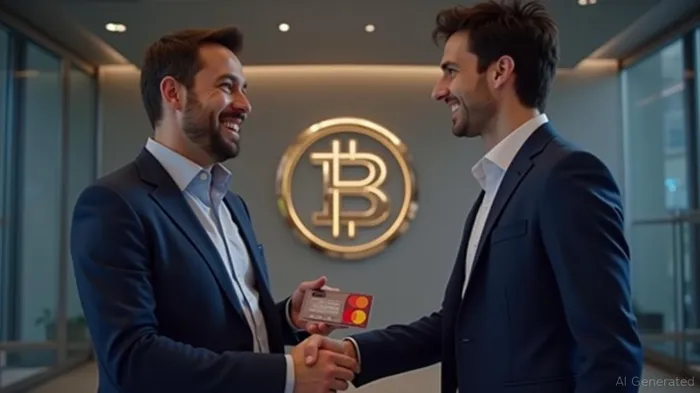
Mastercard and Bitget Wallet have joined forces to introduce a "zero-fee" crypto card, enabling users to spend their cryptocurrency directly from their digital wallets at over 150 million MastercardMA-- merchants globally. This innovative card supports stablecoins like USDC, providing users with protection against the volatility of BitcoinBTC-- and EthereumETH--. The initiative aims to benefit regions with unstable currencies or limited access to financial services, envisioning a future where crypto payments are as seamless as traditional cash or card transactions.
The Mastercard–Bitget wallet crypto card is the result of a collaboration between Mastercard, Bitget, and Immersive, a licensed card issuer responsible for on-chain conversions and regulatory compliance. Users can make purchases at any physical or online store accepting Mastercard without manually transferring funds, waiting for exchanges to clear transactions, or using multiple apps. The approval process is swift, involving basic KYC verification and a small issuance fee of 10 USDC. Users receive a virtual card instantly upon approval and can request a physical card. The card is currently available in the United Kingdom and the European Union, with plans to expand into Latin America, Australia, and New Zealand.
While the "zero-fee" card promises no application or annual fees, there are still costs involved that may not be immediately apparent to users. These costs can include exchange rates, ATM fees, or blockchain network fees, which vary based on network congestion. Critics argue that the term "zero-fee" could mislead first-time users who may not fully understand the intricacies of crypto transactions. The card's initial exclusivity to Bitget VIP users suggests that it may first serve Bitget's interest in reinforcing user loyalty and collecting transaction insights from its most valuable customer segment.
Bitget Wallet’s “GetGas” feature subsidizes or waives initial gas fees for new users and offers ongoing discounts for specific types of transfers. The first 2,000 cardholders will receive 5% cashback in BGB tokens in their first month and can stake idle stablecoins like USDC directly from the wallet. However, the reality of "zero-fee" transactions depends on how the card is used. Users may experience minimal fees if they transactTACT-- mostly in USDC on the Base chain and shop with online merchants in the same country, but costs can escalate with cross-border shopping, frequent asset switching, or interactions with other networks.
The legal and regulatory landscape for crypto payments is still evolving, which could impact the card's future. The expected Markets in Crypto-Assets (MiCA) framework in the European Union will introduce strict rules for companies dealing with digital assets, particularly stablecoins. This may require Bitget, Immersive, or Mastercard to adjust their practices. Outside the EU, countries have varying standards for KYC and AML rules, which could disrupt user experiences. Additionally, giving out detailed personal information for crypto spending may feel like a step backward for users who value privacy.
Bitget Wallet is non-custodial, meaning users control their private keys and funds, but this also places responsibility on the user. There is no way to recover funds if access to the wallet is lost, the recovery phrase is forgotten, or a phishing scam is encountered. While Bitget may have a large user protection fund, the specifics of its use in case of fraud, technical error, or regulatory shutdowns remain unclear. The card operates in a space where regulations are still being defined, and compliance today may not guarantee compliance tomorrow. For instance, Bitget and its partners could be forced to redesign the payment process if new regulations are introduced.
While users benefit from instant access and a seamless user experience, Bitget and Mastercard also gain from this partnership. Bitget reinforces user loyalty and expands its footprint in new markets, while Mastercard embeds itself into the future of crypto payments and collects data to shape the next generation of financial products. However, the promise of decentralization may fade if crypto cards replace banks but rely on the same central intermediaries. Users may enjoy "zero fees" but could end up paying with their privacy, flexibility, and future choices.

Stay ahead of the market.
Get curated U.S. market news, insights and key dates delivered to your inbox.




Comments
No comments yet