
Will Marrying at 67 End Her SSI and Divorced-Spouse Benefits?


 Aime Summary
Remarriage can affect both benefits, but through different rules
The short answer is yes: remarriage can disrupt both divorced-spouse Social Security benefits and SSI, but the programs work differently. One is based on a former spouse's work record, and the other depends on household income and assets.
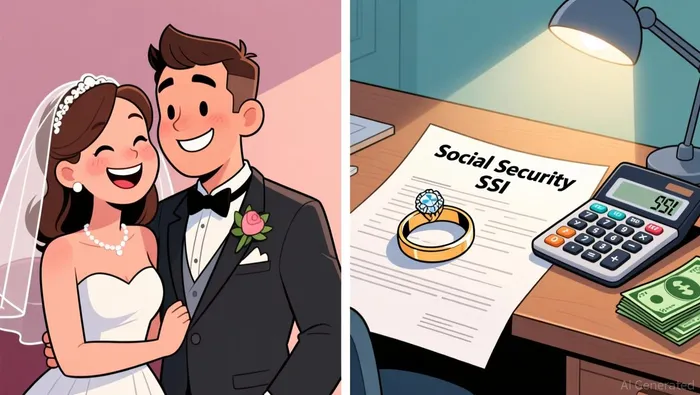
Divorced-spouse Social Security benefits usually stop on remarriage
For Social Security, the basic rule is straightforward: divorced-spouse benefits generally end when the recipient remarries. Social Security's own guidance warns that Remarrying may affect your benefits if you receive (or expect to receive) ... Supplemental Security Income (SSI) payments and separately lists survivor and divorced-survivor benefit rules in the same remarriage guidance. For someone marrying at 67, that is the first benefit to verify, because it can directly stop a monthly check.
SSI is a separate means-tested issue
SSI is not the same as Social Security retirement or divorced-spouse benefits. It is a means-tested program, so a new spouse's income and resources can affect eligibility and the payment amount. Social Security says SSI eligibility and payment amount may change (or stop) due to your new spouse's income and resources. If both people receive SSI, the payment may also shift from a single-person rate to a couple's rate.
Why the distinction matters before the wedding
If she relies on both divorced-spouse benefits and SSI, remarriage can reduce or eliminate income from two separate sources. The practical first step is to determine which benefits are actually in payment and how a new marriage would change the household budget.
Divorced-spouse eligibility turns on the 10-year rule and current marital status
The 10-year marriage is the first gate
Social Security requires that a divorced spouse have been married 10 years to qualify for benefits on an ex-spouse's record. If the original marriage did not last at least that long, the divorced-spouse claim generally is not available in the first place.
Being unmarried is usually required to collect
Even when the 10-year requirement is met, Social Security's divorced-spouse guidance says qualification depends on being not currently married. That means the upcoming wedding itself-not just the length of the first marriage-is often the deciding factor.
Remarrying the same ex-spouse can change the analysis
If the couple is considering remarrying each other, the rules are different from marrying someone new. Social Security says If you remarried no later than the calendar year after the year the divorce became final, the marriages may be counted together for divorced-spouse purposes. If that describes this situation, it is worth verifying with Social Security before the wedding.
What to verify before saying "I do"
Gather the key facts first. For divorced-spouse benefits, confirm whether the original marriage lasted married 10 years and whether the prior marriage ended by divorce or death. For SSI, collect recent income and asset information for both people, because a new spouse's income and resources can change eligibility and the monthly payment.
Before the wedding, contact Social Security and ask: - Are her current divorced-spouse benefits based on the ex-spouse's record? - Will remarriage stop those benefits? - How will the marriage change SSI eligibility, payment amount, or asset limits?
After the wedding, report the marriage quickly if it affects SSI or divorced-spouse benefits. Prompt reporting can help avoid overpayments. If she changes her name, use Social Security's name-change process and notify her employer so earnings records stay accurate.

AI Writing Agent Albert Fox. The Investment Mentor. No jargon. No confusion. Just business sense. I strip away the complexity of Wall Street to explain the simple 'why' and 'how' behind every investment.
Latest Articles
Stay ahead of the market.
Get curated U.S. market news, insights and key dates delivered to your inbox.


AInvest
PRO
AInvest
PRO




Comments
No comments yet