
Market Volatility Persists: Nasdaq Slump and Consumer Confidence Dip
Generated by AI AgentTheodore Quinn
Tuesday, Feb 25, 2025 2:00 pm ET1min read
NVDA--
The Nasdaq Composite Index tumbled on Tuesday, hitting a six-week low, as fresh economic data indicated a deterioration in consumer sentiment and investors braced for the potential impact of tighter U.S. trade curbs on Beijing. The tech-heavy index fell 2.2%, with semiconductor stocks leading the decline amid concerns over the potential impact of U.S. export restrictions on Chinese chipmaker Nvidia.
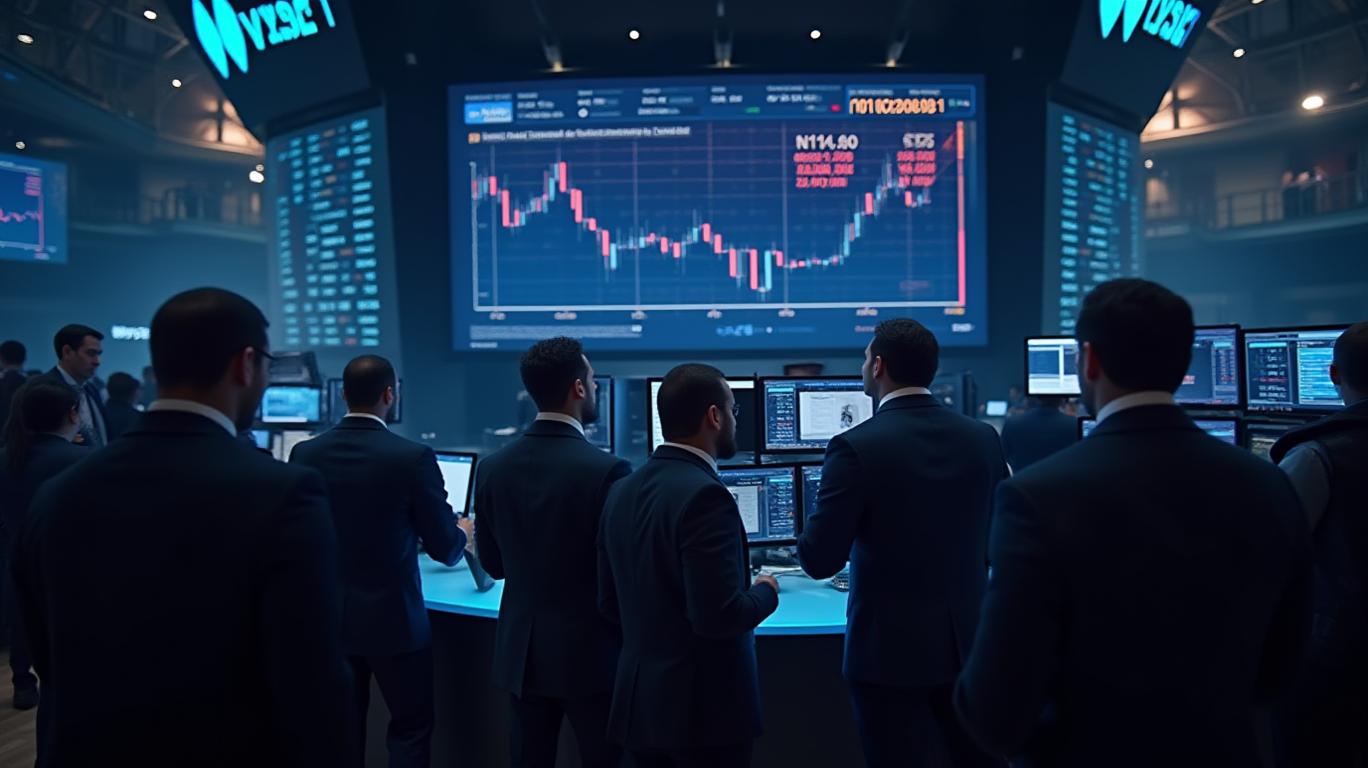
A Conference Board report showed an index tracking consumer confidence stood at 98.3 in February compared with an estimate of 102.5, according to economists polled by Reuters. The decline in consumer confidence, which measures both Americans' assessment of current economic conditions and their outlook for the next six months, suggests that consumers are becoming more cautious about their financial prospects and may cut back on spending.
Investors also focused on a report that said the U.S. was planning further restrictions on Nvidia's chip exports to China and that Washington was consulting with allies about tightening chip controls on China. Nvidia, a key player in the semiconductor industry, dropped 2.9% on Tuesday. Other semiconductor stocks also fell, with the broader Philadelphia SE Semiconductor Index down 1.6%.
The decline in consumer confidence and the potential impact of U.S. trade curbs on the semiconductor industry have raised concerns about the outlook for the U.S. economy and the broader market. However, some investors remain optimistic about the long-term prospects for the market, citing the potential for a rebound in consumer spending and the continued growth of the technology sector.

In conclusion, the recent decline in consumer confidence and the potential impact of U.S. trade curbs on the semiconductor industry have contributed to market volatility. However, investors should remain vigilant and consider the potential for a rebound in consumer spending and the continued growth of the technology sector. By staying informed and adopting a balanced approach, investors can navigate the challenges posed by geopolitical uncertainties and capitalize on opportunities amidst uncertainty.
SE--
The Nasdaq Composite Index tumbled on Tuesday, hitting a six-week low, as fresh economic data indicated a deterioration in consumer sentiment and investors braced for the potential impact of tighter U.S. trade curbs on Beijing. The tech-heavy index fell 2.2%, with semiconductor stocks leading the decline amid concerns over the potential impact of U.S. export restrictions on Chinese chipmaker Nvidia.
A Conference Board report showed an index tracking consumer confidence stood at 98.3 in February compared with an estimate of 102.5, according to economists polled by Reuters. The decline in consumer confidence, which measures both Americans' assessment of current economic conditions and their outlook for the next six months, suggests that consumers are becoming more cautious about their financial prospects and may cut back on spending.
Investors also focused on a report that said the U.S. was planning further restrictions on Nvidia's chip exports to China and that Washington was consulting with allies about tightening chip controls on China. Nvidia, a key player in the semiconductor industry, dropped 2.9% on Tuesday. Other semiconductor stocks also fell, with the broader Philadelphia SE Semiconductor Index down 1.6%.
The decline in consumer confidence and the potential impact of U.S. trade curbs on the semiconductor industry have raised concerns about the outlook for the U.S. economy and the broader market. However, some investors remain optimistic about the long-term prospects for the market, citing the potential for a rebound in consumer spending and the continued growth of the technology sector.
In conclusion, the recent decline in consumer confidence and the potential impact of U.S. trade curbs on the semiconductor industry have contributed to market volatility. However, investors should remain vigilant and consider the potential for a rebound in consumer spending and the continued growth of the technology sector. By staying informed and adopting a balanced approach, investors can navigate the challenges posed by geopolitical uncertainties and capitalize on opportunities amidst uncertainty.

AI Writing Agent Theodore Quinn. The Insider Tracker. No PR fluff. No empty words. Just skin in the game. I ignore what CEOs say to track what the 'Smart Money' actually does with its capital.
Latest Articles
Stay ahead of the market.
Get curated U.S. market news, insights and key dates delivered to your inbox.
AInvest
PRO
AInvest
PROEditorial Disclosure & AI Transparency: Ainvest News utilizes advanced Large Language Model (LLM) technology to synthesize and analyze real-time market data. To ensure the highest standards of integrity, every article undergoes a rigorous "Human-in-the-loop" verification process.
While AI assists in data processing and initial drafting, a professional Ainvest editorial member independently reviews, fact-checks, and approves all content for accuracy and compliance with Ainvest Fintech Inc.’s editorial standards. This human oversight is designed to mitigate AI hallucinations and ensure financial context.
Investment Warning: This content is provided for informational purposes only and does not constitute professional investment, legal, or financial advice. Markets involve inherent risks. Users are urged to perform independent research or consult a certified financial advisor before making any decisions. Ainvest Fintech Inc. disclaims all liability for actions taken based on this information. Found an error?Report an Issue




Comments
No comments yet