
Market Sentiment and Equity Valuation Shifts Amid Thomas Lee's Bearish Recalibration


 Aime Summary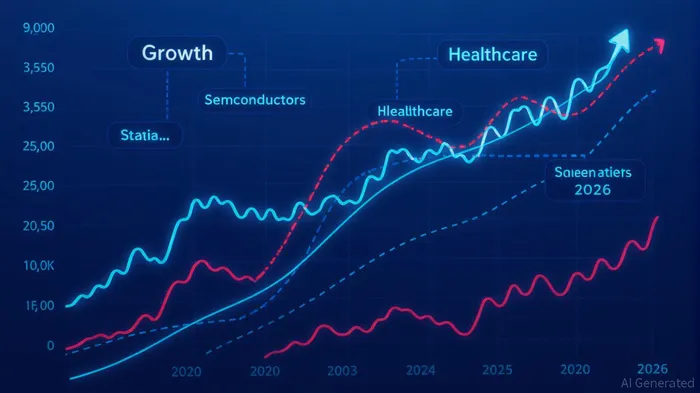
The investment landscape in 2025 has been reshaped by a stark recalibration of market sentiment, driven by Thomas Lee, the influential Head of Research at Fundstrat Global Advisors. While Lee is not affiliated with JMP Securities—a common point of confusion—he has emerged as a pivotal voice in articulating a bearish outlook for the next 12–18 months. His warnings about macroeconomic headwinds—tariff uncertainty, sticky inflation, and Federal Reserve policy ambiguity—have sent ripples through equity valuations, particularly in growth-oriented sectors. For investors, this recalibration demands a reevaluation of risk exposure and a strategic pivot toward undervalued opportunities as volatility intensifies.
The Bearish Thesis: Macro Risks and Structural Pressures
Lee's bearish stance is rooted in three interconnected factors. First, the specter of aggressive import tariffs under the Trump administration looms large, threatening to reignite inflationary pressures. While recent trade agreements with the U.K. and China have offered temporary relief, Lee argues that these deals are fragile and insufficient to counteract the broader risk of protectionist policies. This uncertainty disproportionately impacts industrials, consumer discretionary, and small-cap stocks, which are more exposed to global supply chains and discretionary spending.
Second, core inflation remains stubbornly elevated, with housing and used car prices acting as persistent drag. Lee anticipates a “second wave” of inflationary pressure in 2025, which could delay the Federal Reserve's rate-cutting cycle. This “echo effect” would prolong tight monetary conditions, squeezing corporate margins and dampening equity valuations.
Third, the Fed's dovish pivot, while a cornerstone of Lee's cautious optimism, introduces volatility. The timing and magnitude of rate cuts remain uncertain, creating a tug-of-war between market bulls and bears. This ambiguity has already prompted institutional investors to shift capital toward defensive sectors and fixed-income instruments, a trend likely to accelerate as 2025 unfolds.
Implications for Growth Sectors and Investor Psychology
The bearish recalibration has had a pronounced effect on growth sectors, particularly those reliant on speculative valuations. AI-driven tech and semiconductors, once darlings of the market, have seen their multiples compress as investors factor in higher discount rates and prolonged Fed tightening. Lee's warnings have amplified caution, with many fund managers adopting a “wait-and-see” approach ahead of potential earnings disappointments.
Investor psychology, meanwhile, is shifting toward risk aversion. The fear of a “soft landing” narrative unraveling has led to increased hedging activity, with protective puts and collars becoming more prevalent in institutional portfolios. Retail investors, too, are showing signs of fatigue, with trading volumes in speculative stocks declining as attention turns to dividend-paying equities and Treasury bonds.
Strategic Opportunities in Undervalued Equities
Amid the bearish backdrop, opportunities are emerging in undervalued equities. Defensive sectors such as utilities, healthcare, and consumer staples have gained traction, supported by their resilience to macroeconomic shocks. Small-cap stocks, though vulnerable to tariffs, are trading at historically low valuations, offering potential for outperformance if the Fed initiates rate cuts earlier than expected.
Moreover, the shift in capital toward fixed-income instruments has created a yield premium that could attract equity investors seeking downside protection. For example, inflation-protected securities (TIPS) and high-conviction small-cap ETFs are now being viewed as complementary assets in diversified portfolios.
Navigating the Volatility: A Call for Discipline
For investors, the key takeaway is the need for disciplined asset allocation. While Lee's bearish outlook underscores the risks of overexposure to growth sectors, it also highlights the importance of tactical rebalancing. Defensive equities and fixed-income instruments should form the core of portfolios, with satellite positions in high-conviction growth stocks that demonstrate strong cash flow resilience.
Additionally, hedging strategies—such as options-based protection—can mitigate downside risk in a volatile environment. Investors should also monitor the Fed's policy signals closely, as any deviation from the current tightening path could trigger a re-rating of equities.
In conclusion, Thomas Lee's bearish recalibration serves as a cautionary signal for the market. While the macroeconomic headwinds he identifies are formidable, they also create fertile ground for strategic opportunities in undervalued assets. For those willing to navigate the volatility with patience and precision, the next phase of the market cycle may offer compelling returns.

Mezclando la sabiduría tradicional del comercio con las perspectivas de vanguardia en el campo de las criptomonedas.
Latest Articles
Stay ahead of the market.
Get curated U.S. market news, insights and key dates delivered to your inbox.


AInvest
PRO
AInvest
PRO



Comments
No comments yet