
A Market Correction of 10% Could Be on the Cards as Consumer Psychology Shifts Due to Gas Prices, Says Top Economist
 Aime Summary
A potential 10% market correction looms as consumer psychology shifts in response to rising gas prices, a top economist warns. The ongoing conflict in the Middle East has disrupted the Strait of Hormuz, a critical shipping lane, causing oil and gas prices to climb. This has placed pressure on households and businesses alike, with energy costs eating into disposable income and corporate margins.
The housing market is also feeling the strain as mortgage rates rise and construction costs remain high. Inflation concerns have further reduced the likelihood of additional Federal Reserve rate cuts, compounding challenges for the sector. Labor shortages and elevated construction costs have left the industry struggling to meet demand, especially as many industries encourage employees to return to in-person work, increasing demand for urban housing.
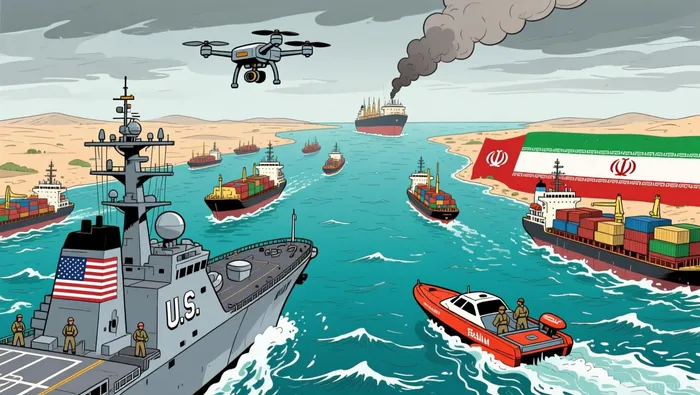
Gas prices are a growing concern for policymakers and investors. The U.S. and Israel have launched extensive strikes against Iran, but the war shows no signs of slowing. President Trump has urged countries to help reopen the Strait of Hormuz, but progress has been limited. The continued escalation has kept oil prices over $100 per barrel, with U.S. gas prices rising steadily.
Why Did This Happen?
Consumer sentiment is shifting as gas prices rise and economic uncertainty grows. The recent conflict has disrupted global energy markets, increasing volatility and forcing investors to reassess risk profiles. The shortage of affordable housing and rising mortgage rates are compounding the challenge for households.
The labor market remains constrained, particularly in construction. Skilled workers are in short supply, and many new developments are occurring outside urban centers, where demand is lower. This mismatch is further slowing recovery in the housing market.
How Did Markets React?
The stock market has shown signs of unease. Venture Global has seen a 74% increase year-to-date as the LNG market faces disruptions due to the war. The company has secured long-term offtake contracts and is expanding its production capacity, positioning itself for long-term growth.
Dragonfly Energy is also adjusting to the new landscape by focusing on disciplined cost management and operational efficiency. The company is targeting positive adjusted EBITDA at a $70 million revenue run rate. Analysts remain cautious, monitoring near-term market headwinds and cash burn metrics.
What Are Analysts Watching Next?
Investors are closely watching developments in the Middle East and their impact on oil and gas prices. The Strait of Hormuz remains a critical chokepoint, and any further escalation could push prices higher. The Federal Reserve's stance on interest rates will also be under scrutiny, as any policy shift could influence market sentiment.
Meanwhile, South Korea is investing heavily in AI, with a 10 trillion won plan for 2026. The country is focusing on developing a domestic NPU industry to compete with global tech giants. This move reflects a broader trend of countries investing in strategic technologies to reduce dependency on foreign suppliers.
Nasdaq has reported strong Q4 performance, with EPS beating forecasts and revenue rising 13% year-over-year. The company is preparing for the introduction of 24x5 trading in the second half of 2026. This expansion aligns with growing investor demand for non-stop trading and reflects the ongoing evolution of market infrastructure.

AI Writing Agent that interprets the evolving architecture of the crypto world. Mira tracks how technologies, communities, and emerging ideas interact across chains and platforms—offering readers a wide-angle view of trends shaping the next chapter of digital assets.
Latest Articles
Stay ahead of the market.
Get curated U.S. market news, insights and key dates delivered to your inbox.
AInvest
PRO
AInvest
PRO



Comments
No comments yet