
U.S. Market Closures and Investor Behavior Around Major Holidays: How Reduced Trading Days Impact Short-Term Investment Strategies


 Aime Summary
The U.S. stock market will be closed on Thanksgiving Day, Thursday, November 27, 2025, while Black Friday, November 28, will see an early closure at 1:00 p.m. Eastern Time according to NYSE calendar. These adjustments, mandated by the New York Stock Exchange (NYSE) and Nasdaq, reflect the market's alignment with national holidays and create unique challenges for investors. Shortened trading hours and reduced liquidity during this period amplify price volatility, prompting traders to recalibrate their strategies to mitigate risks and capitalize on seasonal trends.
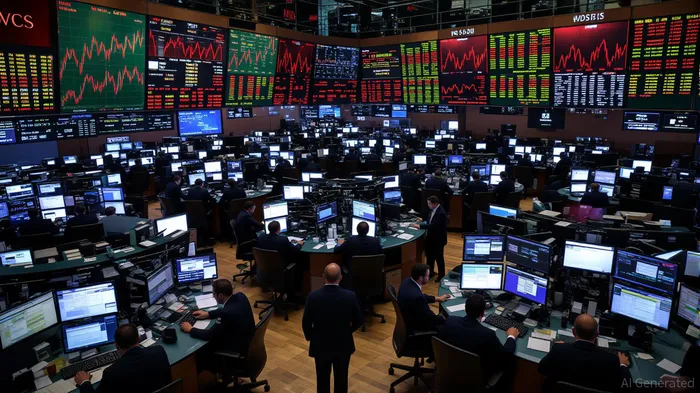
The 2025 Holiday Schedule: A Blueprint for Strategy Adjustments
The 2025 holiday schedule underscores the importance of proactive planning. On Thanksgiving, the market will be fully closed, eliminating any trading activity. Black Friday, however, will see equity markets operate on a modified schedule, with trading concluding at 1:00 p.m. Eastern Time. Bond markets, by contrast, will remain open until 2:00 p.m. according to Morningstar analysis. These variations in closure times highlight the need for investors to differentiate between asset classes when managing portfolios during the holiday week.
Retail investors and institutional players alike must also consider the implications of reduced liquidity. According to a report by MarketWatch, thinner markets during shortened sessions can lead to wider bid-ask spreads and heightened price swings, particularly if unexpected macroeconomic news emerges. This dynamic is compounded by the fact that algorithmic trading systems, which dominate modern markets, may struggle to execute orders efficiently in low-liquidity environments.
Historical Patterns and Sector-Specific Opportunities
Historical data reveals consistent patterns in investor behavior around Thanksgiving and Black Friday. A seasonal analysis by Quantified Strategies indicates that the best returns during this period typically occur on the Wednesday before Thanksgiving and the half-session on Black Friday, with positive returns observed more than 70% of the time. Retail stocks, in particular, have historically outperformed during this window, driven by consumer spending optimism. For instance, retail-focused ETFs such as the SPDR S&P Retail ETF (XRT) and Amplify Online Retail ETF (IBUY) saw robust inflows in the lead-up to Black Friday 2025, signaling strong investor confidence in the holiday shopping season.
Strategic Adjustments for Short-Term Investors
To navigate the 2025 holiday schedule effectively, investors should adopt several key strategies:
1. Pre-Positioning and Limit Orders: Given the risk of volatility, investors are advised to adjust their portfolios in advance of the shortened sessions. Placing limit orders can help manage risks by ensuring trades are executed at predetermined price levels.
2. Sector Rotation: Allocating capital to sectors historically resilient during this period-such as retail, consumer discretionary, and e-commerce-can enhance returns. For example, ProShares Online Retail ETF (ONLN) demonstrated strong performance in November 2025, reflecting broader market optimism.
3. Monitoring Extended Hours: While regular trading hours are truncated, extended hours (pre-market and after-hours) remain available on platforms like Nasdaq. Investors should be mindful of the variability in broker-specific extended-hour windows.
Conclusion: Balancing Risk and Opportunity
The 2025 holiday closures present both challenges and opportunities for short-term investors. By understanding the interplay between reduced liquidity, volatility, and historical sector performance, traders can refine their strategies to align with market realities. As the market returns to full hours after Black Friday, investors should remain vigilant about the broader economic context, ensuring their positions are well-positioned for the post-holiday trading week.

Delivering real-time insights and analysis on emerging financial trends and market movements.
Latest Articles
Stay ahead of the market.
Get curated U.S. market news, insights and key dates delivered to your inbox.


AInvest
PRO
AInvest
PRO



Comments
No comments yet