
Mark Rutte Not Involved as Trump Pursues Ukraine Security Guarantees Amid Russia Talks
 Aime Summary
The closely watched diplomatic chess game concerning Ukraine's security has led to a swirl of discussions at the highest international levels. However, recent reports have not indicated any involvement or related statements from Mark Rutte, the Dutch political leader. Consequently, a reevaluation of the focus and analysis on Ukraine's strategies and the burgeoning deal from U.S. President Donald Trump and Russian President Vladimir Putin signifies an emphasis solely on the substance at hand, omitting elements unrelated to Rutte.
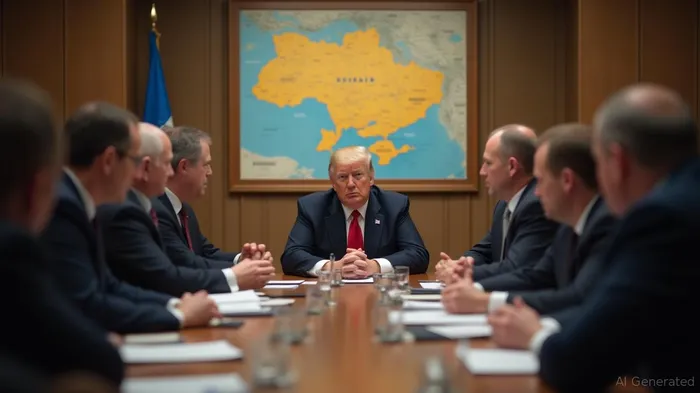
The geopolitical atmosphere remains fraught as President Trump navigates negotiations involving Russia's persistent war with Ukraine. Trump has been active in orchestrating potential peace accords, engaging in summit meetings, and not shying from making bold claims regarding security provisions for Ukraine. Following significant talks with Putin, Trump has signaled a readiness to extend security guarantees similar to NATO's Article 5 — though with many details left undefined and the skeptics wary of Russia’s intentions.
Russia's Foreign Ministry has vehemently ruled out incorporating NATO military contingencies in any security guarantees for Ukraine, affirming the Kremlin's firm stance against what it views as a possible escalation derived from NATO’s presence. Nonetheless, Trump's administration appears to pivot toward an intricate arrangement for robust security measures leveraging the collective strength of European allies—a notion supported by Ukrainian president Zelenskyy and echoed by European leaders.
The dynamics within these high-stakes discussions showcase both progress and potential setbacks, with diplomatic negotiators like Steve Witkoff delineating an emergent framework for a peace agreement that includes key concessions from Russia—such as ceasing further invasions into European territories. Such promises, however, are met with skepticism based on Putin's history of reneging on prior agreements, raising questions about the durability of newly proposed frameworks.
Seated amidst an assemblage of European leadership, President Zelenskyy remains firm in his call for security assurances that operate as a bulwark against future aggressions, encompassing principles akin to NATO's communal defense commitment. The U.S. pledges what analysts predict as "Article 5-like" protection but offers scant detail on execution and enforcement—leaving European leaders and Zelenskyy starting the formidable task of squeezing substantive guarantees from theoretical assurances.
European Commissioners and leaders expressed optimism, with Ursula von der Leyen heralding moves toward communal security for Ukraine while reminding all parties of the knowledge that peace must be resilient, not ephemeral. As Trump redirects his approaches from immediate ceasefire demands to broader peace plans, stakeholders realize the nuances in diplomatic resolutions where land concessions and sovereignty stipulations are on the table, yet remain largely unchanged.
Ultimately, achieving a lasting solution demands careful calibration of diplomacy and enforcement, balancing Ukraine's sovereignty with geopolitical realpolitik. While Mark Rutte’s perspective was not captured in the current news cycle, the outcome of the negotiations will have ramifications beyond the immediate diplomatic éclat for Ukraine, intertwining European security architecture in the new world order.

Stay ahead of the market.
Get curated U.S. market news, insights and key dates delivered to your inbox.


AInvest
PRO
AInvest
PRO



Comments
No comments yet