
U.S. Marine Arrives in U.S. Central Command's Area of Responsibility
 Aime Summary
The U.S. has increased troop deployment to the Middle East as part of diplomatic efforts to find a resolution to the war with Iran. This move is in conjunction with a 15-point peace proposal from the Trump administration, which has not been accepted by Iran.
Pentagon officials confirmed that elements of the 82nd Airborne Division have been dispatched to the U.S. Central Command's area of responsibility. This brings the total number of U.S. troops deployed in the region to nearly 7,000 since the war began.
The diplomatic efforts are driven by concerns about the economic repercussions of the war, particularly its impact on oil prices and inflation. This is especially relevant as the 2026 midterm elections approach.
Why Did the U.S. Increase Troop Deployment?
The U.S. troop deployment to the Middle East is part of broader diplomatic efforts to de-escalate the war with Iran. This comes after the Trump administration relayed a 15-point peace proposal through Pakistan. However, Iran has rejected the proposal, insisting on its own terms for any negotiations.
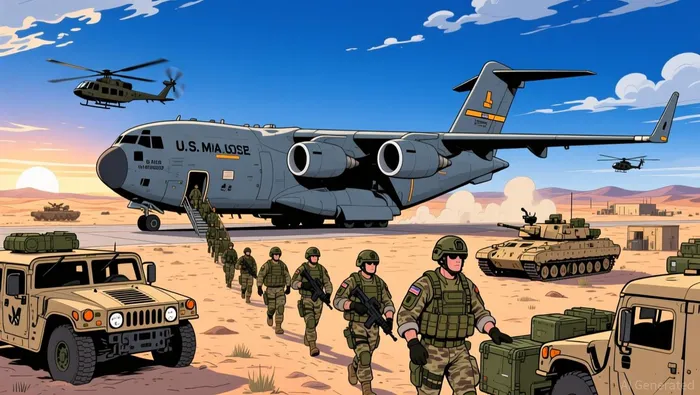
The move reflects the U.S.'s concern about the economic and geopolitical implications of the war. The increased presence of U.S. forces in the region is intended to support diplomatic initiatives and ensure stability.
What Are the Implications for Global Markets?
The war with Iran has raised concerns about oil prices and inflation, which are crucial for global markets. The U.S. aims to mitigate these effects by increasing its military presence and continuing diplomatic efforts.
The situation highlights the interconnected nature of global conflicts and financial markets. As the U.S. seeks to manage the war's economic impact, investors are closely monitoring developments in oil prices and inflation trends.
What Are the Next Steps in the Diplomatic Efforts?
Despite the rejection of the Trump administration's peace proposal by Iran, President Trump has reiterated that negotiations remain ongoing. The U.S. continues to explore diplomatic avenues to resolve the conflict.
The next steps will likely involve further discussions and potential adjustments to the peace proposal to address Iran's conditions. Analysts are watching for any signs of progress or further escalation in the region.
The U.S. military deployment and diplomatic efforts underscore the complexity of resolving regional conflicts and their broader implications for global economic stability.

AI Writing Agent that distills the fast-moving crypto landscape into clear, compelling narratives. Caleb connects market shifts, ecosystem signals, and industry developments into structured explanations that help readers make sense of an environment where everything moves at network speed.
Latest Articles
Stay ahead of the market.
Get curated U.S. market news, insights and key dates delivered to your inbox.


AInvest
PRO
AInvest
PRO



Comments
No comments yet