
March Jobs +178K, Beat Estimates, Shaking Rate Cut Bets
 Aime Summary
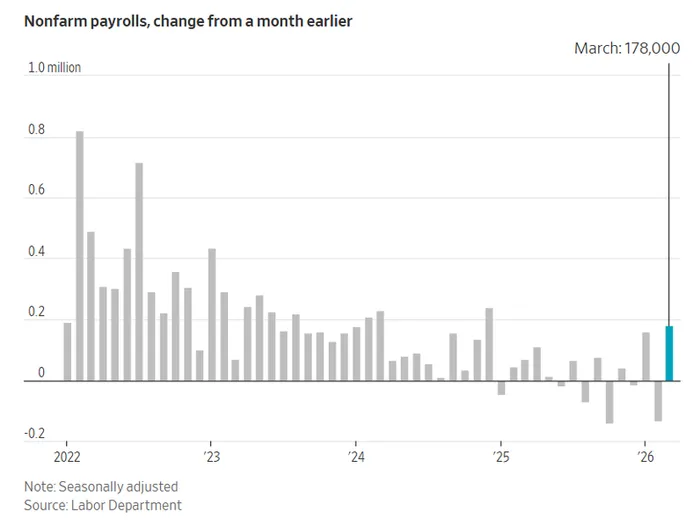
U.S. nonfarm payrolls increased by 178,000 in March, far exceeding expectations of a 60,000 gain. Payroll figures for January and February were also revised higher.
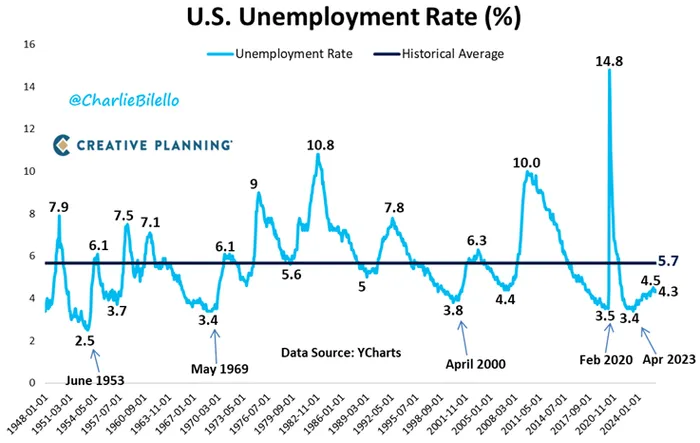
The unemployment rate fell to 4.3% in February, beating market expectations of 4.4%.
Following the release, the U.S. dollar index surged past the 100 level, while U.S. equities and gold were closed. Traders reduced their bets on Federal Reserve rate cuts in 2026.
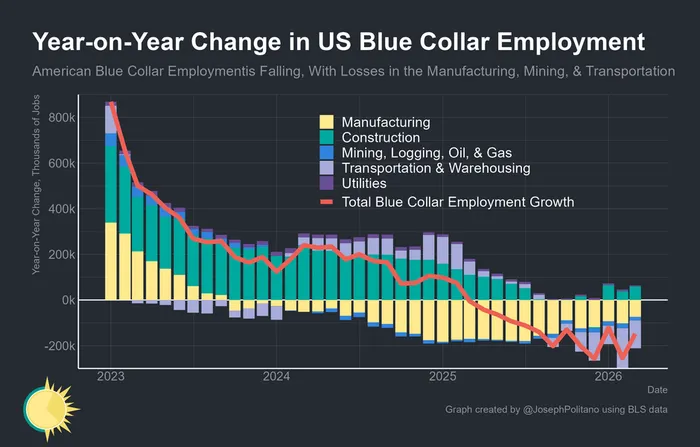
Breaking down the data, the healthcare sector added 76,000 jobs in March, remaining the largest contributor among all industries. The return of workers following the end of the Kaiser Permanente strike boosted employment, with physicians alone accounting for 35,000 new jobs.
Construction and transportation—both closely tied to economic activity—each added more than 20,000 jobs, highlighting the resilience of the U.S. economy.
DOGE-related cuts continue to weigh on government employment, with the federal government shedding 18,000 jobs in March.
The financial sector lost 15,000 jobs during the month.
Other sectors saw limited changes, and notably, the IT sector did not experience the wave of AI-driven job displacement that some market participants had feared.
Analysts’ View: Strong Labor Market May Reinforce Fed’s Focus on Inflation
Bloomberg economists noted that this strong payroll report, combined with rapidly rising energy prices, may reinforce the Federal Reserve’s focus on inflation risks.
According to a Wall Street Journal survey of economists, there is disagreement over how many jobs need to be created each month to maintain labor market equilibrium (the “break-even point”). Some believe tens of thousands of new jobs are required to prevent the unemployment rate from rising, while others argue the labor market is already near equilibrium.
However, there is broad consensus that stricter immigration enforcement under Trump has significantly reduced labor supply, lowering the number of jobs needed to keep unemployment stable. Current job gains—well above 100,000—clearly exceed this threshold.
Strong Data Now, But Medium-Term Risks Remain
Despite the strong March payrolls report, the U.S. labor market cannot yet be considered entirely stable.
A study by the Kansas City Fed found that industries with higher exposure to imported goods posted weaker hiring in 2025. Meanwhile, a Boston Fed survey of small businesses showed that tariff-related uncertainty has increased hesitation around hiring.
In addition, much like tariffs, companies may struggle to pass on higher oil costs to consumers. With gasoline prices rising sharply, consumer resistance to price increases is growing, making it difficult for businesses to fully transfer costs.
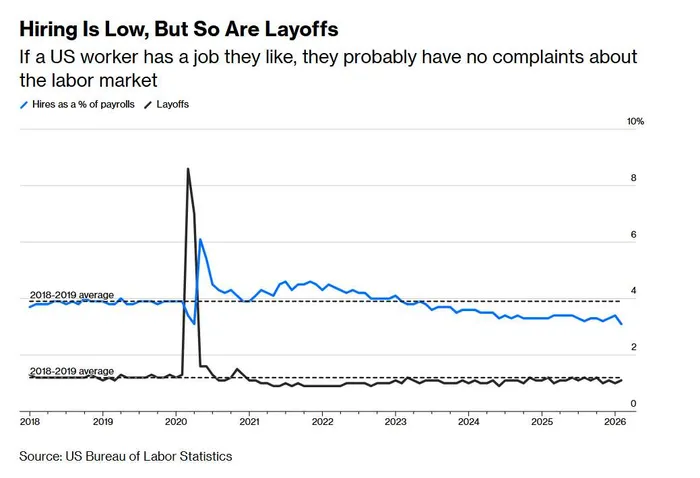
If firms instead cut jobs to manage rising costs—especially as AI replaces certain roles—it could disrupt the delicate balance in the labor market. Given that hiring rates are already low (with companies neither hiring nor firing aggressively), any increase in layoffs could quickly push the unemployment rate higher.
Heather Long, Chief Economist at Navy Federal, noted that wage growth slowed to 3.5% in March, the lowest since May 2021. With oil prices surging, inflation could rebound to 4% or higher, potentially eroding real purchasing power.
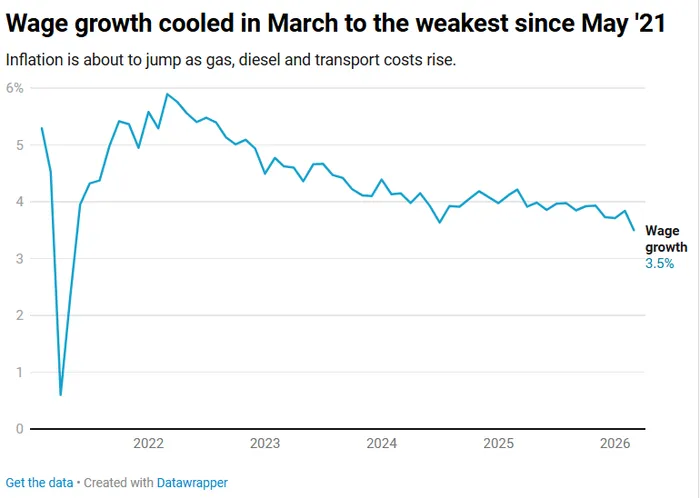
If rising oil prices feed into categories such as airfare and food, workers may delay retirement or increase working hours to maintain living standards in the absence of meaningful wage gains.
If labor demand weakens while supply increases, this dynamic could further push the unemployment rate higher.

Senior Research Analyst at Ainvest, formerly with Tiger Brokers for two years. Over 10 years of U.S. stock trading experience and 8 years in Futures and Forex. Graduate of University of South Wales.
Latest Articles
Stay ahead of the market.
Get curated U.S. market news, insights and key dates delivered to your inbox.


AInvest
PRO
AInvest
PRO



Comments
No comments yet