
March 2026 Calendar: Key Dates and Events for Investors and Travelers
 Aime Summary
The March 2026 calendar includes a lunar eclipse on Holi and school calendar adjustments in Maryland. The lunar eclipse will impact religious rituals and may affect travel and event scheduling. Montgomery County added instructional days due to weather closures, shifting some holidays to non-instructional periods.
For investors and planners, the March 2026 calendar is shaping up to be an eventful one, combining astronomical phenomena with regional calendar adjustments. From the visibility of a lunar eclipse on Holi to changes in school calendars in Montgomery County, there are several factors that could influence consumer behavior, travel plans, and event logistics. These changes are not just of academic interest—they could ripple into markets tied to tourism, retail, and public services.
What Key Events Are Happening on the March 2026 Calendar?
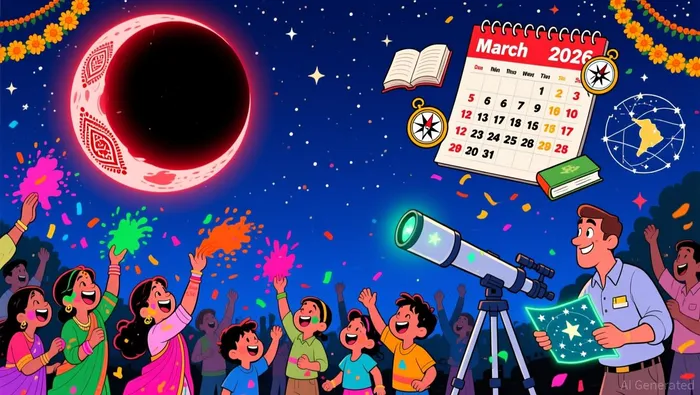
March 2026 is expected to be a month of cultural and educational significance, particularly in regions like India and Maryland. The lunar eclipse coinciding with Holi is not only an astronomical event but also has religious and cultural implications. In India, the eclipse will trigger ritual adjustments, such as the shifting of to avoid the eclipse shadow. This means that businesses operating in event services, travel, or retail may need to prepare for potential disruptions or shifts in consumer activity.
Similarly, in the U.S., . This has implications for local economies, as schools and parents adjust to a later end of the academic year. Investors tracking education or local business sectors may want to monitor how these adjustments affect enrollment, logistics, and public spending.
How Does the March 2026 Calendar Affect Religious and Cultural Planning?
The lunar eclipse on Holi in 2026 is a rare event, as it marks the third consecutive year of an astronomical alignment. In India, this has led to adjustments in religious rituals, such as Holika Dahan, to avoid "—a period considered inauspicious during an eclipse. While past eclipses in 2024 and 2025 had minimal impact due to lack of visibility, 2026's eclipse is expected to be more disruptive.
This kind of event underscores the intersection of astronomy and culture. Investors and planners in the travel or event sectors may want to consider how such events could affect foot traffic, hotel bookings, or transportation demand. For example, if large numbers of people gather for religious observances at specific times, there could be a surge in demand for certain services—just as there is during major festivals like Diwali or Eid.
What Other Calendar Adjustments Should Investors Monitor?
Beyond religious and cultural events, calendar changes also play a role in public services and education. In Montgomery County, the shift in the school calendar—adding instructional days and adjusting holidays—could affect everything from local business rhythms to public transportation schedules. The last day of school , 2026, , 22, , .
These kinds of changes are not limited to the U.S. Similar calendar adjustments can occur in other regions due to weather, political events, or public health measures. Investors in real estate, retail, or local government contracts should keep an eye on how such adjustments ripple into the broader economy.
What's the Takeaway for Investors and Planners in 2026?
The March 2026 calendar is a mix of rare celestial events and practical calendar adjustments that could have real-world impacts. For investors, the key is to stay informed about how these events might affect consumer behavior, travel patterns, and public schedules. For example, the visibility of the lunar eclipse on Holi may influence event planning or retail sales of festival-related goods. Similarly, the shifting of holidays and instructional days in Montgomery County could impact local businesses that rely on student or staff activity.
By tracking these calendar-driven changes, investors can better anticipate shifts in demand, plan for potential disruptions, and make informed decisions about where to allocate resources. Whether you're in education, tourism, or retail, the March 2026 calendar offers both challenges and opportunities worth watching.
What to Watch Next in the 2026 Calendar Space
Investors and planners should continue to monitor how religious, educational, and governmental calendars evolve in 2026. In India, the impact of the lunar eclipse on Holi could influence travel bookings and local economic activity. In the U.S., the ongoing debate around school calendars—particularly in states like Maryland—could lead to policy changes that affect how schools and districts manage instructional time.
Stay tuned for further updates on how these calendar-driven events could impact markets, consumer behavior, and public policy in the coming months.

Stay ahead of the market.
Get curated U.S. market news, insights and key dates delivered to your inbox.


AInvest
PRO
AInvest
PRO



Comments
No comments yet