
Mar-a-Lago Agreement Anticipation Drives Dollar's 15% Decline
Despite the uncertainty surrounding the "Mar-a-Lago Agreement," market participants have already begun to position themselves in anticipation of potential outcomes. This strategic maneuvering is expected to drive the U.S. dollar's continued weakening, as historical precedents suggest that significant policy agreements often lead to market adjustments even before their formalization.
Analysts point out that the mere possibility of reaching a deal can influence market sentiment and behavior. This is particularly relevant given the current geopolitical landscape and the economic implications of any potential agreement. The anticipation of the "Mar-a-Lago Agreement" has led to a shift in market dynamics, with investors and traders adjusting their strategies to account for potential changes in policy. This proactive approach is not uncommon, as markets often react to the prospect of significant events or agreements, even in the absence of concrete details.
The market's forward-looking nature is a testament to its ability to adapt to changing circumstances. By positioning themselves ahead of potential policy shifts, market participants can mitigate risks and capitalize on opportunities. This strategic foresight is crucial in an environment where policy changes can have far-reaching economic consequences.
Historical examples, such as the "Plaza Accord," illustrate how markets can preemptively react to anticipated policy changes. Prior to the signing of the "Plaza Accord" in 1985, the U.S. dollar began to depreciate significantly, with the dollar index falling by approximately 15% over a seven-month period. This trend continued post-agreement, with the dollar index dropping by an additional 24% within the following 12 months. Central banks, including the German central bank, were active in selling dollars during this period, further contributing to the currency's decline.
Several factors contribute to the expectation of dollar depreciation. Foreign investors' concerns about the potential impact of a weaker dollar on their overseas investments may lead to increased hedging activities or the sale of U.S. assets. Additionally, doubts about the U.S. economic cycle, particularly market sensitivity to hard data such as non-farm payrolls, could exacerbate downside risks for the dollar and U.S. stock markets. Changes in market sentiment may also drive capital outflows, as foreign investors seek safer investment avenues, especially in the context of asset reallocation themes.
In summary, the market's proactive stance in anticipation of the "Mar-a-Lago Agreement" reflects its ability to adapt to potential policy changes. This forward-looking approach is expected to drive the U.S. dollar's continued weakening, as historical precedents suggest that significant policy agreements often lead to market adjustments even before their formalization. 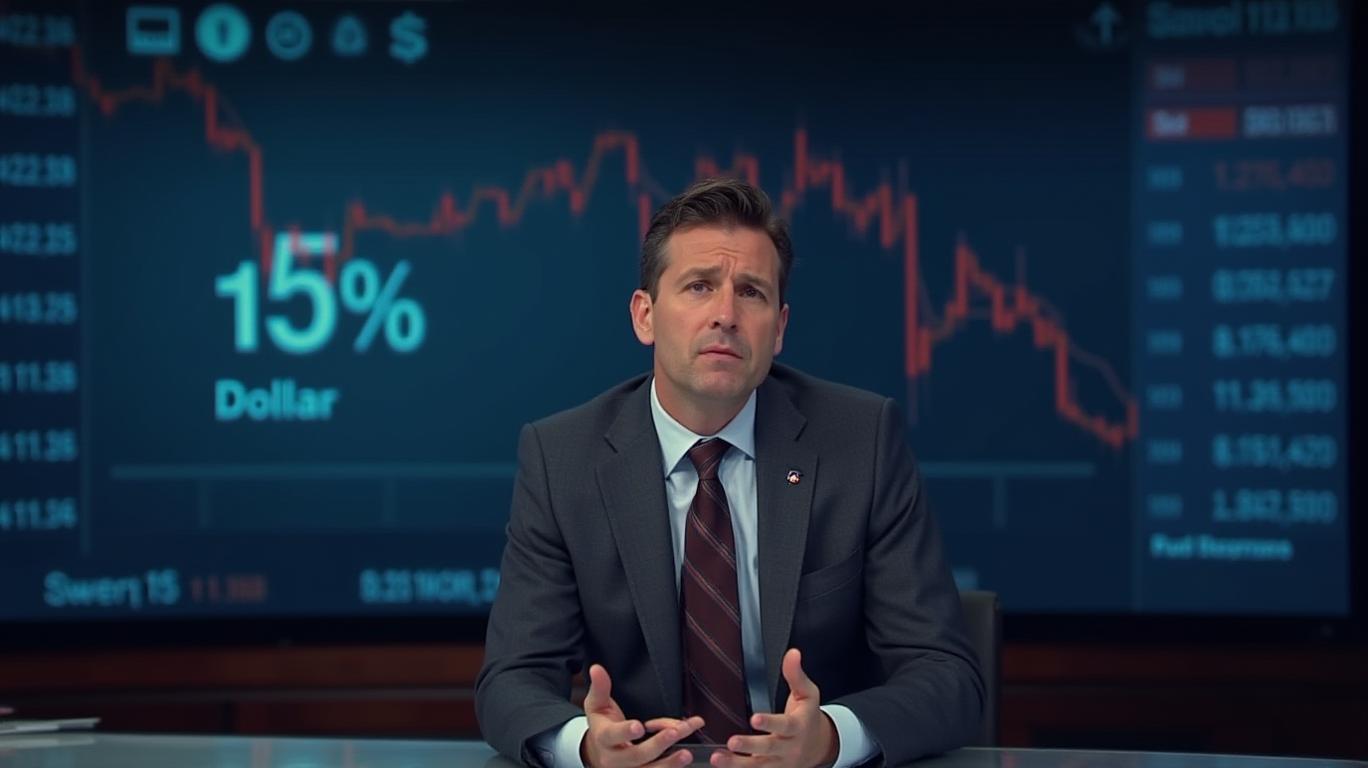

Stay ahead of the market.
Get curated U.S. market news, insights and key dates delivered to your inbox.


AInvest
PRO
AInvest
PRO



Comments
No comments yet