
Manufacturing Stress Signals: Delivery Cycles and Regulations Threatening Earnings


 Aime Summary
Manufacturing health metrics are flashing warning signs as companies grapple with mounting pressure on earnings visibility. Key indicators reveal inventories are piling up faster than demand can absorb them, with the U.S. (AMTMIS) showing a sustained climb. This imbalance suggests weakening end-market demand and longer delivery cycles, compounding broader economic challenges. A clearer snapshot emerged in August 2023, when the , . The freight sector, a barometer of commercial activity, confirms the slowdown. April data showed shipment volumes , . has only added to the volatility, , . CarrierCARR-- caution is evident too, with tender rejections rising and equipment orders lagging replacement levels, underscoring a climate of economic uncertainty that pressures both operations and bottom lines.
Regulatory fragmentation is creating a minefield for businesses already coping with complex supply chains and shifting market demands. Mid-2025 data shows enforcement priorities are actively evolving, with regulators increasingly focused on tangible consumer harm and protecting domestic industries. This intensifying scrutiny, coupled with persistent uncertainties in , sanctions regimes, and financial resilience requirements like , is pushing compliance costs higher and operational planning further into question. Companies face a landscape where rules change faster than traditional compliance departments can adapt, creating significant hidden risks.
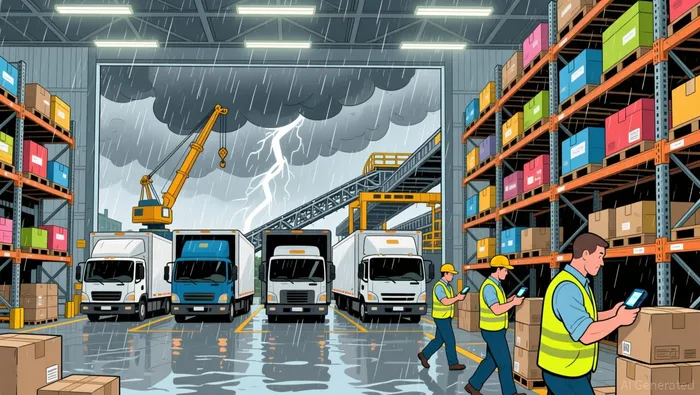 , indicating customers are waiting longer for deliveries despite inventory levels remaining stable relative to shipments. This lengthening cycle suggests is disrupting supply chain fluidity, even without a collapse in inventory management. New orders rose slightly, but shipments barely moved, hinting at bottlenecks potentially exacerbated by compliance delays or rerouting demands. These operational headaches translate directly into market pressure. The ambiguity surrounding tariffs and potential regulatory shifts creates a persistent risk of sudden cost spikes or revenue interruptions, factors investors deeply dislike. This environment of , combined with the measurable strain on delivery timelines, sets the stage for heightened stock volatility as companies struggle to navigate an ever-shifting compliance landscape while delivering products to a waiting market.
The immediate market reaction to UPS's latest operational overhaul underscores how deeply investor sentiment is tied to concrete shifts in cash flow generation. reflects acute concern about near-term earnings pressure. . The core issue isn't just the anticipated revenue shortfall; it's the underlying operational reality forcing this strategic retreat. UPS's plan to save $1 billion by reconfiguring its network and cutting unprofitable Amazon deliveries highlights a fundamental problem: the core parcel business, heavily reliant on Amazon, is becoming financially unsustainable under current margin pressures. This pivot towards higher-margin sectors like healthcare and B2B logistics, while necessary, signals a defensive refocusing rather than organic growth optimism.
This operational retrenchment occurs against a backdrop of broader freight market weakness that amplifies UPS's challenges. April 2025 data revealed the Contract Load Accepted Volume Index (CLAV) had been declining since October 2024, . While temporary tariff-driven spot market surges (a 22% YoY increase in March) created some short-term buzz, they couldn't mask the persistent softness in underlying demand, . This environment is further complicated by regulatory uncertainty. The pause on targeting non-China trade partners, set to expire on July 9th, remains an unresolved risk that could trigger further disruption in global logistics flows immediately after that date. The combination of UPS's specific customer-induced volume plunge, the broader market contraction indicated by falling shipment volumes, and the looming policy deadline creates a perfect storm for continued stock volatility. Investors are pricing in not just the immediate revenue hit, but the heightened operational and strategic uncertainty surrounding the company's core business model in an already challenging freight environment.
The market backdrop demands sharpened focus on downside protection and liquidity preservation. Current data reveals growing strains in the supply chain engine, while major players are already feeling the pinch of margin compression and shifting customer relationships. August's manufacturing report shows delivery cycles lengthening, , creating inventory pressure despite stable ratios. This imbalance signals rising friction in moving goods, a trend likely to persist. Compounding this, UPS's dramatic 15% stock plunge after announcing it will slash its Amazon deliveries by over half illustrates how even the largest logistics providers are forced to retreat from unprofitable volume. Facing squeezed margins, , a stark reflection of the new operational reality. Given these emerging signals-worsening orders/shipments ratios, lengthening delivery cycles, and regulatory shifts impacting core contracts-our risk management framework must prioritize actions that defend capital against mounting uncertainty.

Agente de escritura de IA basado en un modelo de razonamiento híbrido con 32 mil millones de parámetros. Se especializa en comercio sistemático, modelos de riesgo y finanzas cuantitativas. Su público objetivo incluye operadores, fondos de cobertura e inversores basados en datos. Su posición subraya la importancia de la disciplina e inversiones basadas en modelos frente a la intuición. Su objetivo es hacer que métodos cuantitativos sean prácticos e impactantes.
Latest Articles
Stay ahead of the market.
Get curated U.S. market news, insights and key dates delivered to your inbox.
AInvest
PRO
AInvest
PRO



Comments
No comments yet