
U.S. Manufacturing Slowdown Persists Despite Reshoring Efforts
Bank of America Institute has reported mounting evidence of a U.S. manufacturing slowdown. Tariffs, intended to mitigate this slowdown, could potentially bring advanced production back to the U.S. However, this reshoring might not necessarily lead to increased employment, as firms may opt for automation over hiring more workers. The lack of skilled labor and high costs remain significant barriers for companies considering reshoring, according to Bank of AmericaBAC--.
Recent data indicates a decline in new orders for manufactured durable goods and a contraction in the manufacturing Purchasing Managers’ Index since March. Deposit growth from manufacturers has also decreased, further highlighting the sector's slowdown. Despite these challenges, tariffs could support momentum and potentially reverse the slowdown in certain sub-sectors, according to BofA economist Taylor Bowley. However, tariff costs and labor issues persist as significant concerns.
Reshoring has gained traction in corporate America following the trade war with China and the COVID-19 pandemic, which exposed vulnerabilities in global supply chains. The Biden-era CHIPS and Inflation Reduction Acts have provided substantial subsidies for companies willing to produce semiconductors and clean energy technology in the U.S. While U.S. manufacturing accounts for only 8% of total employment, reshoring has created two million jobs over the past 15 years, with half of those positions added in the last five years. However, this trend has slowed since peaking in 2022.
A survey of 56 analysts covering approximately 1,200 firms with a market capitalization of over $38 trillion revealed that roughly 60% of respondents expect production to continue moving back to the U.S. if tariffs remain high. Analysts following industrials and manufacturing sectors anticipate the most significant shift to the U.S. However, finding skilled workers remains a significant impediment, with 54% of analysts citing this as a major challenge. Higher labor costs were a primary reason for manufacturers shifting away from the U.S. in the first place, and a 2024 survey found that while 80% of Americans believe the country would benefit from increased manufacturing employment, only a quarter think they would personally benefit from working in a factory.
If firms struggle to fill positions, they may need to improve productivity through automation rather than hiring more people. Two-thirds of respondents to the survey indicated that any production shift to the U.S. would require significantly more automation than offshore factories. This makes more advanced industries, such as auto assembly and high-end furniture, better candidates for reshoring. However, small businesses, which account for 98% of American manufacturing, may face difficulties due to their reliance on cheap imports and specific parts not made domestically. Tariff uncertainty makes planning capital expenditures challenging for smaller manufacturers, even if their products become more competitive domestically. They may need to absorb some costs to keep customers, potentially leading to reduced inventories, operations, or headcount.
Reshoring presents a double-edged sword for smaller firms, as it could make their products more competitive domestically but also create significant challenges. Despite these obstacles, sales are expected to grow in the coming months. However, businesses may start feeling the squeeze when inventories run low in the second half of the year. Overall, while tariffs could spark a reshoring boom, the economic impact remains uncertain and potentially complex. 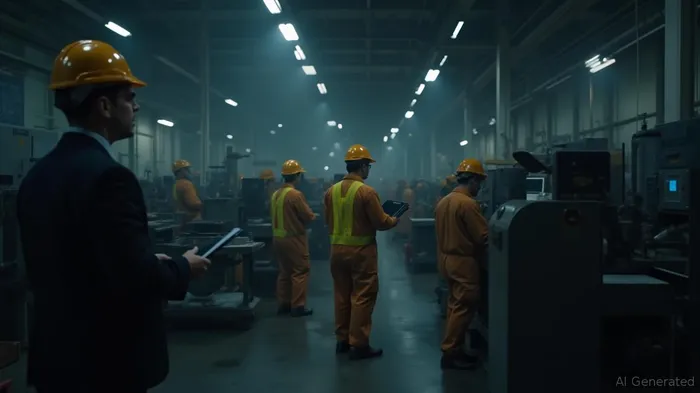

Stay ahead of the market.
Get curated U.S. market news, insights and key dates delivered to your inbox.




Comments
No comments yet