
MANTRA [Old] Shows Gradual Progress in Manufacturing and HR Adaptation
 Aime Summary
Manufacturing in 2026 is characterized by gradual adoption of AI and automation, with a focus on pragmatic integration rather than sweeping disruption according to Lumafield. The HR People Pod discusses the evolving role of HR professionals in crisis management and organizational leadership, emphasizing empathy, adaptability, and strategic communication as reported by CIPD. SEBI has issued an interim enforcement order against Jane Street entities in India for alleged index-derivatives manipulation, highlighting broader questions about market accountability according to LinkedIn.
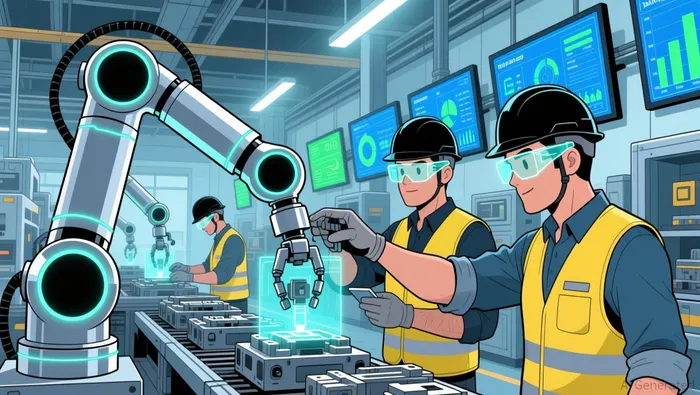
Manufacturing has entered 2026 with a more realistic approach to technological adoption. Instead of sweeping changes, the industry is seeing gradual improvements in areas such as inspection and documentation. While AI and automation are making progress, full factory control remains a distant goal.
In parallel, the role of HR professionals is evolving in response to global challenges. The pandemic reshaped expectations for HR to balance employee welfare with business performance, emphasizing the need for flexible leadership and strong organizational culture.
Regulatory actions are also shaping market dynamics. SEBI's enforcement against Jane Street has raised questions about accountability in complex financial systems. The case is ongoing and could set a precedent for future enforcement.
How is AI impacting manufacturing in 2026?
AI is proving to be a valuable tool in specific areas of manufacturing such as inspection, quoting, and documentation. However, it remains bounded by physical processes and has not yet replaced human labor or factory control according to Lumafield. Instead, AI is beginning to replace outdated software in manufacturing, enabling companies to build systems tailored to their needs.
The integration of AI into manufacturing is a gradual process. Companies are using AI to handle easier tasks and improve efficiency, but the transformation is not yet complete. AI's value lies in its partnership with human expertise, not its ability to replace it.
What are the challenges facing HR in crisis management?
HR professionals are increasingly expected to balance employee welfare with business performance. The pandemic highlighted the need for flexible and agile leadership, as well as strong organizational culture in times of crisis according to CIPD. HR must maintain transparency and clarity with employees while managing uncertainty.
The rise of AI in HR is also a growing trend. While AI can support decision-making and mentorship, it cannot replace the human element entirely. HR remains a strategic function within organizations, and its value has been more widely recognized in recent years.
What does SEBI's action against Jane Street indicate about market accountability?
SEBI's interim enforcement order against Jane Street in India has raised broader questions about market accountability and enforcement practices according to LinkedIn. The allegations of index-derivatives manipulation highlight the complexities of financial systems and the need for effective regulation.
The case is ongoing, with Jane Street disputing the allegations. A separate lawsuit has also been filed against Jane Street in Manhattan federal court related to digital-asset trading. These developments underscore the importance of defining real deterrence in cases where alleged abuse is embedded in market structure rather than obvious fraud.
The enforcement approach is notable for its focus on mechanisms and cross-market impact. This case may serve as a precedent for future regulatory actions, particularly in complex financial systems where accountability is a critical concern.

Blending traditional trading wisdom with cutting-edge cryptocurrency insights.
Latest Articles
Stay ahead of the market.
Get curated U.S. market news, insights and key dates delivered to your inbox.


AInvest
PRO
AInvest
PRO



Comments
No comments yet