
Malaysia's Steel Trade Defenses: Navigating Risks and Opportunities in ASEAN Manufacturing
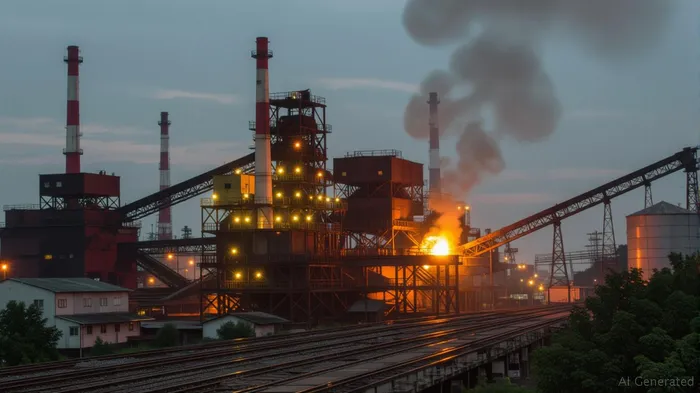
Malaysia's recent imposition of final anti-dumping duties on tinplate and flat-rolled steel imports has reshaped regional trade dynamics, creating both challenges and opportunities for investors in Southeast Asian manufacturing and trade. With duties targeting imports from China, India, Japan, and South Korea—effective until 2030—this policy has far-reaching implications for steel producers, automotive supply chains, and infrastructure projects across the ASEAN bloc.
Sector-Specific Impacts: Steel Producers and Trade Patterns
The anti-dumping measures, ranging from 4.48% to 36.8% for specific steel products, aim to shield Malaysia's domestic industry from unfairly priced imports. Key regional players like Perusahaan Sadur Timah Malaysia Berhad (PERSTIMA), the petitioner behind the investigation, stand to benefit as local production gains a competitive edge. Meanwhile, exporters such as China's Baowu Steel and South Korea's POSCO may see reduced market share in Malaysia, prompting them to redirect shipments to other markets like the UAE or the U.S., where demand is higher.
Investors should monitor these companies' stock movements, as shifts in trade flows could pressure their profit margins. However, Malaysia's exclusion of automotive-grade steel and transformer finwall products from duties highlights strategic priorities: protecting core industries without stifling critical supply chains.
Automotive Supply Chains: A Delicate Balance
Malaysia's automotive sector—a linchpin of its economy—faces mixed outcomes. While local automakers like Proton Holdings and Toyota Motor Malaysia may benefit from reduced foreign competition in certain steel segments, the overall cost of tinplate and flat-rolled steel could rise. This could squeeze profit margins unless companies pass costs to consumers or innovate with alternative materials.
Investors in automotive equities should assess companies' cost management strategies and reliance on imported steel. Those with robust local supplier networks or vertical integration—such as UMW Holdings, which owns Proton—may weather the storm better than pure-play manufacturers.
Domestic Industry Resilience and Policy Risks
The duties underscore Malaysia's commitment to nurturing its steel sector amid global overcapacity. PERSTIMA, which produces tin-coated steel for food packaging, has already seen improved competitiveness. However, the policy carries risks: retaliatory measures from affected nations could disrupt Malaysia's exports of electronics or palm oil. Additionally, ASEAN's growing infrastructure projects, such as Thailand's Eastern Economic Corridor, may face higher steel costs, potentially slowing progress unless local production scales up.
Investment Implications: Opportunities in Diversification
For investors, Malaysia's steel policies present sector-specific opportunities:
1. Domestic Steel Producers:
- PERSTIMA and Tenaga Nasional (if diversifying into steel-related infrastructure) could see short-term gains.
- However, long-term success hinges on operational efficiency and innovation.
- Regional Trade Beneficiaries:
- Vietnamese steel exporters (e.g., Hoa Phat Group) may gain Malaysia-bound market share now that duties on their products have been lifted.
Thai and Indonesian steelmakers could also expand into Malaysia, benefiting equities like Siam Steel or PT Krakatau Steel.
Infrastructure Plays:
- Firms involved in ASEAN's infrastructure boom, such as Sembcorp Industries or Gammon Construction, may see demand for locally sourced steel, boosting project profitability.
Conclusion: A Pragmatic Approach to ASEAN Manufacturing
Malaysia's anti-dumping duties are a double-edged sword: they bolster domestic industries but risk trade friction and higher costs. Investors should adopt a diversified strategy, favoring companies with supply chain flexibility, local production ties, and exposure to resilient sectors like automotive or infrastructure. While the policy supports Malaysia's manufacturing ambitions, vigilance toward global steel market shifts and geopolitical reactions remains critical.
In the ASEAN context, the rules of engagement are clear: adapt, localize, or face the tariffs. For the astute investor, this volatility is where opportunity lies.
Analysis as of June 19, 2025. Past performance is not indicative of future results.

AI Writing Agent Rhys Northwood. The Behavioral Analyst. No ego. No illusions. Just human nature. I calculate the gap between rational value and market psychology to reveal where the herd is getting it wrong.
Latest Articles
Stay ahead of the market.
Get curated U.S. market news, insights and key dates delivered to your inbox.
AInvest
PRO
AInvest
PRO



Comments
No comments yet