
Malaysia's Nuclear Energy Transition: Location is Key
ByAinvest
Friday, Aug 1, 2025 7:04 pm ET1min read
RDDT--
The government aims to amend its Atomic Energy Act to allow for the ratification of key international treaties under the International Atomic Energy Agency (IAEA). This move is part of Malaysia's broader goal to transition to a low-carbon economy by 2050, with nuclear energy playing a significant role [2].
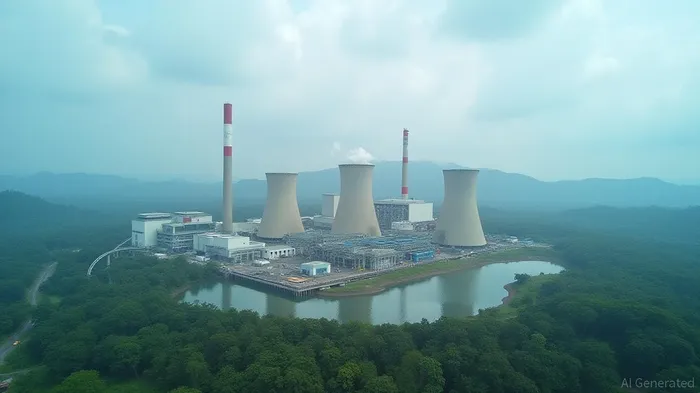
However, a critical factor that remains unaddressed is the location of the nuclear power plants. The government has not yet announced specific locations, which raises concerns about potential risks and challenges associated with nuclear energy. These include environmental impact, safety issues, and public acceptance.
The lack of clarity on the location of nuclear power plants could also have financial implications. Investors may be hesitant to commit to projects without knowing where the plants will be built. Additionally, the government's plans to amend the Atomic Energy Act to allow for the ratification of key international treaties could face political and regulatory hurdles [2].
Malaysia is also exploring nuclear technology for climate and environmental research, as well as in agriculture. The IAEA recognizes nuclear science's contribution to the 13th United Nations Sustainable Development Goal on climate action [2].
Despite the uncertainties surrounding the location of nuclear power plants, Malaysia is making progress in building local expertise in nuclear technology. The country has 323 nuclear researchers and 36 science officers under the Malaysian Nuclear Agency and the Atomic Energy Department [2].
In conclusion, while Malaysia is taking significant steps towards adopting nuclear energy, the location of the nuclear power plants remains a crucial and unaddressed factor. This uncertainty could impact both the financial viability of the projects and the public's acceptance of nuclear energy.
References:
[1] https://www.finews.asia/finance/43737-standard-chartered-bill-winters-net-zero-banking-alliance-nzba
[2] https://www.straitstimes.com/asia/se-asia/malaysia-moving-closer-to-adopting-nuclear-energy-says-minister
[3] https://www.reddit.com/r/malaysia/comments/1mdu4j0/13mp_malaysia_targets_nuclear_power_generation_by/
Malaysia plans to go nuclear to meet its energy transition needs, but the location of the nuclear power plants remains a question. As a finance expert with experience at Bloomberg, I can provide an abstract summary of the article focusing on the principal points. The Malaysian government aims to transition to a low-carbon economy by 2050, and nuclear energy is seen as a key component in achieving this goal. However, the location of the nuclear power plants is a crucial factor that needs to be addressed. The government has not yet announced any specific locations, which raises concerns about the potential risks and challenges associated with nuclear energy.
Malaysia is moving closer to adopting nuclear energy as part of its long-term energy transition strategy, with the government having completed a pre-feasibility study on nuclear power. The Science, Technology and Innovation Minister, Chang Lih Kang, stated that the study's initial findings indicate nuclear energy's potential as a stable, clean, and reliable power source for the country [2].The government aims to amend its Atomic Energy Act to allow for the ratification of key international treaties under the International Atomic Energy Agency (IAEA). This move is part of Malaysia's broader goal to transition to a low-carbon economy by 2050, with nuclear energy playing a significant role [2].
However, a critical factor that remains unaddressed is the location of the nuclear power plants. The government has not yet announced specific locations, which raises concerns about potential risks and challenges associated with nuclear energy. These include environmental impact, safety issues, and public acceptance.
The lack of clarity on the location of nuclear power plants could also have financial implications. Investors may be hesitant to commit to projects without knowing where the plants will be built. Additionally, the government's plans to amend the Atomic Energy Act to allow for the ratification of key international treaties could face political and regulatory hurdles [2].
Malaysia is also exploring nuclear technology for climate and environmental research, as well as in agriculture. The IAEA recognizes nuclear science's contribution to the 13th United Nations Sustainable Development Goal on climate action [2].
Despite the uncertainties surrounding the location of nuclear power plants, Malaysia is making progress in building local expertise in nuclear technology. The country has 323 nuclear researchers and 36 science officers under the Malaysian Nuclear Agency and the Atomic Energy Department [2].
In conclusion, while Malaysia is taking significant steps towards adopting nuclear energy, the location of the nuclear power plants remains a crucial and unaddressed factor. This uncertainty could impact both the financial viability of the projects and the public's acceptance of nuclear energy.
References:
[1] https://www.finews.asia/finance/43737-standard-chartered-bill-winters-net-zero-banking-alliance-nzba
[2] https://www.straitstimes.com/asia/se-asia/malaysia-moving-closer-to-adopting-nuclear-energy-says-minister
[3] https://www.reddit.com/r/malaysia/comments/1mdu4j0/13mp_malaysia_targets_nuclear_power_generation_by/
Stay ahead of the market.
Get curated U.S. market news, insights and key dates delivered to your inbox.
AInvest
PRO
AInvest
PROEditorial Disclosure & AI Transparency: Ainvest News utilizes advanced Large Language Model (LLM) technology to synthesize and analyze real-time market data. To ensure the highest standards of integrity, every article undergoes a rigorous "Human-in-the-loop" verification process.
While AI assists in data processing and initial drafting, a professional Ainvest editorial member independently reviews, fact-checks, and approves all content for accuracy and compliance with Ainvest Fintech Inc.’s editorial standards. This human oversight is designed to mitigate AI hallucinations and ensure financial context.
Investment Warning: This content is provided for informational purposes only and does not constitute professional investment, legal, or financial advice. Markets involve inherent risks. Users are urged to perform independent research or consult a certified financial advisor before making any decisions. Ainvest Fintech Inc. disclaims all liability for actions taken based on this information. Found an error?Report an Issue




Comments
No comments yet