
Malaysia's Grid at Risk: Crypto Theft Exposes Infrastructure and Legal Gaps


 Aime Summary
Malaysia's national utility, Tenaga Nasional Berhad (TNB), has confirmed losses exceeding $1.1 billion due to electricity theft linked to illegal cryptocurrency mining operations over the past five years, according to a parliamentary filing by the Ministry of Energy and Water Transformation. The ministry revealed that 13,827 premises across the country were identified as sites where electricity meters were tampered with or bypassed to power mining rigs, primarily for BitcoinBTC--. The scale of the theft has strained the national grid, raised public safety concerns, and threatened economic stability.
The illicit operations, which often involve direct connections to transformers or manipulated smart meters, have become increasingly sophisticated. Syndicates frequently relocate their setups-hiding them in low-traffic warehouses or shops, or homes to evade detection. 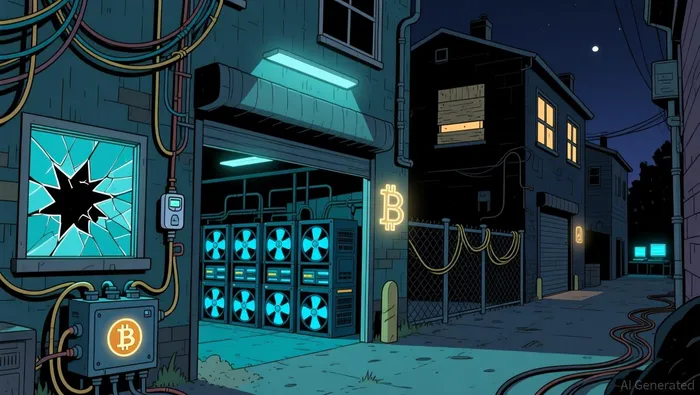 TNB has documented a 300% surge in power theft cases tied to crypto mining between 2018 and 2024, with an average of 2,303 annual incidents during the 2020–2024 period according to reports. Authorities have responded with coordinated raids, seizing mining equipment and disrupting networks. In August 2024, for example, local authorities destroyed 900 Bitcoin mining rigs worth nearly $482,000.
To combat the issue, TNB has implemented advanced monitoring systems, including smart meters and AI-driven analytics, to detect abnormal energy consumption patterns. The utility has also created an internal database tracking suspected property owners and tenants involved in theft, enabling targeted inspections according to data. Meanwhile, the energy ministry has called for stricter regulations specific to crypto mining, as current laws treat the theft as generic electricity fraud, resulting in relatively lenient penalties of up to $2,400 in fines or jail time according to analysis.
The economic implications extend beyond TNB's losses. Analysts warn that the theft undermines the viability of regulated electricity pricing and could destabilize the national grid. The ministry emphasized that the crisis highlights the need for modernized infrastructure and clearer legal frameworks to address the unique challenges posed by energy-intensive crypto operations.

Stay ahead of the market.
Get curated U.S. market news, insights and key dates delivered to your inbox.


AInvest
PRO
AInvest
PRO



Comments
No comments yet