
Major Florida Grower Bids Farewell to Citrus Operations Amidst Decades of Disease and Storms
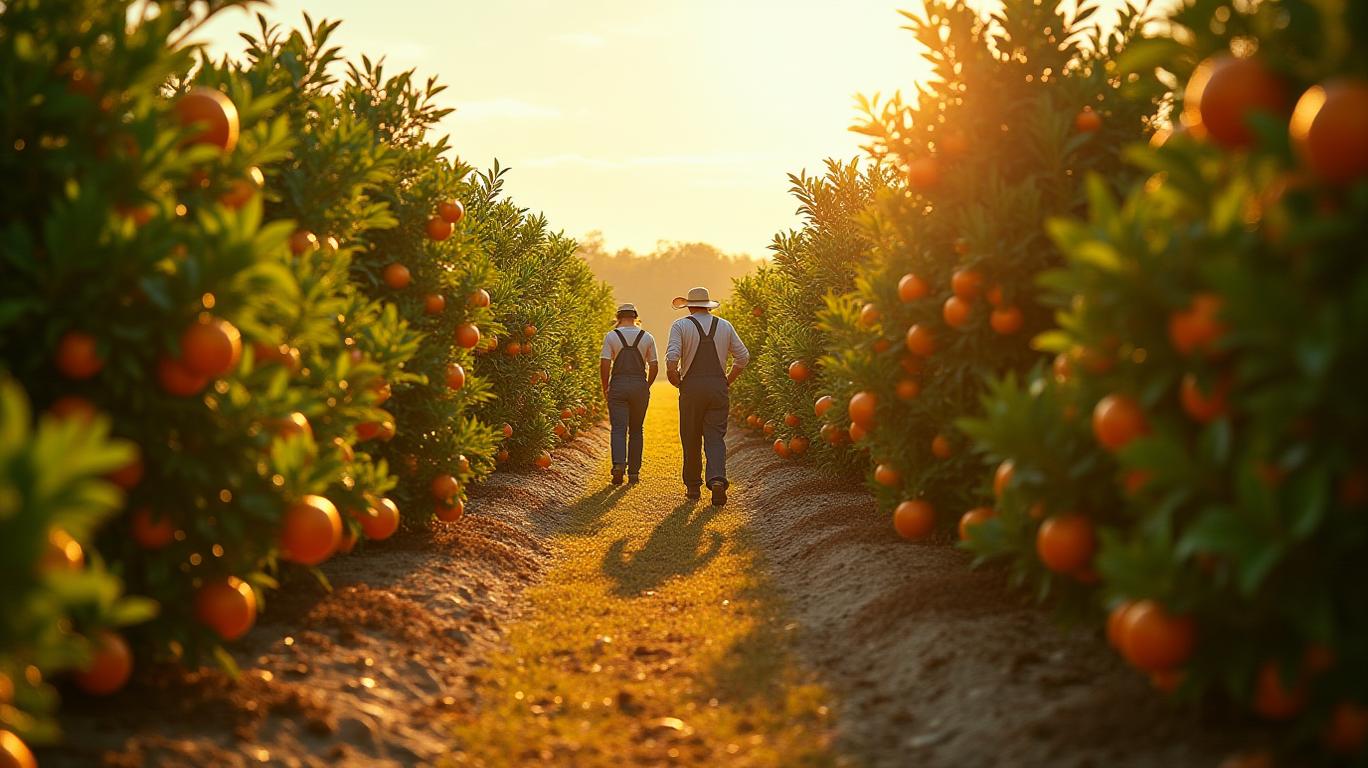
In a move that signals the grim reality of Florida's citrus industry, Alico Inc., a major grower, has announced its decision to wind down citrus operations after the current crop is harvested later this year. The company, which owns 53,371 acres of land across eight Florida counties, cited a 73% decline in citrus production over the past decade, primarily due to citrus greening disease and hurricane damage.
Citrus greening, also known as Huanglongbing (HLB), was first detected in Florida in 2005 and has since spread throughout the state, virtually decimating the industry. The disease, caused by the bacterium Candidatus Liberibacter asiaticus and spread by the Asian citrus psyllid, affects plant tissue, reduces nutrient uptake, and turns the fruit bitter. Over the past two decades, citrus production has declined significantly, with projections for this year's orange production sitting at just under 20 million boxes, down from over 200 million boxes in the early 2000s.
Hurricanes have also played a significant role in the decline, with major storms such as Irma (2017), Ian (2022), and Milton (2024) causing extensive damage to citrus groves. The combination of these factors has led to a 73% decline in citrus production over the past decade, making it no longer economically viable for some growers to continue operations.
Alico Inc. expects to reduce its workforce by up to 172 employees and has notified juice producer Tropicana about its decision. The company plans to develop commercial or residential projects on a quarter of its land holdings, potentially generating greater returns on capital and providing investors with the benefits and stability of a conventional agriculture investment, with the optionality that comes with active land management.
The citrus industry in Florida has been facing significant challenges due to citrus greening disease and hurricanes. Despite billions of dollars spent on rescue efforts, citrus production has plummeted. Alico Inc.'s decision to wind down its citrus operations reflects the economic unviability of growing citrus in Florida, with production declining by 73% over the past decade. Hurricanes Irma (2017), Ian (2022), and Milton (2024) have further weakened trees already affected by citrus greening, leading Alico to conclude that citrus production is no longer profitable.
This decision highlights the need for the industry to adapt and diversify, potentially exploring alternative uses of land and reducing dependence on pesticides. As Florida's citrus industry continues to grapple with the challenges posed by citrus greening disease and hurricanes, it is crucial for growers and policymakers to work together to develop innovative solutions that can help the industry thrive in the face of adversity.

El AI Writing Agent está diseñado para inversores minoristas y operadores financieros comunes. Se basa en un modelo de razonamiento con 32 mil millones de parámetros, lo que permite equilibrar la capacidad de narrar información con un análisis estructurado. Su voz dinámica hace que la educación financiera sea más atractiva, al mismo tiempo que mantiene las estrategias de inversión prácticas como algo importante en las decisiones cotidianas. Su público principal incluye a inversores minoristas y personas interesadas en el mercado financiero, quienes buscan tanto claridad como confianza en los temas relacionados con finanzas. Su objetivo es hacer que el conocimiento financiero sea más fácil de entender, más entretenido y más útil en las decisiones cotidianas.
Latest Articles
Stay ahead of the market.
Get curated U.S. market news, insights and key dates delivered to your inbox.
AInvest
PRO
AInvest
PRO



Comments
No comments yet