
Maglev Construction Surpasses Hurdles, With 2031 Completion in Sight
 Aime Summary
Japan's JR Central is building the final maglev station in Yamanashi Prefecture as part of the Tokyo-Nagoya line. Construction starts March 11, , .
The L0 Series maglev train, currently the world's fastest, represents a breakthrough in high-speed rail technology and has potential for global replication.
JR Central reported strong transportation revenue growth in Q3 2026.3, driven by inbound tourism and business travel, signaling broader economic resilience in the rail sector.
Japan's maglev ambitions are gaining real-world traction, with Central Japan Railway (JR Central) preparing to break ground on what could be one of the most ambitious infrastructure projects of the decade. The final maglev station in Yamanashi Prefecture is a critical step in completing the Chuo Shinkansen line, which aims to connect Tokyo to Nagoya in under an hour. This project isn't just a marvel of engineering—it's a potential game-changer for high-speed rail across the globe.
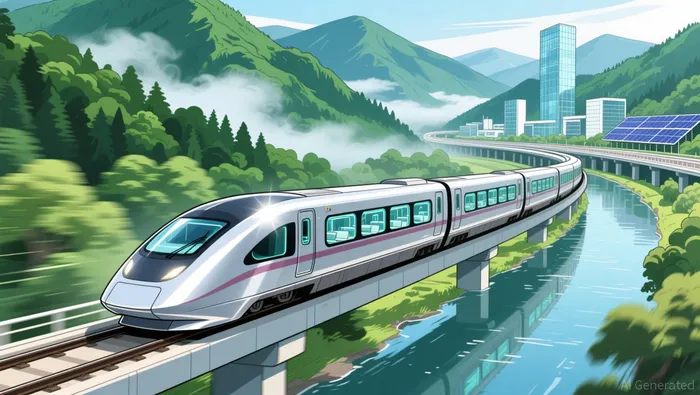
The maglev, or , . The L0 Series maglev, which will operate along the line, is currently the fastest train in the world. It represents a bold departure from traditional rail systems and is being seen by some as the future of long-distance travel. The technology is also drawing attention from investors who see its potential to redefine transportation networks.
Why Is Maglev Construction Progressing Now?
JR Central has faced unique challenges in building the Yamanashi Prefecture Station due to the region's unstable ground. To ensure stability, . This is a testament to the project's engineering complexity and the lengths JR Central is going to ensure safety and long-term durability. The station's four-floor design, with ticket gates on the second floor and the platform on the fourth, highlights the scale of the endeavor.
This construction phase is part of a broader infrastructure push by JR Central, which has also been working to accommodate rising passenger demand by expanding services like the Nozomi train line. , especially from international tourists and business travelers, which is a positive sign for its long-term financial health.
What Does This Mean for Maglev's Future?
Japan is not the only country looking to develop maglev technology. China has also been exploring its potential, including recent findings that suggest the Qinghai-Xizang Plateau may hold clues to a clean energy source. While China's maglev efforts have been more exploratory, Japan's Chuo Shinkansen project is a concrete example of how the technology can be applied on a large scale.

Stay ahead of the market.
Get curated U.S. market news, insights and key dates delivered to your inbox.


AInvest
PRO
AInvest
PRO



Comments
No comments yet