
Madrid Rail Safety Concerns: What Investors Should Know
 Aime Summary
A fracture in the rail caused the initial derailment of the Iryo train near Madrid. - Voltage drops in the Madrid-Seville line were flagged 22 hours before a major accident. - Renfe has introduced real-time train tracking to improve transparency and passenger confidence. - Disruptions in high-speed rail services are raising concerns about long-term trust in the tourism sector. - Technical investigations are ongoing to determine the root cause of the Adamuz crash and improve future safety standards.
Last month’s tragic Adamuz train derailment has spotlighted the fragility of Spain’s rail infrastructure—and with Madrid at the center of the nation’s high-speed network, investors can’t afford to ignore the ripple effects. This isn’t just a transportation issue; it’s a growing risk for tourism-dependent regions and the companies that rely on seamless rail operations.
What Caused the Madrid-Linked Train Crash?
The Iryo train derailment on January 17, 2026, near Adamuz, revealed that a fractured rail was the primary cause of the incident. The JRU, or black box, confirmed that the problem stemmed from physical infrastructure failure rather than human error or operational misjudgment. Further technical data indicated a voltage drop in the Madrid-Seville line 22 hours before the crash, raising concerns about rail damage or faulty welded joints. These findings are now being analyzed by the , which is determining whether the rail or its joints failed due to insufficient maintenance or installation issues.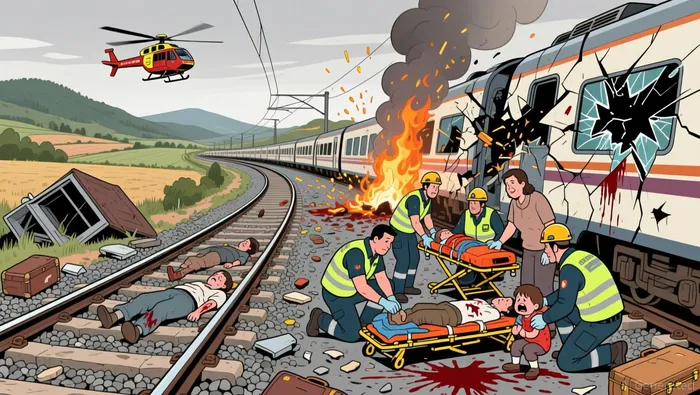
For investors, this points to a critical risk: aging infrastructure in high-speed rail systems. , public trust in rail travel is under pressure, and the long-term implications could extend beyond safety to economic stability in regions like Málaga, which is already reporting "incalculable" tourism-related losses due to service disruptions.
How Is Madrid Addressing Rail Transparency and Safety?
Spain’s national rail operator, , has responded with a suite of transparency-focused measures. It recently launched a real-time train tracking system that allows passengers to monitor the position and schedule of high-speed, medium-distance, and commuter trains. This tool, accessible via tiempo-real.largorecorrido.renfe.com, includes live maps with color-coded stops and estimated arrival times, and it even integrates Cercanías and Rodalies lines in Madrid and Barcelona. The initiative follows a new bus replacement company launched this month and the publication of punctuality stats and incident reports.
Renfe’s proactive steps may help restore confidence in rail travel, but they also raise questions for investors. Can real-time data and improved communication be enough to address deep-rooted infrastructure issues? And what does this mean for the company’s maintenance budget and capital allocation priorities going forward? These are the kinds of considerations that investors tracking the rail sector—especially those with exposure to Spanish utilities, infrastructure contractors, or regional tourism—need to keep in mind.
Why Madrid’s Rail System Is a Crucial Investment Indicator
Madrid is more than just the capital of Spain—it’s a critical hub in a rail network that connects major cities and supports a booming tourism industry. The disruption of high-speed services between Madrid and cities like Málaga and Seville has already caused financial setbacks and reputational damage to the tourism sector. If similar issues recur, the impact could be far-reaching, affecting everything from hotel bookings to airline routes that rely on seamless rail access.
Investors in the region should also be aware of the legal and regulatory landscape. The court in Montoro is currently deciding which laboratory will analyze the confiscated rail and welding fragments from the Adamuz crash. The speed and quality of this investigation could affect future safety standards and maintenance protocols. This, in turn, could lead to changes in how rail operators like Renfe allocate capital for inspections and upgrades.
The broader concern is whether the recent incidents signal a systemic issue in the high-speed rail industry. Similar problems have been observed in other countries—like minor signaling issues in Hong Kong’s Tsuen Wan Line—where early-stage problems were addressed before they escalated . But Madrid’s case is more severe. , the stakes are high.
What to Watch Next
Investors should keep an eye on three key areas in the coming months:
- Investigative findings: The results from the Rail Accident Investigation Commission will shape long-term safety regulations and maintenance strategies.
- Renfe’s capital expenditures: Will the company increase spending on rail inspections and infrastructure upgrades, or will it rely on short-term fixes like real-time tracking and improved communication?
- Tourism recovery: As rail services resume, will the Málaga and Seville regions see a rebound in bookings, or will the reputational damage persist?
For now, the Madrid rail system is at a crossroads. The recent derailment and voltage anomalies are more than isolated events—they’re symptoms of a larger challenge in maintaining high-speed rail safety. And for investors, that means staying alert to how both public and private entities respond to these growing risks.

Manténgase al tanto de las noticias de Wall Street en tiempo real.
Latest Articles
Stay ahead of the market.
Get curated U.S. market news, insights and key dates delivered to your inbox.


AInvest
PRO
AInvest
PRO



Comments
No comments yet