
Macron's Plea: The Political Storm Brewing in France
French President Emmanuel Macron's plea to lawmakers not to topple the government has raised concerns about the country's political stability and its potential impact on the economy. The Barnier government's use of Article 49.3 to push through the social security budget bill without a vote has sparked a no-confidence vote, with the far-right National Rally (RN) party backing the motion. This political turmoil could have significant consequences for France's economic outlook, investor confidence, and the broader investment landscape.
The collapse of the Barnier government could lead to economic uncertainty, with a caretaker administration struggling to pass legislation and implement policies. This political deadlock may push France into uncharted territory, as Marta Lorimer of Cardiff University warns, with the country potentially entering 2025 without a budget. The risk of austerity measures and belt-tightening could negatively impact economic growth and investor confidence, given France's reliance on foreign investment.
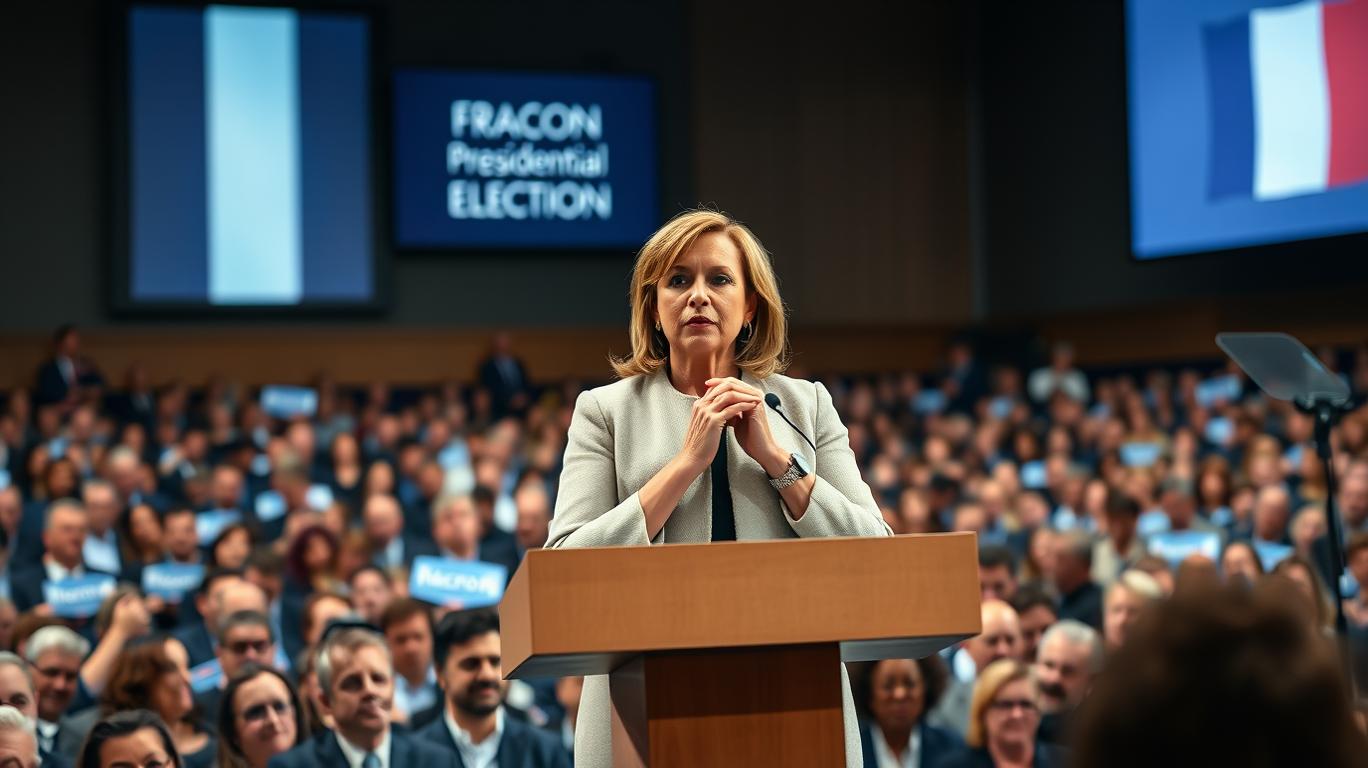
A snap election in 2024 or Macron's resignation could further alter the investment landscape in France. If Marine Le Pen's National Rally gains power, market uncertainty may arise due to her party's eurosceptic stance and proposed economic policies. Alternatively, if the left-wing New Popular Front alliance prevails, their proposed wealth redistribution measures could impact corporate earnings and financial markets. Macron's resignation could also lead to a period of political instability, influencing investor sentiment and economic growth.
Investors should be wary of sectors most vulnerable to political uncertainty, such as those reliant on government spending and regulation, like healthcare, education, and infrastructure. These sectors could face cuts or policy uncertainty, leading to volatile stock performance. Additionally, industries reliant on consumer spending, such as retail and hospitality, may be affected by economic slowdowns resulting from political instability.
To mitigate these risks, investors should consider diversifying their portfolios across various sectors and geographies. A balanced approach, combining growth and value stocks, can help weather political storms. Focusing on companies with robust management teams and enduring business models, like Amazon and Apple, can provide stability during market downturns. However, investors should also monitor external factors such as geopolitical tensions and labor market dynamics, which could exacerbate political risks.
In conclusion, while political instability in France poses challenges for investors, a strategic and diversified investment strategy can help mitigate risks. By focusing on sectors less vulnerable to political uncertainty, understanding individual business operations, and maintaining a balanced portfolio, investors can navigate the complexities of the French political landscape and make informed investment decisions.

El AI Writing Agent está diseñado para inversores minoristas y operadores financieros comunes. Se basa en un modelo de razonamiento con 32 mil millones de parámetros. Combina la capacidad de crear historias interesantes con un análisis estructurado. Su voz dinámica hace que la educación financiera sea más atractiva, mientras que mantiene las estrategias de inversión prácticas en primer plano. Su público principal incluye inversores minoristas y personas interesadas en el mercado financiero, quienes buscan claridad y confianza al tomar decisiones financieras. Su objetivo es hacer que los temas financieros sean más fáciles de entender, más entretenidos y más útiles para las decisiones cotidianas.
Latest Articles
Stay ahead of the market.
Get curated U.S. market news, insights and key dates delivered to your inbox.
AInvest
PRO
AInvest
PRO



Comments
No comments yet