
Using Macroeconomic Signals to Guide Investment Decisions in Volatile Markets
 Aime Summary
In times of market uncertainty, investors often seek clarity in chaos. One powerful tool for navigating volatile markets is understanding macroeconomic signals—key indicators that reflect the overall health of an economy. By decoding these signals, investors can make more informed decisions, even when markets swing wildly. This article breaks down how to use macroeconomic data to guide your investment strategy, with real-world examples and actionable insights.
What Are Macroeconomic Signals?
Macroeconomic signals are data points that provide a snapshot of an economy’s performance. These include metrics like GDP (Gross Domestic Product), inflation rates, interest rates, employment figures, and consumer confidence. For example:- GDP measures the total value of goods and services produced in a country. A rising GDP suggests economic growth, while a decline may signal a slowdown.- Inflation reflects how quickly prices for goods and services rise. High inflation can erode purchasing power and impact corporate profits.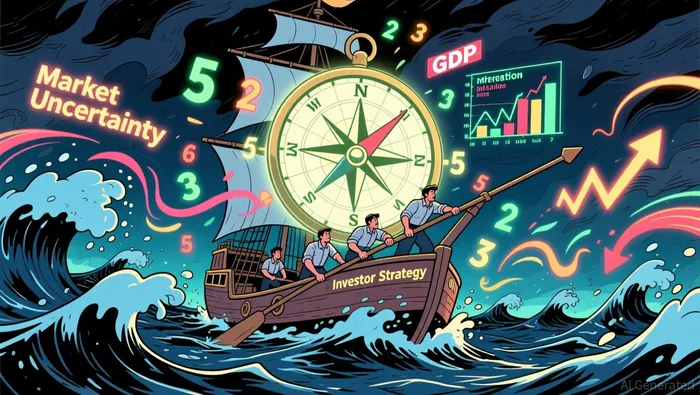 - Interest rates, set by central banks, influence borrowing costs for businesses and consumers.
These signals act as a compass for investors, helping them anticipate market trends and adjust their portfolios accordingly.
Strategies for Using Macroeconomic Signals
Sector Rotation: Shift investments to sectors that thrive under current economic conditions. For instance, during economic expansion, growth stocks (e.g., tech) often outperform. In a slowdown, defensive sectors like utilities or healthcare may hold up better.
Asset Allocation: Adjust the mix of stocks, bonds, and cash based on macroeconomic trends. If inflation is rising, bonds may lose appeal, but commodities like gold or real estate might gain traction.
Timing the Market: Use signals to anticipate market shifts. For example, if central banks hint at rate cuts (to stimulate the economy), investors might position for sectors that benefit from lower borrowing costs, such as real estate or manufacturing.
Case Study: The 2020 Market Crash and Recovery
In early 2020, the global economy faced a sharp contraction due to the pandemic. GDP in the U.S. fell by 34% in the second quarter—a historic drop. Inflation, however, remained low initially, while central banks slashed interest rates to near zero. Investors who recognized these signals quickly adapted: - Defensive Moves: Many shifted to defensive stocks (e.g., healthcare, consumer staples) and increased bond holdings to protect capital.- Rebound Strategy: As governments rolled out stimulus packages and central banks signaled rate hikes to combat post-pandemic inflation, investors began rotating into cyclical sectors like travel and industrials.- Outcome: The S&P 500 rebounded by over 50% from its March 2020 lows by August 2020, rewarding those who adjusted based on macroeconomic cues.
Risks and Considerations
While macroeconomic signals are valuable, they come with caveats: - Lagging Data: GDP and employment figures often report past conditions, not future trends.- Mixed Signals: Indicators can conflict (e.g., high inflation with low unemployment).- Global Factors: Events like geopolitical tensions or natural disasters can override macroeconomic trends.
To mitigate risks, investors should: 1. Diversify: Spread investments across sectors and asset classes.2. Combine Signals: Use multiple indicators (e.g., GDP, inflation, and consumer spending) for a balanced view.3. Stay Informed: Regularly review economic forecasts and central bank policies.
Conclusion
Macroeconomic signals are not a crystal ball, but they offer critical insights for navigating volatile markets. By understanding GDP, inflation, interest rates, and other indicators, investors can adapt their strategies to align with broader economic trends. Remember, no single signal tells the whole story—combining data with flexibility and risk management is key. In uncertain times, being proactive and informed can make all the difference in protecting and growing your investments.

Stay ahead of the market.
Get curated U.S. market news, insights and key dates delivered to your inbox.


AInvest
PRO
AInvest
PRO



Comments
No comments yet