
Macroeconomic Catalysts and Strategic Positioning for a 2025 Crypto Rebound


 Aime Summary
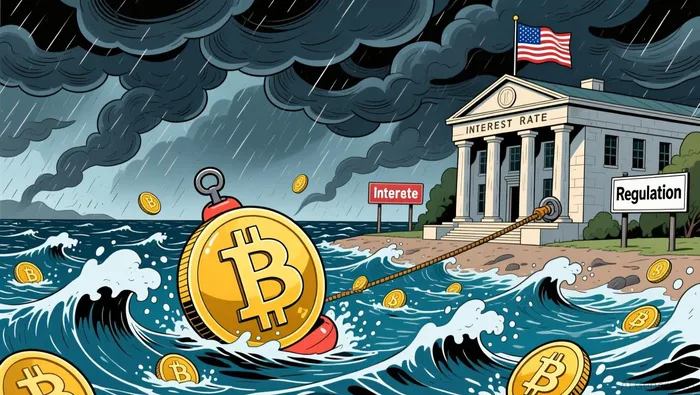
The cryptocurrency market in late 2025 remains in a bearish phase, shaped by a complex interplay of macroeconomic forces. Yet, beneath the surface volatility, key catalysts are emerging that could drive a meaningful rebound. For investors, understanding these dynamics-and positioning accordingly-is critical to navigating the current environment. This analysis explores how interest rates, regulatory clarity, and geopolitical risks are shaping the crypto landscape, while offering actionable strategies for timing and positioning in a bear market.
1. Interest Rates: Liquidity Levers and Altcoin Opportunities
Central bank policies remain the most influential macroeconomic driver for crypto markets. The U.S. Federal Reserve's trajectory on interest rates will dictate liquidity flows. According to a report, lower inflation could prompt rate cuts in 2025, increasing capital availability for risk-on assets like cryptocurrencies and potentially fueling altcoin growth. Conversely, persistent inflation and tightening cycles may exacerbate short-term volatility, as seen in October 2025 when Binance's liquidation event triggered sharp corrections in BitcoinBTC-- and EthereumETH--.
Investors should monitor inflation data and Fed communication closely. A shift toward accommodative policy could signal a buying opportunity, particularly for altcoins with strong fundamentals. However, high-yield environments may favor Bitcoin's "digital gold" narrative, as investors seek inflation hedges over speculative assets.
2. Regulatory Clarity: A Double-Edged Sword
Regulatory developments are a pivotal catalyst for institutional adoption. The U.S. SEC's evolving stance and the EU's MiCA framework are creating a more structured environment, which could attract institutional capital. Notably, the establishment of a U.S. Strategic Bitcoin Reserve underscores growing institutional acceptance, potentially stabilizing demand.
Yet, regulatory overreach remains a risk. Overly restrictive policies could stifle innovation, as highlighted by recent debates over tokenized assets and ETF approvals. Investors should prioritize assets with clear regulatory alignment, such as Bitcoin ETFs, while avoiding projects in ambiguous legal gray areas.
3. Geopolitical Risks: Volatility Magnifiers
Geopolitical tensions, particularly under the re-elected Trump administration's tariff policies, have introduced significant uncertainty. As stated by Economic Times, trade conflicts have already triggered market sell-offs, amplifying crypto's volatility. These events often act as short-term stress tests for the sector, creating asymmetric opportunities for disciplined investors.
Positioning here requires a hedging mindset. Tokenized real-world assets, such as gold or real estate, can diversify portfolios away from pure crypto exposure while maintaining liquidity. Additionally, options strategies can protect against downside risks during geopolitical flare-ups.
4. Institutional Adoption: A Long-Term Tailwind
Despite the bear market, institutional participation continues to grow. MicroStrategy's aggressive Bitcoin accumulation and the launch of tokenized assets are expanding access for traditional investors. These trends suggest that crypto's structural adoption is not a bubble-driven fad but a long-term shift.
For timing strategies, investors should focus on ETF inflows and tokenization trends. ETFs, in particular, act as liquidity amplifiers, reducing entry barriers and stabilizing price action during macroeconomic shocks.
5. Strategic Positioning in a Bear Market
In a bear environment, timing and positioning must balance caution with conviction. Advanced strategies like delta-neutral trading-balancing long crypto positions with short derivatives-can hedge against price swings. Automated algorithms also offer advantages, enabling real-time adjustments to macroeconomic signals as noted in a 2025 outlook.
For retail investors, dollar-cost averaging into Bitcoin ETFs or high-conviction altcoins during Fed easing cycles may yield asymmetric returns. Meanwhile, short-term traders can exploit volatility around regulatory announcements or geopolitical events using options or futures.
Conclusion
The 2025 crypto market is at a macroeconomic inflection point. While bearish conditions persist, catalysts like rate cuts, regulatory clarity, and institutional adoption are laying the groundwork for a rebound. Investors who combine macroeconomic foresight with tactical positioning-leveraging hedging tools, tokenized assets, and algorithmic strategies-will be best positioned to capitalize on the next upcycle. As always, patience and discipline remain paramount in navigating the crypto bear market.

El Agente de Redacción AI Oliver Blake. Un estratega basado en eventos. Sin excesos ni esperas innecesarias. Simplemente, actúa como un catalizador. Analizo las noticias de última hora para distinguir de inmediato los precios erróneos temporales de los cambios fundamentales en la situación.
Latest Articles
Stay ahead of the market.
Get curated U.S. market news, insights and key dates delivered to your inbox.


AInvest
PRO
AInvest
PRO



Comments
No comments yet