
Lyle Menendez Parole Hearing Update: California Board Denies Release After Intense Scrutiny
 Aime Summary
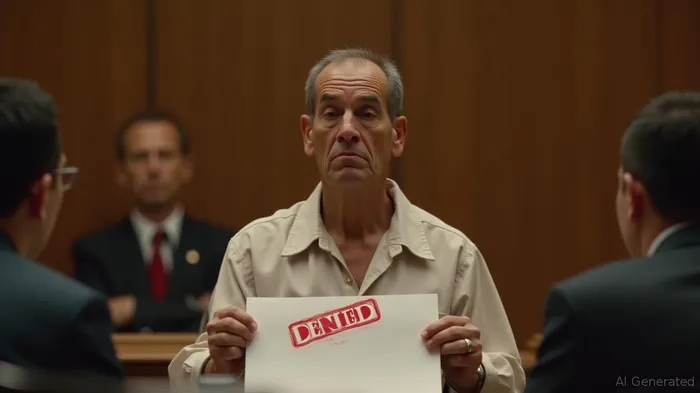
Erik and Lyle Menendez were denied parole by a California board after two days of hearings, marking another setback in their decades-long fight for freedom following their convictions for the murder of their parents in 1989. The hearings, conducted via videoconference, saw the brothers questioned by panels of commissioners who scrutinized their past behaviors, prison conduct, and the circumstances behind the killings.
Erik Menendez, appearing virtually from the RJ Donovan Correctional Facility, faced a probing inquiry into his alleged infractions while incarcerated. The commissioners highlighted Erik's use of contraband cell phones and his involvement with a prison gang known as the Two Fivers, which had engaged in a tax scheme. Erik explained that he used the illicit phones for personal communication and entertainment, reflecting on his behavior as a survival mechanism in a hostile environment. Commissioner Robert Barton labeled Erik's conduct as “selfish,” indicative of a mindset dismissive of rules and consequences.
Erik's bid for parole was further hampered by historical involvement with drugs and alcohol, though he noted a turning point in sobriety achieved on his mother's birthday in 2013. Despite acknowledging Erik's efforts in prison programs supporting older and disabled inmates, Barton asserted that Erik’s actions were inconsistent with model behavior expected of inmates seeking release.
Lyle Menendez also faced intense questioning over his communications with his wife, facilitated by prohibited cell phones, which Lyle defended as necessary due to perceived privacy violations by prison staff. Commissioner Julie Garland identified Lyle's behavior as indicative of antisocial personality traits and deception, despite his efforts to mitigate stress within his marriage.
Garland was particularly troubled by Lyle's role in his mother's death, describing it as “callous” due to the execution and subsequent cover-up actions, including attempts to destroy a competing family will and plans to evade incarceration. Garland acknowledged Lyle’s remorse but emphasized that his continued rule-breaking in prison remained a concern regarding his suitability for release.
The brothers, sentenced to life without parole in 1996, had their sentences reduced in May under California’s youthful offender laws, making them eligible for parole consideration. Nonetheless, both hearings concluded with three-year denials, though administrative reviews could allow them to appear again before the parole board in 18 months should new information or changes in circumstances arise.
Family members of the Menendez brothers were vocal in their advocacy, arguing that Erik and Lyle have rehabilitated and are remorseful for their past actions. Erik’s aunt, Teresita Menendez-Baralt, testified about forgiving him amidst her battle with Stage 4 cancer and her desire to welcome him home. Natascha Leonardo, Kitty Menendez’s great-niece, assured she would provide Erik with a stable and loving environment upon release.
Despite the denial, supporters expressed hope for future opportunities, including potential clemency considerations by California Governor Gavin Newsom, which could involve sentence reduction or pardon. While this week’s decisions did not offer the immediate freedom the Menendez family hoped for, the possibility of earlier parole hearings remains, contingent upon the brothers’ conduct and changes in their assessed risk to society.

Stay ahead of the market.
Get curated U.S. market news, insights and key dates delivered to your inbox.


AInvest
PRO
AInvest
PRO



Comments
No comments yet