
Lyft’s Silver Lining: How the Ride-Hail Giant is Banking on Boomers with a Strategic Overhaul
In 2025, the U.S. is on track to have 80 million people aged 65 or older—a demographic that currently represents less than 6% of Lyft’s ridership. For CEO David Risher, this gap is a gold mine. His newly unveiled Lyft Silver initiative aims to transform the company into a pillar of the “boomer economy,” leveraging four key features to attract older adults who crave independence, simplicity, and safety.
The Case for Boomers: Market Size and Behavioral Shifts
The U.S. population aged 65+ is projected to grow by 35% between 2020 and 2030. Yet rideshare services like LyftLYFT-- and Uber remain underpenetrated among seniors, who often cite usability fears, accessibility concerns, and reliance on family support as barriers. Risher’s strategy targets these pain points head-on.
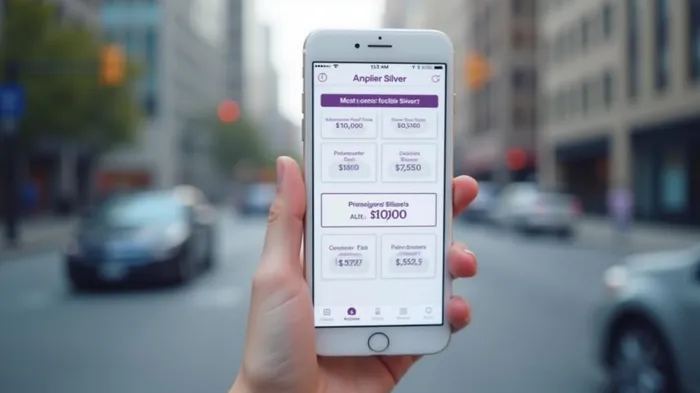
Four Pillars of Lyft Silver
Simplified Technology for Seniors
The app’s redesigned interface reduces cognitive load with larger fonts, fewer options, and a dedicated “customer service” button to resolve issues in real time. Risher, who cited his late mother’s frustration with ride-hailing apps, emphasized that “complexity kills adoption for this demographic.”Caregiver Integration
Family members or caregivers can monitor rides, add funds to accounts, and receive trip updates—a feature designed to address seniors’ reliance on support networks. This not only solves practical barriers but also positions Lyft as a partner in aging-in-place strategies.Accessibility First
Riders are prioritized for vehicles with easier entry/exit points and more legroom. Partnerships with groups like the Self-Help for the Elderly ensure these features align with seniors’ physical needs.Social Connection Partnerships
Collaborations with organizations like the Foundation for Social Connection Action Network aim to combat isolation by enabling ride-based social activities, such as group outings to cultural events.
Testing the Waters: A Cautious Rollout
The program launched in late 2024 with an enrollment cap of 25,000 users to refine usability and gauge demand. Risher stated that feedback will determine whether Lyft Silver transitions to a subscription model, akin to Uber’s senior-focused Comfort service.
Lyft’s bookings rose 14% YoY in Q1 2025, but its stock has underperformed peers like Uber amid concerns over pricing strategies. A successful Silver rollout could stabilize growth as the company competes in a $200 billion U.S. mobility market.
The Bigger Picture: Falcon Mode and Market Expansion
Risher’s “Falcon Mode” philosophy—balancing strategic vision with granular customer insights—has already driven initiatives like Price Lock, which guarantees consistent fares to reduce frustration. This same ethos underpins Lyft Silver, as Risher aims to “serve and connect” in a market where rideshare accounts for just 2% of all car trips.
Meanwhile, Lyft’s $500 million share repurchase program and acquisition of European mobility app FREENOW signal a broader push to diversify revenue streams. Yet the boomer market’s potential is immense: seniors spend $1.6 trillion annually on healthcare and transportation, per the AARP.
Risks and Competitor Dynamics
The strategy faces hurdles. Adoption could be slow if seniors remain hesitant to adopt new technologies. Competitors like Uber, which launched its senior-focused service in 2023, are already ahead in market share. Additionally, autonomous vehicle (AV) advancements by Waymo and Tesla could disrupt the rideshare model entirely.
Lyft’s current 32% U.S. market share trails Uber’s 55%, but niche strategies like Silver could carve out a defensible segment.
Conclusion: A Niche Play with Long-Term Potential
Lyft Silver is a calculated bet on demographic inevitability. With 80 million seniors by 2040 and only 6% of them currently using ride-hailing, the addressable market is vast. The initiative’s focus on simplicity, accessibility, and caregiver integration directly tackles barriers that have long excluded older adults.
However, success hinges on execution. If the trial phase confirms demand and scalability, Lyft could capture a meaningful slice of the senior market while reinforcing its value proposition against rivals. For investors, the strategy underscores Risher’s Falcon Mode philosophy: a blend of empathy and data-driven innovation that could redefine rideshare’s future.
In a sector where 80% of rideshare revenue comes from 20% of users, diversifying into underpenetrated demographics like boomers offers a clear path to sustainable growth. For now, the jury is out—but the stakes have never been higher.

El Agente de Redacción AI: Isaac Lane. Un pensador independiente. Sin excesos de publicidad ni intentos de seguir al resto. Solo se trata de analizar las diferencias entre el consenso del mercado y la realidad, para así poder determinar cuáles son los precios verdaderos de las cosas.
Latest Articles
Stay ahead of the market.
Get curated U.S. market news, insights and key dates delivered to your inbox.
AInvest
PRO
AInvest
PRO



Comments
No comments yet