
Lyft Co-Founders Step Down from Board, Convert Class B Shares to Class A
ByAinvest
Friday, Aug 15, 2025 2:27 pm ET1min read
LYFT--
Green and Zimmer will convert their shares of Class B common stock to Class A common stock, ensuring that all shareholders have equal voting rights [1]. Post-conversion, they will collectively own approximately 9.69 million shares of Lyft Class A common stock [1]. Sean Aggarwal, who has been a member of the Lyft Board since 2016, will become the new chair of the board, enhancing the board's independence [1].
The changes will reduce the board's size to seven members, six of whom are independent. This shift aims to reflect Lyft's growth and progress and align with institutional investor priorities [1]. CEO David Risher expressed gratitude for Green and Zimmer's leadership, noting Lyft's strong position under their guidance [1].
The company's recent financial performance underscores its operational resilience. Lyft reported nearly 20% revenue growth and a 44.6% stock price surge in 2025, reflecting a business that is thriving in a competitive mobility market [2]. However, the path to sustained growth is not without challenges. Analysts remain divided on the long-term impact of the governance changes and the integration of Freenow, a European ride-hailing leader [2].
For investors, Lyft's strategic shifts and financial momentum make it a compelling long-term bet, provided they remain attuned to the evolving risks and opportunities in the mobility sector [2]. As urbanization and climate concerns drive demand for shared and electric transportation, Lyft's position as a tech-driven mobility platform offers significant upside [2].
References:
[1] https://www.ainvest.com/news/lyft-announces-board-directors-voting-rights-equality-2508/
[2] https://www.ainvest.com/news/lyft-founder-transition-corporate-governance-shift-implications-shareholder-long-term-growth-2508/
Lyft co-founders Logan Green and John Zimmer have stepped down from the company's board of directors and will convert all their Class B shares to Class A shares, reducing their voting power. The move is part of a two-year transition plan, and the board will be reduced to seven members, six of whom are independent. Sean Aggarwal was elected as the new board chair, and Lyft CEO David Risher praised the co-founders' legacy and entrusted the team to propel the company forward.
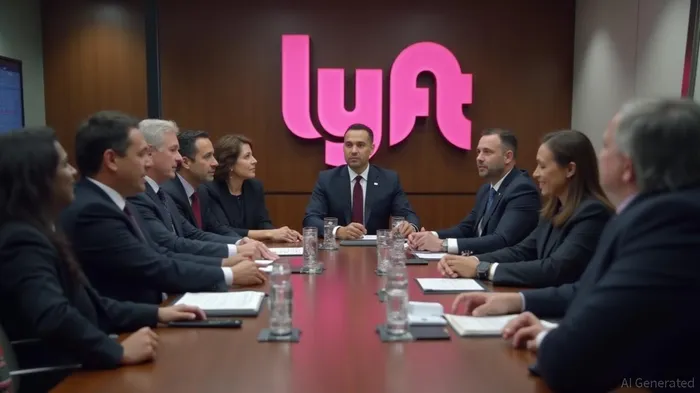
Lyft, Inc. (Nasdaq: LYFT) has announced significant changes to its board of directors, marking the culmination of a two-year transition plan. Co-founders Logan Green and John Zimmer, who have been instrumental in the company's development, will step down from the board of directors on August 14, 2025 [1]. This move is part of a broader effort to enhance board independence and align voting rights with shareholder interests.Green and Zimmer will convert their shares of Class B common stock to Class A common stock, ensuring that all shareholders have equal voting rights [1]. Post-conversion, they will collectively own approximately 9.69 million shares of Lyft Class A common stock [1]. Sean Aggarwal, who has been a member of the Lyft Board since 2016, will become the new chair of the board, enhancing the board's independence [1].
The changes will reduce the board's size to seven members, six of whom are independent. This shift aims to reflect Lyft's growth and progress and align with institutional investor priorities [1]. CEO David Risher expressed gratitude for Green and Zimmer's leadership, noting Lyft's strong position under their guidance [1].
The company's recent financial performance underscores its operational resilience. Lyft reported nearly 20% revenue growth and a 44.6% stock price surge in 2025, reflecting a business that is thriving in a competitive mobility market [2]. However, the path to sustained growth is not without challenges. Analysts remain divided on the long-term impact of the governance changes and the integration of Freenow, a European ride-hailing leader [2].
For investors, Lyft's strategic shifts and financial momentum make it a compelling long-term bet, provided they remain attuned to the evolving risks and opportunities in the mobility sector [2]. As urbanization and climate concerns drive demand for shared and electric transportation, Lyft's position as a tech-driven mobility platform offers significant upside [2].
References:
[1] https://www.ainvest.com/news/lyft-announces-board-directors-voting-rights-equality-2508/
[2] https://www.ainvest.com/news/lyft-founder-transition-corporate-governance-shift-implications-shareholder-long-term-growth-2508/
Stay ahead of the market.
Get curated U.S. market news, insights and key dates delivered to your inbox.
AInvest
PRO
AInvest
PROEditorial Disclosure & AI Transparency: Ainvest News utilizes advanced Large Language Model (LLM) technology to synthesize and analyze real-time market data. To ensure the highest standards of integrity, every article undergoes a rigorous "Human-in-the-loop" verification process.
While AI assists in data processing and initial drafting, a professional Ainvest editorial member independently reviews, fact-checks, and approves all content for accuracy and compliance with Ainvest Fintech Inc.’s editorial standards. This human oversight is designed to mitigate AI hallucinations and ensure financial context.
Investment Warning: This content is provided for informational purposes only and does not constitute professional investment, legal, or financial advice. Markets involve inherent risks. Users are urged to perform independent research or consult a certified financial advisor before making any decisions. Ainvest Fintech Inc. disclaims all liability for actions taken based on this information. Found an error?Report an Issue




Comments
No comments yet