
Luxury's New Equation: Gen Z, Digital Innovation, and the Race to Reclaim Relevance
The luxury goods industry, long a symbol of opulence and exclusivity, is facing its most significant crossroads in decades. According to Bain & Company's latest report, the global personal luxury market contracted by 2% in 2024—the first decline in 15 years (excluding pandemic disruptions)—as Gen Z consumers and shifting digital habits upend traditional business models. For investors, this is not just a cautionary tale but a roadmap: the brands that adapt to Gen Z's demand for authenticity, affordability, and digital engagement will thrive, while those clinging to outdated strategies risk obsolescence.
The Gen Z Dilemma: Value Over Exclusivity
Gen Z, now the largest consumer cohort, is reshaping luxury's DNA. Unlike previous generations that revered brands for their scarcity and mystique, Gen Z seeks value, self-expression, and social media-fueled validation. The report reveals that nearly half of Gen Z respondents view luxury brands as “out of touch” with modern values, while their spending has shifted toward secondhand markets and “accessible luxury” products like entry-level handbags or beauty lines.
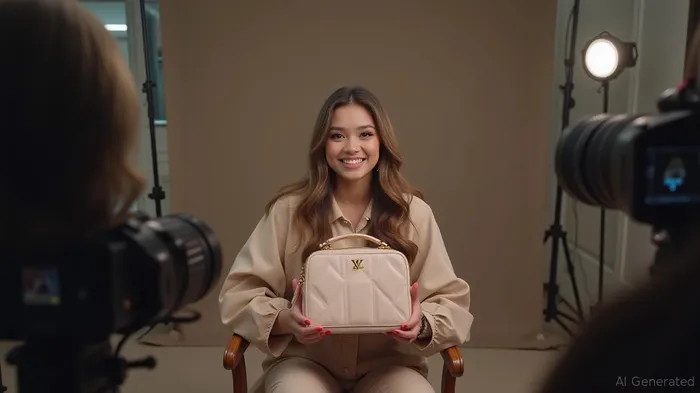
The industry's response has been a double-edged sword. Brands rushed to launch “inclusive” strategies—think streetwear collaborations or beauty drops—to attract younger buyers. Yet this “overcorrection” backfired. By diluting their elitist image, brands lost both Gen Z's trust (due to perceived inauthenticity) and the loyalty of older, high-spending customers who still value exclusivity. The result? A 50 million-customer loss and a 2% market contraction.
Digital Innovation: Beyond the Gimmick
The solution lies not in more tech, but in smarter tech. Luxury brands have invested heavily in AI-driven personalization, virtual showrooms, and NFTs, but these tools alone cannot bridge the gap. Gen Z demands authenticity—a connection to craftsmanship, storytelling, and culturally resonant experiences. As Bain notes, the “luxury equation” must now balance exclusivity with digital-native engagement.
Consider the regional divide: Japan's luxury market grew by 8% in 2024, fueled by tourism and strong yen exchange rates, while China—a once-booming market—saw a 12% decline as economic pressures and anti-extravagance sentiment took hold. Europe and the Americas, buoyed by wealthy travelers, grew modestly. For investors, this highlights the need to focus on brands with global agility and digital fluency.
The Investment Playbook: Where to Bet
Brands with a Digital-First, Authentic Edge
LVMH (MC.PA) and Kering (PRTP.PA) are ahead of the curve, leveraging social media influencers and AI-driven personalization without losing their heritage. LVMH's acquisition of TikTok-savvy brands like Off-White and its investment in virtual try-on technology signal a commitment to Gen Z's demands. Meanwhile, Kering's focus on sustainability and transparency resonates with values-driven younger buyers.The Secondhand Revolution
The secondhand luxury market—projected to hit $100 billion by 2030—offers a compelling alternative. Players like The RealReal (REAL) and Vestiaire Collective are capitalizing on Gen Z's preference for affordability and circularity. These businesses also mitigate the risk of overexposure to economic downturns, as secondhand sales often stabilize when new goods decline.Asia's Turnaround Play
While China's luxury sector stumbled in 2024, a rebound could come quickly if the economy stabilizes. Investors might consider regional players like China's own Richemont-backed brands or tourism-driven markets like Singapore, which could benefit from a recovery in travel.
The Bottom Line: Adapt or Be Left Behind
The luxury sector's decline isn't a death knell—it's a wake-up call. Brands that master the balance of exclusivity and digital innovation will own the next decade. For investors, the path is clear: back companies that fuse heritage with tech-savvy storytelling, cater to Gen Z's demand for value, and navigate regional shifts with agility. The era of “luxury as usual” is over. The winners will be those who redefine it.

Stay ahead of the market.
Get curated U.S. market news, insights and key dates delivered to your inbox.


AInvest
PRO
AInvest
PRO



Comments
No comments yet