
Luxury Consumer Branding in the Post-Pandemic Era: Goop's Strategic Shift and the Rise of Premiumization


 Aime Summary
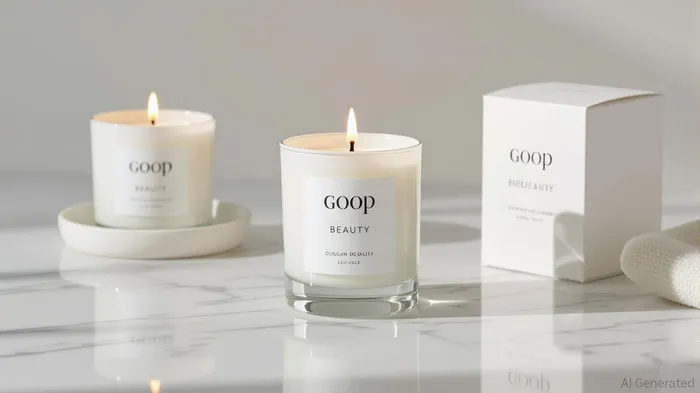
The post-pandemic consumer landscape has rewritten the rules of luxury branding. As global markets grapple with shifting priorities—where wellness, authenticity, and self-care now dominate spending—brands like Goop are recalibrating their strategies to align with a new era of premiumization. Goop's recent pivot away from its budget beauty line, Good Clean Goop, and its refocus on high-margin luxury offerings, such as its Goop Beauty collection, serve as a microcosm of broader consumer behavior. This shift is not merely a tactical adjustment but a reflection of a deeper transformation in how consumers define value, exclusivity, and brand loyalty. For investors, understanding this evolution is key to identifying opportunities in high-margin, aspirational lifestyle brands.
The Goop Case Study: From Accessibility to Exclusivity
Goop's 2023 launch of Good Clean Goop aimed to democratize its clean beauty ethos by partnering with retailers like TargetTGT-- and AmazonAMZN--. However, by 2025, the line had been phased out, with Goop's Instagram profile for the brand inactive since October 2024. A Goop spokesperson cited the move as part of a “strategic shift to focus on core business initiatives where we see significant momentum.” This pivot underscores a critical insight: in a post-pandemic world, consumers are no longer prioritizing affordability over perceived value. Instead, they are willing to pay a premium for brands that align with their values—clean ingredients, storytelling, and a curated experience.
Goop's simultaneous partnership with Ulta BeautyULTA-- in June 2024, which expanded its Goop Beauty line to 800 stores, highlights this recalibration. By positioning its products in a premium retail environment, Goop is leveraging its association with Gwyneth Paltrow's wellness empire to reinforce its luxury identity. This strategy aligns with broader market trends: the global luxury beauty segment grew 13% in 2023, outpacing the overall beauty industry, as consumers increasingly view beauty as a self-care investment rather than a commodity.
Premiumization: A Macro Trend with Micro Implications
The shift toward premiumization is not unique to Goop. Post-pandemic, consumers across demographics and geographies are trading up to high-end products that promise efficacy, exclusivity, and emotional resonance. In 2023, the luxury beauty market reached $446 billion globally, with entry-level prestige and prestige segments growing 10% and 11%, respectively. This trend is particularly pronounced in markets like the U.S., Europe, and the UAE, where millennials and Gen Z consumers are prioritizing “small indulgences” such as niche fragrances, anti-aging skincare, and artisanal cosmetics.
For investors, this signals a structural shift in consumer behavior. Brands that can articulate a compelling narrative—such as Goop's emphasis on “clean” and “wellness-driven” products—while maintaining high margins are poised to outperform. The challenge lies in balancing exclusivity with scalability. Goop's struggles with the Good Clean Goop line illustrate the risks of diluting a brand's premium identity to chase mass-market appeal. Conversely, its success with Goop Beauty demonstrates the rewards of doubling down on a luxury positioning.
Strategic Lessons for Investors
- Focus on Brand Storytelling and Authenticity: Consumers now demand more than a product—they want a story. Goop's pivot reflects its commitment to a wellness-centric narrative, a strategy mirrored by luxury brands like Tom Ford and La Mer. Investors should prioritize companies that integrate storytelling into their product development and marketing.
- Leverage Digital and Physical Synergies: While e-commerce growth in luxury beauty has slowed (online sales grew 8% in 2023), the integration of digital and in-store experiences remains critical. Goop's Ulta partnership exemplifies how physical retail can enhance brand credibility and drive conversions.
- Monitor Macroeconomic Resilience: Despite economic headwinds, the “lipstick effect” persists. In 2024, consumers in China and the U.S. continued to splurge on high-end skincare and fragrances, even as they cut back on discretionary spending. Brands with strong cash flow and diversified regional exposure are better positioned to weather volatility.
The Road Ahead: High-Margin Opportunities in Aspirational Brands
The luxury beauty and lifestyle sectors are projected to grow at 5% annually through 2030, with niche players and established incumbents alike vying for market share. For investors, the key is to identify brands that can innovate while maintaining their premium positioning. Goop's journey—from budget experimentation to luxury focus—offers a blueprint for navigating this landscape.
However, the path is not without risks. Goop's financial struggles, including layoffs and unprofitability, highlight the challenges of sustaining a luxury brand in a competitive market. Investors must weigh a brand's financial health against its cultural relevance and ability to adapt to evolving consumer values.
In conclusion, the post-pandemic era has redefined luxury branding, with premiumization and storytelling at its core. Goop's strategic pivot away from budget beauty is a testament to the power of aligning with consumer aspirations. For investors, the lesson is clear: high-margin, aspirational brands that prioritize authenticity and innovation will thrive in a world where value is no longer measured by price, but by experience.

Delivering real-time insights and analysis on emerging financial trends and market movements.
Latest Articles
Stay ahead of the market.
Get curated U.S. market news, insights and key dates delivered to your inbox.
AInvest
PRO
AInvest
PRO



Comments
No comments yet