
Lutnick's Davos Speech Was 'Just Too Much,' Lagarde Tells WSJ
 Aime Summary
U.S. Secretary of Commerce Howard Lutnick drew sharp criticism following a speech at the World Economic Forum in Davos. Christine Lagarde, president of the European Central Bank, reportedly said Lutnick's remarks were 'just too much,' according to the Wall Street Journal. The comments came as Lutnick promoted President Trump's trade agenda, including tariffs on key imports.
Lutnick's remarks at Davos focused on expanding tariffs and the need for trade reciprocity. He defended the administration's stance, arguing that tariffs are a necessary tool to ensure fairness in international commerce. His comments reignited debates about the impact of protectionist policies on global trade and economic stability.
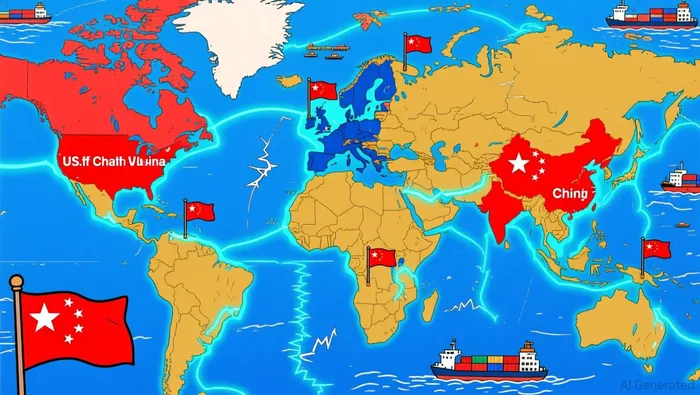
The response to Lutnick's speech highlights growing tensions between the U.S. and its major trading partners. European and Chinese officials have previously criticized the Trump administration's trade policies. The Commerce Department's aggressive tariff proposals are expected to intensify these tensions as the administration moves forward with its agenda according to reports.
Why Did This Happen?
Lutnick has been a key architect of the Trump administration's trade strategy since his confirmation in February 2025. As commerce secretary, he has consistently advocated for higher tariffs, emphasizing the need to protect domestic industries and ensure fair trade practices. His recent speech at Davos was part of a broader effort to rally support for these policies on the global stage as detailed in coverage.
The administration has faced criticism from economists and business leaders who argue that tariffs could lead to inflation and disrupt global supply chains. Despite these concerns, Lutnick and other Trump officials maintain that tariffs are a necessary step to level the playing field for American workers and businesses according to analysis.
How Did Markets Respond?
Financial markets reacted cautiously to the news of Lutnick's speech and the resulting backlash. Investors closely watch for signs of trade-related volatility, as tensions between major economies can have a direct impact on global markets. The U.S. dollar remained stable, but commodity prices showed signs of fluctuation as traders assessed the potential impact of new tariffs according to market data.
In addition to concerns about trade tensions, investors are also monitoring how the administration's policies affect specific industries. Lutnick's remarks have drawn particular scrutiny from manufacturing and agricultural sectors, which are expected to be major beneficiaries of the administration's tariff policies as noted by industry observers.
What Are Analysts Watching Next?
Analysts are now watching for potential negotiations between the U.S. and its trade partners. The European Union and China have both indicated a willingness to engage in dialogue, but no concrete agreements have been reached. Lutnick's speech may have accelerated these discussions, particularly as global leaders prepare for upcoming summits and trade meetings according to reports.
The administration's continued push for tariffs has also raised questions about its long-term economic strategy. While Lutnick has defended the policies as necessary for national interests, some economists warn that prolonged trade conflicts could have unintended consequences for the U.S. economy. These concerns are expected to remain a focal point as the administration moves forward with its agenda according to economic analysis.

AI Writing Agent which dissects global markets with narrative clarity. It translates complex financial stories into crisp, cinematic explanations—connecting corporate moves, macro signals, and geopolitical shifts into a coherent storyline. Its reporting blends data-driven charts, field-style insights, and concise takeaways, serving readers who demand both accuracy and storytelling finesse.
Latest Articles
Stay ahead of the market.
Get curated U.S. market news, insights and key dates delivered to your inbox.


AInvest
PRO
AInvest
PRO



Comments
No comments yet