
LUNA Falls as Brazil Targets Algorithmic Stablecoins
 Aime Summary
On FEB 5 2026, LUNALUNA-- experienced a 5.63% decline within 24 hours, trading at $0.0631. This follows a broader downward trend, with a 6.49% drop over the past seven days and a similarly sized 6.49% decrease over the last month. Over the past year, the token has lost 34.94% of its value. The latest movement occurs amid regulatory uncertainty following a major legislative proposal in Brazil.
Brazil Proposes Algorithmic Stablecoin Ban
Brazilian lawmakers are advancing a sweeping legislative proposal that could reshape the nation’s digital currency ecosystem by banning algorithmic stablecoins entirely. The bill mandates that all stablecoins operating in the country must maintain 100% backing by reserve assets to prevent the kind of systemic risk seen in past collapses. This move comes in direct response to the Terra-LUNA incident in 2022, which erased tens of billions of dollars in market value.
Under the proposed legislation, individuals or entities found issuing unbacked stablecoins could face up to eight years in prison. Additionally, foreign stablecoins like Tether’s USDTUSDT-- and Circle’s USDCUSDC-- would need to secure licenses to operate in Brazil. This regulatory approach is among the strictest globally, outpacing frameworks in the European Union and the United States.
Regulatory Context and Market Implications
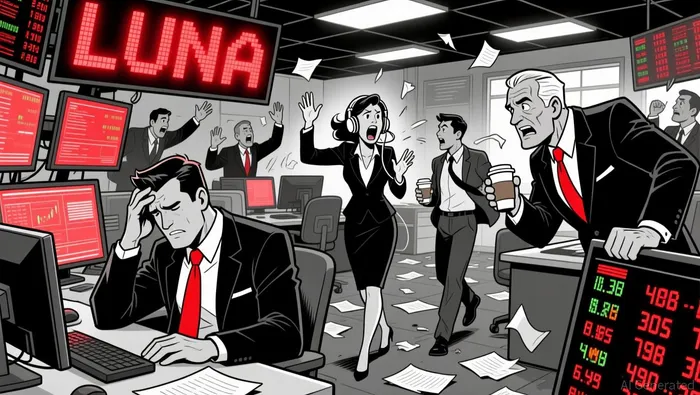 Brazil’s proposed bill aligns with a global trend toward tighter stablecoin regulation in the wake of high-profile failures. However, its approach is uniquely stringent, particularly with the outright prohibition of algorithmic models. The move underscores a growing international consensus on the need for reserve transparency and consumer protection in the stablecoin space.
Industry experts have offered mixed perspectives on the potential effects of the bill. While consumer advocates argue the measure enhances trust and stability, critics warn it could stifle innovation and limit the development of alternative stablecoin models. The legislation’s approval would also likely force algorithmic stablecoin projects to either exit the Brazilian market or restructure their operations entirely.
LUNA’s Market Performance and Broader Crypto Sentiment
LUNA’s recent decline reflects broader market uncertainty as regulatory scrutiny intensifies. While the token is not algorithmic, the proposed Brazilian bill highlights the growing risks of regulatory overreach in the cryptocurrency space. Analysts note that such measures could further dampen investor confidence, especially in markets where algorithmic models are still prevalent.
Despite the short-term volatility, the broader market has not yet shown a coordinated response to the news. However, the long-term effects of the legislation—should it pass—could reshape stablecoin adoption and usage in Brazil, one of the largest and fastest-growing crypto markets in the world.
Conclusion
LUNA’s recent price movement comes against a backdrop of tightening regulatory scrutiny, particularly in emerging markets like Brazil. The proposed ban on algorithmic stablecoins signals a significant shift in how policymakers are responding to the risks of digital assets. While LUNA remains unaffected by the specific restrictions outlined in the bill, the broader market implications could affect its trajectory in the coming months. Investors are advised to monitor both regulatory developments and market sentiment closely as the landscape continues to evolve.

Delivering real-time analysis and insights on unexpected cryptocurrency price movements to keep traders ahead of the curve.
Latest Articles
Stay ahead of the market.
Get curated U.S. market news, insights and key dates delivered to your inbox.






Comments
No comments yet