
LUNA -27.75% in 7 days as founder Do Kwon faces South Korean prosecution
 Aime Summary
On DEC 16, 2025, LUNALUNA-- dropped by 5.01% within 24 hours to reach $0.1299, marking a 27.75% decline over the last seven days. While the token has gained 78.53% over the past month, it remains down 68.92% year to date. This sharp 7-day drop reflects renewed investor concerns following the sentencing of TerraLUNA-- (LUNA) founder Do Kwon in the United States and his pending legal challenges in South Korea.
Founder Faces Extended Legal Exposure in South Korea
Do Kwon, the architect of the Terra ecosystem, was sentenced to 15 years in a U.S. federal court for his role in the 2022 collapse of TerraUSD and LUNA. The case, which concluded last week in New York, saw Judge Paul Engelmayer impose a 15-year term for nine counts, including fraud and money laundering, and ordered the confiscation of $19 million in illicit gains.
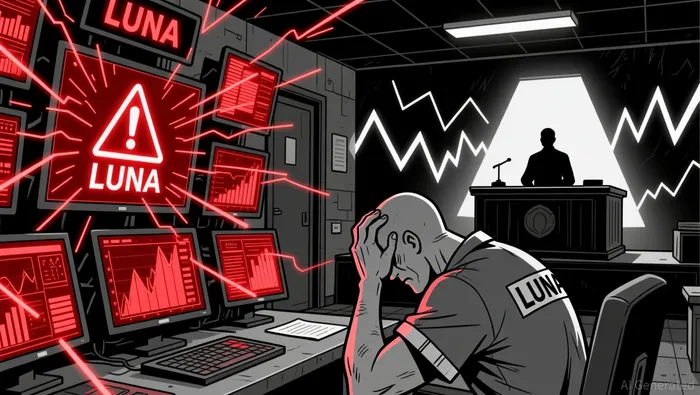 However, Kwon’s legal troubles are not over. South Korean prosecutors are preparing a separate trial under the Capital Markets Act for violations tied to the same collapse. They allege Kwon engaged in deceptive practices that led to a $40 billion market loss in May 2022. If convicted, Kwon could face more than 30 years in prison, compounding his U.S. sentence. His extradition to South Korea is expected after he serves half of his American term, with no opposition from U.S. authorities.
Legal Action Driven by Investor Harm and Public Outcry
The South Korean prosecution is driven by the need to hold Kwon accountable for the domestic fallout of the Terra collapse. Approximately 200,000 local investors lost a combined $204 million, according to South Korean authorities. Victim impact statements submitted in the U.S. trial highlighted bankruptcies, health issues, and even suicides among affected individuals.
Prosecutors argue that Kwon’s actions were not merely a business failure but a deliberate act of fraud that exploited investor trust. Cybercrime consultant David Sehyeon Baek notes that South Korea often treats large-scale financial crimes leniently, framing them as operational missteps. A domestic trial, he argues, is essential to shift public perception and ensure adequate accountability.
Market Implications of the Legal Fallout
The legal developments have weighed heavily on LUNA’s price in recent weeks. The token, which reached a 1-month high in early December, has since retreated as uncertainty over Kwon’s fate persists. The U.S. conviction was followed by a brief rally as investors interpreted it as a resolution, but the announcement of further legal action in South Korea has reignited fears of prolonged instability.
Analysts note that while the LUNA token has shown short-term volatility, the broader ecosystem remains in a fragile state. The collapse of TerraUSD and the subsequent market panic in 2022 exposed vulnerabilities in algorithmic stablecoins and regulatory oversight. The legal proceedings against Kwon are likely to keep the token under pressure until clarity is achieved, both in terms of Kwon’s fate and the future of the Terra ecosystem.
Broader Regulatory and Investor Sentiment
The case underscores the growing regulatory scrutiny of crypto projects, particularly those involving algorithmic stablecoins. Regulators in both the U.S. and South Korea have emphasized the need for stronger safeguards and accountability for crypto executives. The U.S. trial set a precedent for prosecuting stablecoin-related fraud, while the South Korean prosecution highlights the importance of domestic enforcement.
Investor sentiment remains cautious, with many in the crypto market watching closely for how this case will shape future regulation. The outcome could influence how governments approach the oversight of decentralized finance (DeFi) and algorithmic stablecoins, with potential implications for market structure and investor protection.
Conclusion
The 27.75% drop in LUNA over the past seven days reflects renewed investor concern following the sentencing of Do Kwon in the U.S. and the looming South Korean prosecution. As Kwon faces potential extradition and additional charges, the token continues to trade at a significant discount to its 12-month average. The case serves as a cautionary example of the legal and financial risks associated with high-profile crypto ventures, reinforcing the need for robust regulation and transparency in the rapidly evolving digital asset space.

Delivering real-time analysis and insights on unexpected cryptocurrency price movements to keep traders ahead of the curve.
Latest Articles
Stay ahead of the market.
Get curated U.S. market news, insights and key dates delivered to your inbox.


AInvest
PRO
AInvest
PRO



Comments
No comments yet