
LUNA -25.14% Over 1 Year Amid Regulatory and Market Shifts
 Aime Summary
On January 9, 2026, LUNALUNA--, the token associated with the TerraLUNA-- blockchain ecosystem, has seen a significant decline in value, dropping 6.32% in the last seven days and 25.14% over the past year, with the current price at $0.0906. This downturn reflects broader market adjustments and ongoing regulatory developments in the digital asset space.
Market Context and Performance
LUNA’s decline is part of a broader trend affecting the cryptocurrency market, particularly in the wake of high-profile collapses and the evolving regulatory environment. The price movement over the past year highlights the token’s vulnerability to systemic risks and market sentiment shifts, especially following incidents that raised questions about the stability of algorithmic stablecoins.
The 6.32% drop over seven days and the 5.14% drop in a single month are indicative of investor caution and a broader reassessment of risk in the digital asset space. With Terra’s ecosystem having faced significant turbulence, LUNA remains under pressure as market participants continue to evaluate its long-term viability.
Regulatory and Institutional Developments
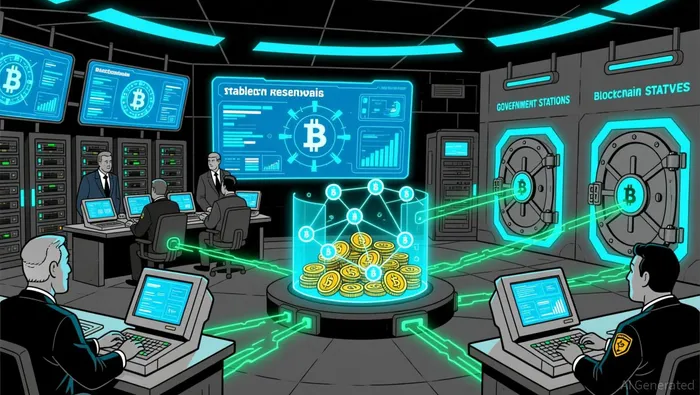
The South Korean government has made significant strides in its approach to digital assets, unveiling a comprehensive 2026 economic growth plan that centers on the institutionalization of digital currencies. The strategy includes a multi-phase approach to integrating digital assets into state financial operations, with a focus on stablecoins and blockchain-based systems for treasury management. This move is seen as a proactive effort to position South Korea at the forefront of digital finance, differentiating from regulatory models in the EU and the U.S. The emphasis on utility-driven adoption, rather than speculative trading, aims to foster a more structured and transparent ecosystem for digital assets. The government’s initiative could have long-term implications for LUNA, depending on how it aligns with the regulatory framework being developed.
Political and Legal Scrutiny
Luna’s statements underscore a broader trend of political engagement in the digital asset space, with lawmakers increasingly taking an active role in oversight and investigations. This environment may influence investor sentiment and regulatory expectations, further impacting tokens like LUNA.
Market Outlook and Analysts’ Views
Analysts remain cautious about LUNA’s short-term prospects, with some projecting continued volatility as the market digests regulatory changes and institutional movements. The South Korean government’s plan to modernize treasury operations using digital assets could represent a long-term opportunity, but short-term gains are unlikely unless the broader market stabilizes.
Market participants are advised to monitor the progress of South Korea’s regulatory efforts and any developments in U.S. legal inquiries, both of which could influence investor behavior and digital asset valuation models.
Conclusion
LUNA’s performance in the first quarter of 2026 reflects the challenges facing tokens tied to algorithmic stablecoin ecosystems. The South Korean government’s institutionalization strategy and the U.S. political landscape are key factors shaping the broader digital asset environment. While long-term opportunities exist, the path to stability for LUNA and similar tokens remains uncertain in the near term.

Delivering real-time analysis and insights on unexpected cryptocurrency price movements to keep traders ahead of the curve.
Latest Articles
Stay ahead of the market.
Get curated U.S. market news, insights and key dates delivered to your inbox.


AInvest
PRO
AInvest
PRO



Comments
No comments yet