
"Lummis Pushes States to Hedge Inflation with Bitcoin Reserves"
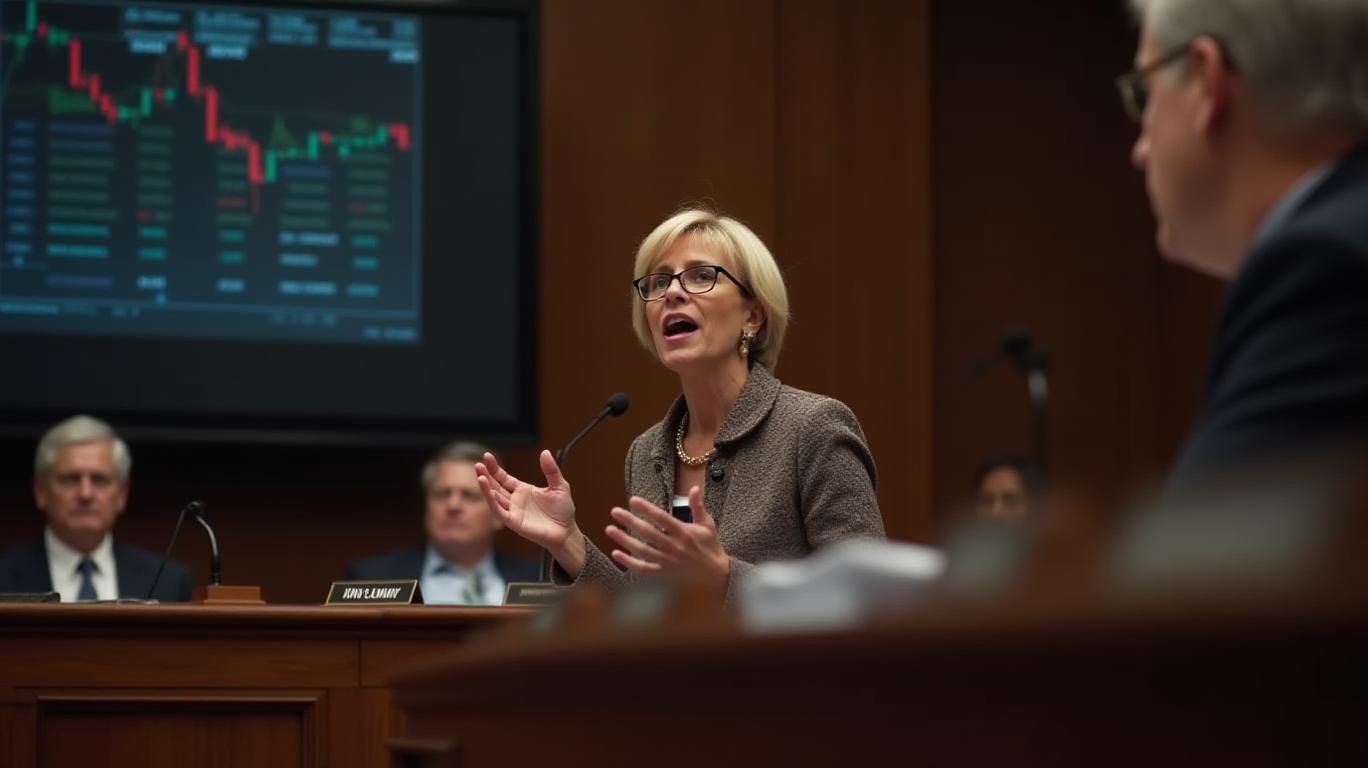
Senator Cynthia Lummis, a Republican from Wyoming, has been advocating for state-level strategic reserves of Bitcoin, as the Federal Reserve continues its discussions on monetary policy. Lummis, a known cryptocurrency enthusiast, believes that states should consider allocating a portion of their reserves to Bitcoin, as a hedge against potential inflation and currency devaluation.
Lummis' proposal comes at a time when the Federal Reserve is considering raising interest rates and reducing its bond purchases, which could potentially lead to a decrease in the value of the US dollar. By investing in Bitcoin, states could potentially protect their reserves from inflation and currency depreciation.
Lummis is not the only politician to advocate for the use of cryptocurrencies. In China, the government has been promoting the use of the digital yuan, its central bank digital currency, as a means of payment and a way to increase financial inclusion. Meanwhile, in Europe, the European Central Bank is also exploring the possibility of issuing a digital euro.
However, the use of cryptocurrencies is not without its risks. Bitcoin, for example, is known for its volatility, which could potentially lead to significant losses for states that invest in it. Additionally, the regulatory environment for cryptocurrencies is still uncertain, which could make it difficult for states to manage their reserves.
Despite these risks, Lummis believes that the potential benefits of investing in Bitcoin outweigh the risks. She has been advocating for the use of cryptocurrencies for some time now, and has even introduced legislation that would provide a legal framework for the use of cryptocurrencies in the United States.
In conclusion, Senator Cynthia Lummis' proposal for state-level strategic reserves of Bitcoin is a reflection of the growing interest in cryptocurrencies as a potential hedge against inflation and currency devaluation. While the risks associated with cryptocurrencies are significant, Lummis believes that the potential benefits make it a worthwhile investment for states to consider. As the Federal Reserve continues its discussions on monetary policy, it will be interesting to see how states respond to Lummis' proposal and whether they decide to allocate a portion of their reserves to Bitcoin.

Stay ahead of the market.
Get curated U.S. market news, insights and key dates delivered to your inbox.






Comments
No comments yet