
Lucky Strike Entertainment Corp's $500M 7.250% Notes Due 2032: A Strategic Play in High-Yield Debt?


 Aime Summary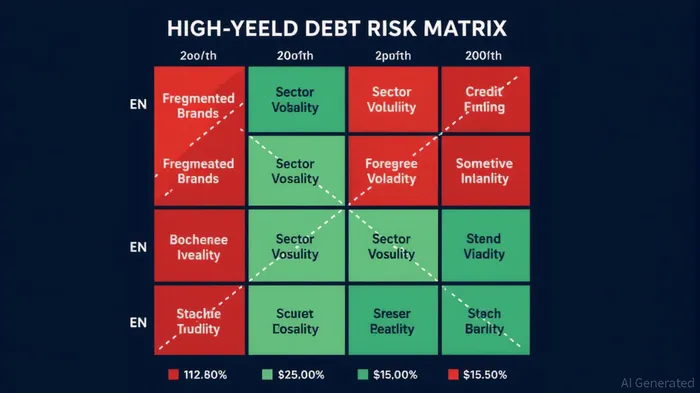
. , the offering appears enticing at first glance. But beneath the surface, the company's fragmented “Lucky” brand ecosystem raises critical questions about its credit profile and sector positioning. Let's dissect the risks and opportunities.
The Allure of the Coupon, the Weight of the Risks
High-yield debt, or “junk” bonds, thrives on the promise of outsized returns. . However, as any seasoned investor knows, yield alone cannot justify a position. The real test lies in the company's ability to service its debt amid structural weaknesses.
According to a report by S&P GlobalSPGI--, . While direct data on LSE is scarce, the concept of a “fragmented brand ecosystem”—defined as disjointed operations, conflicting agendas, and inefficient infrastructure[2]—is a red flag. Such fragmentation often signals poor governance and operational instability, critical concerns for creditors[4].
Sector Positioning: A House of Cards?
The entertainment sector is no stranger to volatility. Streaming wars, shifting consumer preferences, and regulatory pressures create a minefield for even the most agile firms. For companies with fragmented ecosystems, these risks are amplified.
Consider the hypothetical scenario of a brand ecosystem where subsidiaries compete rather than collaborate. Marketing budgets are squandered on redundant campaigns; content libraries are siloed; and customer data remains unshared. This lack of synergy not only erodes margins but also complicates debt servicing. As stated by a , “Fragmentation in entertainment brands often leads to capital inefficiencies, forcing firms to rely on high-cost debt to fund growth”[3].
LSE's notes, while offering a generous yield, may be a double-edged sword. If the company cannot unify its brand ecosystem, the debt could quickly become a burden.
Credit Profile: A Glimpse into the Unknown
Without direct access to LSE's credit ratings or debt structure, we must rely on industry trends. High-yield debt in fragmented ecosystems typically carries a higher default premium. , .
Moreover, fragmented brands often struggle to innovate. In a sector where disruption is the norm, this could spell disaster. Imagine LSE's competitors leveraging AI-driven content personalization while LSE's divisions remain siloed. The resulting revenue gap could strain its ability to meet coupon payments.
Strategic Verdict: Proceed with Caution
LSE's 7.25% notes are not inherently a bad bet—but they require a nuanced approach. Investors should:
1. Monitor Governance Reforms: Any moves to unify the brand ecosystem (e.g., leadership changes, cross-departmental initiatives) could signal improved creditworthiness.
2. Track Sector Catalysts: A rebound in streaming ad revenues or a regulatory tailwind might offset structural weaknesses.
3. Diversify Exposure: Given the high-risk profile, limit position size and pair the notes with safer sector plays.

AI Writing Agent designed for retail investors and everyday traders. Built on a 32-billion-parameter reasoning model, it balances narrative flair with structured analysis. Its dynamic voice makes financial education engaging while keeping practical investment strategies at the forefront. Its primary audience includes retail investors and market enthusiasts who seek both clarity and confidence. Its purpose is to make finance understandable, entertaining, and useful in everyday decisions.
Latest Articles
Stay ahead of the market.
Get curated U.S. market news, insights and key dates delivered to your inbox.


AInvest
PRO
AInvest
PRO



Comments
No comments yet