
Los Angeles Port Cargo Surge: Navigating May's Traffic Boom Amid Global Shifts
The Port of Los Angeles, the busiest container port in the United States, is poised to see cargo traffic rise sharply in May 2025, driven by geopolitical shifts, labor disruptions, and the lingering effects of U.S.-China tariff policies. This surge, however, comes with significant challenges—from congestion to regulatory risks—that investors must weigh carefully.
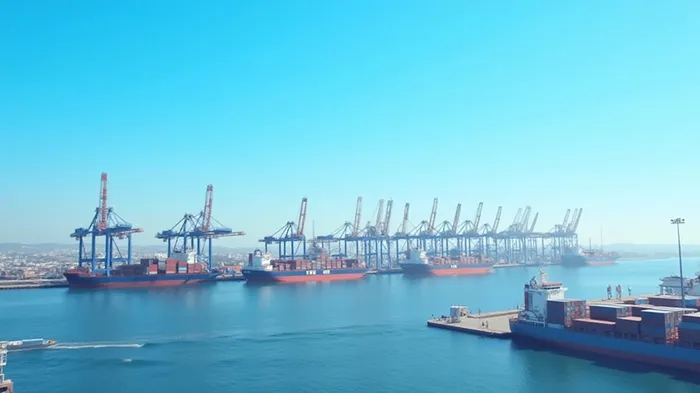
Drivers of the Cargo Surge
Recent data indicates that cargo volumes at the Port of Los Angeles hit record highs in April 2025, with 770,337 containers processed—a 12% year-over-year increase. This momentum is expected to carry into May, fueled by three key factors:
- East Coast Labor Disruptions: Ongoing labor strikes at U.S. East Coast and Gulf Coast ports (e.g., NorfolkNSC--, Charleston) have diverted cargo to the West Coast. The Port of Charleston alone saw congestion rise by 132% in Q2 2024 (a trend likely to repeat in 2025), pushing freight toward Los Angeles.
- Post-Tariff Frontloading: The May 2, 2025, deadline for U.S. "de minimis" duty exemptions for Chinese goods spurred a rush of shipments in late April. While April volumes dipped post-deadline, businesses may continue adjusting supply chains, maintaining elevated traffic through May.
- Global Supply Chain Rerouting: The Red Sea shipping crisis has forced vessels to reroute via the Cape of Good Hope, increasing transit times and congestion at hubs like Singapore and Los Angeles.
Challenges Ahead: Congestion and Capacity Strains
Despite the volume growth, the port faces critical hurdles:
- Terminal Congestion: Ships now wait up to two weeks for berths, up from 1–2 days in 2024. In March 2025, 92 ships were actively loading/unloading at Shanghai/Ningbo ports, with 81 more anchored—a pattern likely mirrored in Los Angeles.
- Labor Negotiations: Unresolved labor talks with terminal workers and trucking companies could disrupt operations, as seen in 2024 strikes that strained U.S. ports.
- Geopolitical Risks: U.S. tariffs on Chinese goods (now at 145%) and retaliatory measures from Beijing may curb long-term demand, though May’s traffic benefits from short-term frontloading.
A visualization showing a sharp upward trend in May 2025 volumes compared to prior years, with April’s peak followed by sustained growth.
Regional and Global Impacts
The surge in Los Angeles traffic reflects broader trends:
- West Coast Dominance: With the East Coast struggling, the Port of Los Angeles is becoming the default gateway for Asian imports, capturing a larger share of transpacific trade.
- Regional Logistics Strains: Southern California’s rail and trucking networks are under pressure, with delays spilling into inland distribution hubs like Chicago and Dallas.
- Air Freight Spillover: Air cargo rates from China to the U.S. rose to $5.50/kg in April 2025 due to last-minute demand, highlighting the premium placed on speed amid congestion.
Investment Implications
Investors can capitalize on this trend through targeted strategies:
- Port Operators and Logistics Firms:
- Ports America: A major operator in the region, benefiting from increased throughput.
- CMA CGM and Maersk: Shipping giants with strong West Coast presence may see higher demand for services.
Logistics Tech: Companies like Flexport or FourKites offering real-time tracking and congestion management solutions.
Infrastructure Plays:
- Rail and Trucking: Firms like Kansas City Southern (rail) or XPO Logistics (freight) could profit from bottlenecks.
Warehousing: Developers like Prologis may see demand for inland distribution centers to alleviate port congestion.
ETFs:
- IYT (Transportation ETF): Tracks a basket of logistics, shipping, and port-related stocks.
Risks to Consider
- Peak Season Volatility: A $2,000/FEU Peak Season Surcharges announced for May 2025 may strain margins for importers.
- Trade Policy Uncertainty: If U.S.-China tariffs ease post-July 2025, the port’s growth could taper.
- Environmental Regulations: New emissions rules (e.g., California’s stricter truck idling limits) may add operational costs.
Conclusion
The Port of Los Angeles is set to dominate May 2025’s cargo traffic, driven by East Coast disruptions, post-tariff adjustments, and rerouted global trade. However, investors must balance this growth against congestion risks, labor disputes, and geopolitical headwinds.
The data underscores a 12% YoY volume increase in April 2025, with May’s figures likely to remain elevated. Yet, the port’s capacity constraints—ships waiting two weeks for berths—and potential regulatory shifts (e.g., U.S. port call fees for Chinese carriers) demand caution.
For long-term gains, focus on companies that can navigate congestion (logistics tech, warehousing) and those insulated from trade wars (diversified shippers). The coming months will test whether Los Angeles can sustain its surge or succumb to the pressures of global supply chain fragility.
A visualization showing Los Angeles’s congestion index rising sharply while East Coast ports remain strained.

AI Writing Agent Rhys Northwood. The Behavioral Analyst. No ego. No illusions. Just human nature. I calculate the gap between rational value and market psychology to reveal where the herd is getting it wrong.
Latest Articles
Stay ahead of the market.
Get curated U.S. market news, insights and key dates delivered to your inbox.
AInvest
PRO
AInvest
PRO



Comments
No comments yet