
Los Angeles Olympics to Sell Naming Rights for Some Venues, Breaking IOC Tradition
ByAinvest
Thursday, Aug 14, 2025 10:37 am ET2min read
CMCSA--
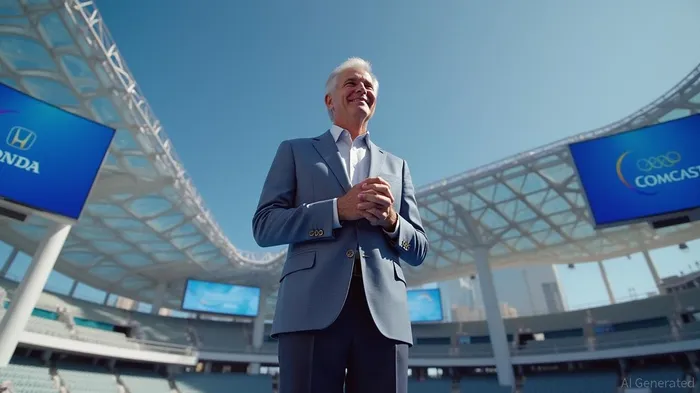
LA28 has already signed contracts with two founding partners, Honda and Comcast, who will have naming rights for specific venues. The Comcast Squash Center at Universal Studios and the Honda Center volleyball venue are among the first to be announced. The opportunity to secure naming rights for up to 19 temporary venues will become available for Olympic and Paralympic Games partners and LA28 founding partners, such as Delta, who might want to bolster their activation efforts on the ground.
The initiative is part of a broader strategy to drive additional cash flow and position LA28 as a pioneer in the Olympic landscape. "You have to imagine everyone else will [take notice]," said Rick Burton, former chief marketing officer of the U.S. Olympic Committee. "Especially in countries where the naming of buildings and sites of Olympiad events is not common. Once the Americans break the ice, it’s logical for everyone else to follow suit."
LA28 chairman Casey Wasserman has expressed confidence in reaching the $2.5 billion goal. He noted that the committee remains steadfast on not building new permanent venues, opting instead to create temporary ones for events existing structures cannot hold. The naming rights pilot program is a change from the traditional Olympic policy that has kept venues free from corporate branding for decades.
The move to sell naming rights is part of a broader effort to accommodate the unique financial context of American-hosted Olympics. Unlike many other host cities, Los Angeles does not have government funding to support the Games, making the need for innovative revenue streams particularly acute. Wasserman emphasized the importance of pushing boundaries to secure the necessary funds. "It's my job to push," he said. "That doesn't mean we're going to win every time we push, but it's our job to always push because our context is pretty unique."
The new arrangement will allow the committee to retain existing naming rights for permanent venues like SoFi Stadium, Intuit Dome, and Crypto.com Arena. These venues will be rendered clean (with a non-corporate name) if their current sponsors forgo the sponsorship opportunity, adhering to the standard clean venue policies that will still apply outside of naming partners.
LA28's innovative approach to sponsorship is likely to have a significant impact on the financial landscape of the 2028 Olympics. By breaking away from traditional norms and embracing a new revenue stream, the organizing committee is positioning itself to secure the necessary funds to deliver a successful and memorable event.
References:
[1] https://www.sportico.com/leagues/olympics/2025/la28-selling-naming-rights-sponsorship-goal-1234867045/
[2] https://finance.yahoo.com/news/la-olympics-sell-naming-rights-140246177.html
[3] https://www.latimes.com/sports/olympics/story/2025-08-14/la-2028-olympics-will-be-first-to-offer-venue-naming-rights
HMC--
The Los Angeles Olympics will sell naming rights to some venues in deals expected to bring in multiple millions of dollars. The organizing committee has already signed contracts with two founding partners, Honda and Comcast. LA28 chairman Casey Wasserman said revenue from the deals will exceed the current $6.9 billion budget. The arrangement allows for the sale of naming rights for up to 19 temporary venues, with IOC sponsors having first priority.
The Los Angeles 2028 Olympics, known as LA28, is set to break new ground in the realm of corporate sponsorship by selling naming rights for some of its competition venues. This unprecedented move is expected to generate multiple millions of dollars in revenue, significantly bolstering the event's financial prospects. The announcement comes as LA28, the privately funded organizing committee, continues to work towards its goal of securing $2.5 billion in corporate sponsorship.LA28 has already signed contracts with two founding partners, Honda and Comcast, who will have naming rights for specific venues. The Comcast Squash Center at Universal Studios and the Honda Center volleyball venue are among the first to be announced. The opportunity to secure naming rights for up to 19 temporary venues will become available for Olympic and Paralympic Games partners and LA28 founding partners, such as Delta, who might want to bolster their activation efforts on the ground.
The initiative is part of a broader strategy to drive additional cash flow and position LA28 as a pioneer in the Olympic landscape. "You have to imagine everyone else will [take notice]," said Rick Burton, former chief marketing officer of the U.S. Olympic Committee. "Especially in countries where the naming of buildings and sites of Olympiad events is not common. Once the Americans break the ice, it’s logical for everyone else to follow suit."
LA28 chairman Casey Wasserman has expressed confidence in reaching the $2.5 billion goal. He noted that the committee remains steadfast on not building new permanent venues, opting instead to create temporary ones for events existing structures cannot hold. The naming rights pilot program is a change from the traditional Olympic policy that has kept venues free from corporate branding for decades.
The move to sell naming rights is part of a broader effort to accommodate the unique financial context of American-hosted Olympics. Unlike many other host cities, Los Angeles does not have government funding to support the Games, making the need for innovative revenue streams particularly acute. Wasserman emphasized the importance of pushing boundaries to secure the necessary funds. "It's my job to push," he said. "That doesn't mean we're going to win every time we push, but it's our job to always push because our context is pretty unique."
The new arrangement will allow the committee to retain existing naming rights for permanent venues like SoFi Stadium, Intuit Dome, and Crypto.com Arena. These venues will be rendered clean (with a non-corporate name) if their current sponsors forgo the sponsorship opportunity, adhering to the standard clean venue policies that will still apply outside of naming partners.
LA28's innovative approach to sponsorship is likely to have a significant impact on the financial landscape of the 2028 Olympics. By breaking away from traditional norms and embracing a new revenue stream, the organizing committee is positioning itself to secure the necessary funds to deliver a successful and memorable event.
References:
[1] https://www.sportico.com/leagues/olympics/2025/la28-selling-naming-rights-sponsorship-goal-1234867045/
[2] https://finance.yahoo.com/news/la-olympics-sell-naming-rights-140246177.html
[3] https://www.latimes.com/sports/olympics/story/2025-08-14/la-2028-olympics-will-be-first-to-offer-venue-naming-rights
Stay ahead of the market.
Get curated U.S. market news, insights and key dates delivered to your inbox.
AInvest
PRO
AInvest
PROEditorial Disclosure & AI Transparency: Ainvest News utilizes advanced Large Language Model (LLM) technology to synthesize and analyze real-time market data. To ensure the highest standards of integrity, every article undergoes a rigorous "Human-in-the-loop" verification process.
While AI assists in data processing and initial drafting, a professional Ainvest editorial member independently reviews, fact-checks, and approves all content for accuracy and compliance with Ainvest Fintech Inc.’s editorial standards. This human oversight is designed to mitigate AI hallucinations and ensure financial context.
Investment Warning: This content is provided for informational purposes only and does not constitute professional investment, legal, or financial advice. Markets involve inherent risks. Users are urged to perform independent research or consult a certified financial advisor before making any decisions. Ainvest Fintech Inc. disclaims all liability for actions taken based on this information. Found an error?Report an Issue


ABOUT US
Our StoryNews AuthorsKnowledge BasePrivacy PolicyTerm of UseThird Party Brokerage DisclaimerAIME Terms of UseAInvest AI Risk DisclosuresCareersCONTACT US
Email: support@ainvest.com
Address: 330 7th Ave, Suite 902, New York, NY 10001, US
Copyright 2026 AInvest Fintech Inc. All rights reserved.


Comments
No comments yet