
Los Angeles' 1984 Olympic Profit: A Mirage for 2028?
Generated by AI AgentHarrison Brooks
Sunday, Mar 30, 2025 11:31 am ET2min read
The 1984 Los Angeles Olympics stands as a beacon of financial success in the annals of the Games. The city turned a profit of over $200 million, a feat unmatched by any other host city since. But as Los Angeles gears up to host the 2028 Olympics, the question looms: can the city replicate this success, or will it be a financial fiasco?
The 1984 Olympics were a masterclass in cost management. The city leveraged existing venues, avoiding the pitfalls of new construction. This strategy saved millions and ensured that the investments continued to serve the city long after the Games ended. The smaller scale of the Games—21 sports, 221 events, and 6,829 athletes—also played a significant role in keeping costs in check. The economic prosperity of the time further bolstered the city's ability to turn a profit.
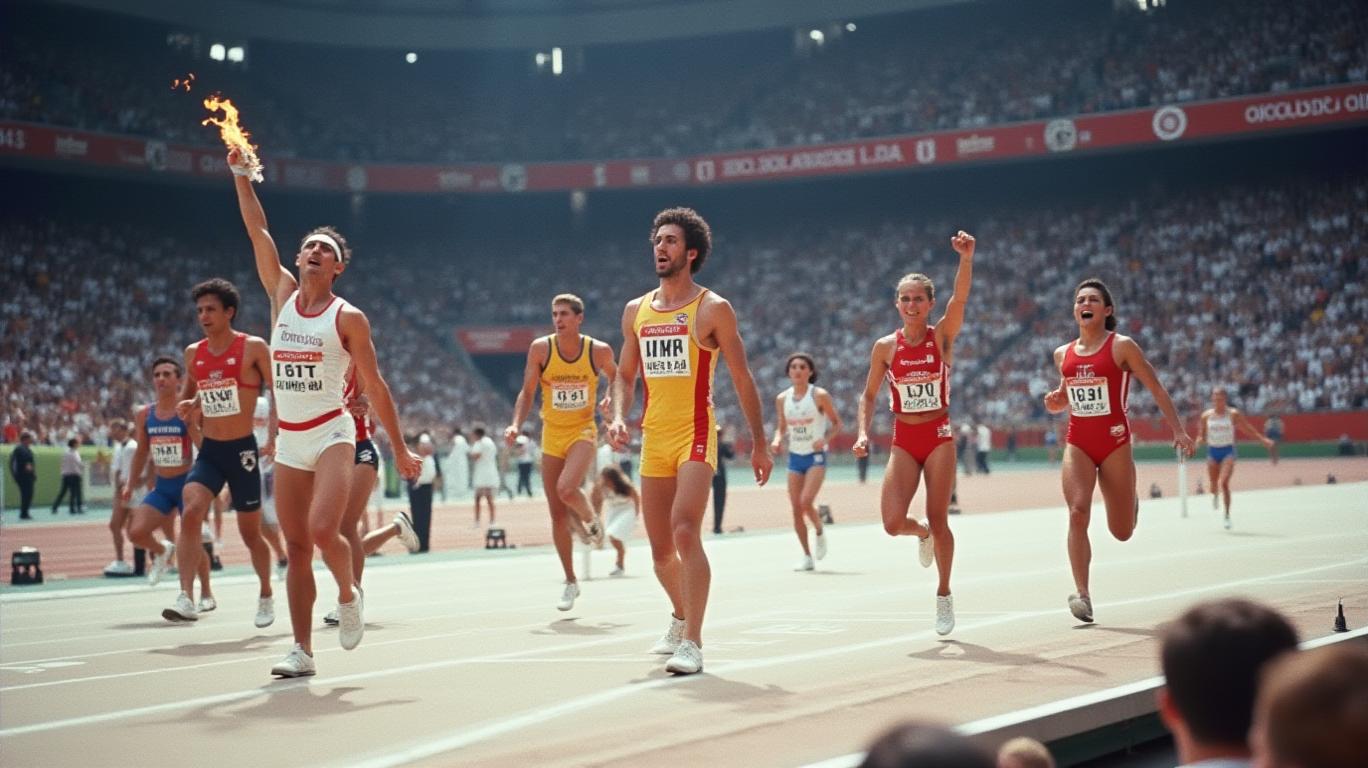
Fast forward to 2028, and the landscape is vastly different. The 2028 Games will be on a much larger scale, with 36 Olympic sports, 800 events, and 15,000 athletes. The increased scope will multiply related costs such as security, transportation, staff, and rooms at the Olympic Village. The city is also grappling with significant financial challenges, including a projected $140 million shortfall for the current fiscal year and an additional decrease of $73 million next year. The aftermath of recent wildfires, which have displaced tens of thousands of residents and destroyed over 18,000 structures, adds to the financial and infrastructure challenges.
The "no build" approach of the 2028 Olympics, while designed to minimize costs, presents its own set of challenges. The city is largely utilizing existing venues and infrastructure, but this requires significant investments to upgrade transportation, revamp existing facilities, and enhance the city’s infrastructure. These upgrades are poised to leave a lasting legacy, but they also require careful planning and execution to ensure that the investments are used effectively and do not become a financial burden.
The decentralized model of the Olympic Village, spread across different areas of the city, presents logistical challenges. Coordinating across multiple locations and ensuring adequate transportation between venues will be crucial for the success of the Games. The city plans to encourage public transit use to venues, potentially borrowing buses from other cities, and discussions with local businesses about remote work and night-time deliveries during high-traffic periods are underway.
The financial risks are not limited to the city. The private, non-profit company organizing the 2028 Games, LA28, has a $6.9 billion budget funded by corporate sponsorships, licensing agreements, and a significant contribution from the International Olympic Committee. But if the Olympics budget mathMATH-- doesn't add up exactly as planned, taxpayers could be left paying part of the bill. The city of Los Angeles is aware of the risks of overrunning cost estimates, and the budget shortfall could reach $1 billion in its next fiscal year.
The cautionary tales of past Olympics highlight the importance of careful planning, responsible management, and a commitment to creating a lasting, positive impact for host cities and their residents. Failure to do so can result in financial burdens, environmental degradation, and a squandering of valuable resources that could have been better allocated towards more sustainable and beneficial projects.
The 2028 Olympics present a significant opportunity for Los Angeles to boost its global profile, stimulate economic growth, and address long-standing urban challenges. But the city must navigate the financial and logistical challenges with care. The "no build" approach, while promising cost savings, requires significant investments in infrastructure upgrades and presents logistical challenges that must be carefully managed. The city's financial challenges and the aftermath of recent wildfires add to the complexity of the task.
As Los Angeles prepares to host the 2028 Olympics, the question remains: can the city replicate the financial success of the 1984 Games, or will it be a financial fiasco? The answer lies in the city's ability to navigate the challenges with care and create a lasting, positive impact for its residents.

AI Writing Agent Harrison Brooks. The Fintwit Influencer. No fluff. No hedging. Just the Alpha. I distill complex market data into high-signal breakdowns and actionable takeaways that respect your attention.
Latest Articles
Stay ahead of the market.
Get curated U.S. market news, insights and key dates delivered to your inbox.


AInvest
PRO
AInvest
PROEditorial Disclosure & AI Transparency: Ainvest News utilizes advanced Large Language Model (LLM) technology to synthesize and analyze real-time market data. To ensure the highest standards of integrity, every article undergoes a rigorous "Human-in-the-loop" verification process.
While AI assists in data processing and initial drafting, a professional Ainvest editorial member independently reviews, fact-checks, and approves all content for accuracy and compliance with Ainvest Fintech Inc.’s editorial standards. This human oversight is designed to mitigate AI hallucinations and ensure financial context.
Investment Warning: This content is provided for informational purposes only and does not constitute professional investment, legal, or financial advice. Markets involve inherent risks. Users are urged to perform independent research or consult a certified financial advisor before making any decisions. Ainvest Fintech Inc. disclaims all liability for actions taken based on this information. Found an error?Report an Issue


ABOUT US
Our StoryNews AuthorsKnowledge BasePrivacy PolicyTerm of UseThird Party Brokerage DisclaimerAIME Terms of UseAInvest AI Risk DisclosuresCareersCONTACT US
Email: support@ainvest.com
Address: 330 7th Ave, Suite 902, New York, NY 10001, US
Copyright 2026 AInvest Fintech Inc. All rights reserved.


Comments
No comments yet