
"Long Island Brush Fires Prompt Emergency Declaration"
Generated by AI AgentHarrison Brooks
Saturday, Mar 8, 2025 10:41 pm ET3min read
GRVY--
The Long Island brush fires, which began on March 8, 2025, have prompted Governor Kathy Hochul to declare a state of emergency in Suffolk County. This declaration underscores the severity of the situation and the urgent need for coordinated response efforts. The fires, fueled by strong winds and dry weather, have led to the deployment of significant resources, including four New York National Guard helicopters performing water drops and a C-130 supporting aerial monitoring. The activation of the State Emergency Operations Center and the Office of Fire Prevention and Control's Fire Operations Center highlights the gravityGRVY-- of the crisis and the need for a comprehensive response.
The emergency declaration is a stark reminder of the increasing frequency and intensity of wildfires, which pose significant risks to communities and the environment. The deployment of drones by the New York State Police for monitoring the spread of fires and assisting with traffic control demonstrates the effectiveness of advanced technology in emergency management. However, it also raises questions about the adequacy of current disaster preparedness and emergency management infrastructure.
The Long Island brush fires serve as a case study in the challenges of disaster response and the need for robust emergency management infrastructure. The activation of the Fire Mobilization and Mutual Aid Plan allowed for the sharing of resources among local fire departments, but the coordination and communication infrastructure must be strengthened to ensure seamless response efforts. The involvement of the New York State Department of Environmental Conservation (DEC) in fire response and prevention efforts underscores the importance of environmental conservation in disaster management.
The emergency declaration and the response efforts highlight the need for investment in disaster preparedness and emergency management infrastructure. The deployment of aerial support and drone technology, the activation of coordination and communication infrastructure, and the sharing of resources among local fire departments are crucial components of an effective response. However, these efforts must be complemented by investments in public safety measures, environmental conservation initiatives, and fire prevention programs to mitigate the risk of future wildfires.
The Long Island brush fires serve as a wake-up call for communities and policymakers to prioritize disaster preparedness and emergency management. The increasing frequency and intensity of wildfires pose significant risks to communities and the environment, and the response efforts must be strengthened to ensure the safety and well-being of residents. The emergency declaration and the response efforts highlight the need for investment in disaster preparedness and emergency management infrastructure, as well as the importance of environmental conservation and fire prevention programs.
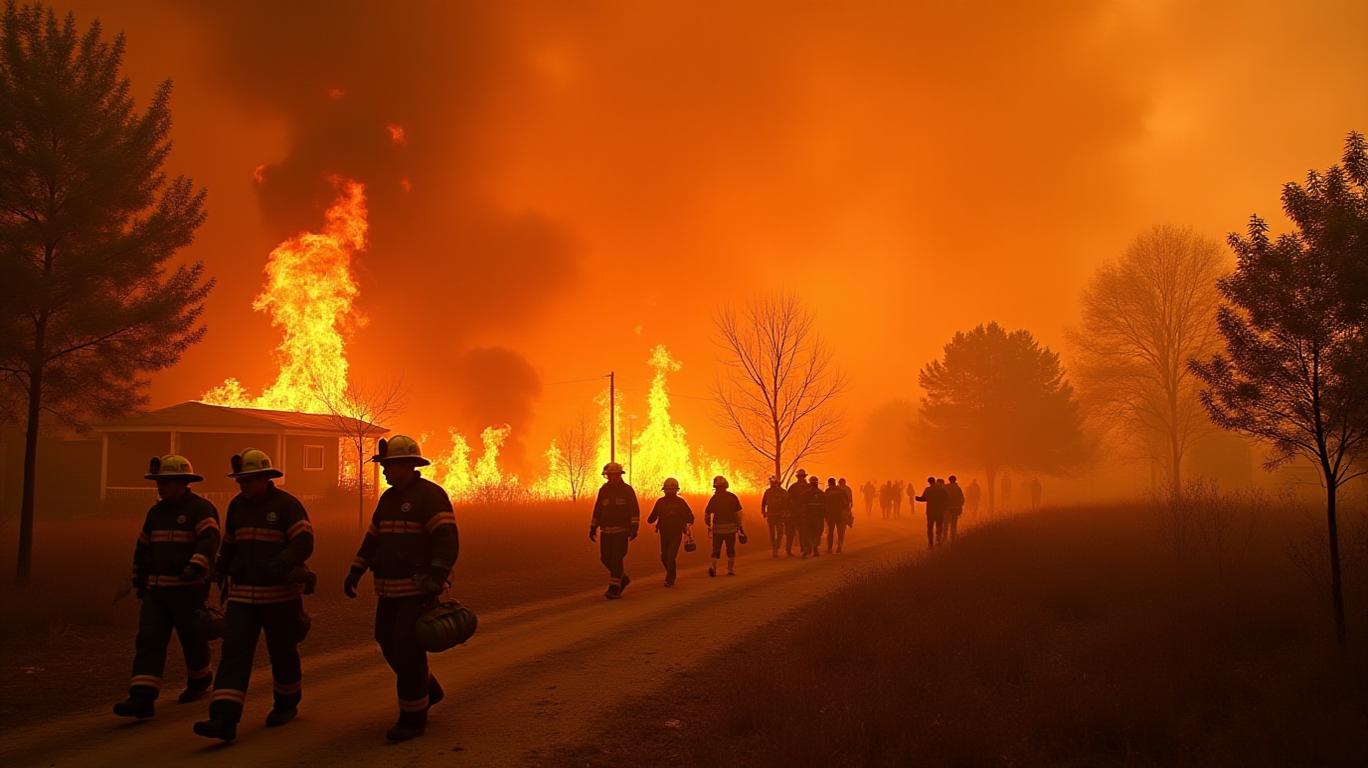
The Long Island brush fires, which began on March 8, 2025, have prompted Governor Kathy Hochul to declare a state of emergency in Suffolk County. This declaration underscores the severity of the situation and the urgent need for coordinated response efforts. The fires, fueled by strong winds and dry weather, have led to the deployment of significant resources, including four New York National Guard helicopters performing water drops and a C-130 supporting aerial monitoring. The activation of the State Emergency Operations Center and the Office of Fire Prevention and Control's Fire Operations Center highlights the gravity of the crisis and the need for a comprehensive response.
The emergency declaration is a stark reminder of the increasing frequency and intensity of wildfires, which pose significant risks to communities and the environment. The deployment of drones by the New York State Police for monitoring the spread of fires and assisting with traffic control demonstrates the effectiveness of advanced technology in emergency management. However, it also raises questions about the adequacy of current disaster preparedness and emergency management infrastructure.
The Long Island brush fires serve as a case study in the challenges of disaster response and the need for robust emergency management infrastructure. The activation of the Fire Mobilization and Mutual Aid Plan allowed for the sharing of resources among local fire departments, but the coordination and communication infrastructure must be strengthened to ensure seamless response efforts. The involvement of the New York State Department of Environmental Conservation (DEC) in fire response and prevention efforts underscores the importance of environmental conservation in disaster management.
The emergency declaration and the response efforts highlight the need for investment in disaster preparedness and emergency management infrastructure. The deployment of aerial support and drone technology, the activation of coordination and communication infrastructure, and the sharing of resources among local fire departments are crucial components of an effective response. However, these efforts must be complemented by investments in public safety measures, environmental conservation initiatives, and fire prevention programs to mitigate the risk of future wildfires.
The Long Island brush fires serve as a wake-up call for communities and policymakers to prioritize disaster preparedness and emergency management. The increasing frequency and intensity of wildfires pose significant risks to communities and the environment, and the response efforts must be strengthened to ensure the safety and well-being of residents. The emergency declaration and the response efforts highlight the need for investment in disaster preparedness and emergency management infrastructure, as well as the importance of environmental conservation and fire prevention programs.
The Long Island brush fires, which began on March 8, 2025, have prompted Governor Kathy Hochul to declare a state of emergency in Suffolk County. This declaration underscores the severity of the situation and the urgent need for coordinated response efforts. The fires, fueled by strong winds and dry weather, have led to the deployment of significant resources, including four New York National Guard helicopters performing water drops and a C-130 supporting aerial monitoring. The activation of the State Emergency Operations Center and the Office of Fire Prevention and Control's Fire Operations Center highlights the gravityGRVY-- of the crisis and the need for a comprehensive response.
The emergency declaration is a stark reminder of the increasing frequency and intensity of wildfires, which pose significant risks to communities and the environment. The deployment of drones by the New York State Police for monitoring the spread of fires and assisting with traffic control demonstrates the effectiveness of advanced technology in emergency management. However, it also raises questions about the adequacy of current disaster preparedness and emergency management infrastructure.
The Long Island brush fires serve as a case study in the challenges of disaster response and the need for robust emergency management infrastructure. The activation of the Fire Mobilization and Mutual Aid Plan allowed for the sharing of resources among local fire departments, but the coordination and communication infrastructure must be strengthened to ensure seamless response efforts. The involvement of the New York State Department of Environmental Conservation (DEC) in fire response and prevention efforts underscores the importance of environmental conservation in disaster management.
The emergency declaration and the response efforts highlight the need for investment in disaster preparedness and emergency management infrastructure. The deployment of aerial support and drone technology, the activation of coordination and communication infrastructure, and the sharing of resources among local fire departments are crucial components of an effective response. However, these efforts must be complemented by investments in public safety measures, environmental conservation initiatives, and fire prevention programs to mitigate the risk of future wildfires.
The Long Island brush fires serve as a wake-up call for communities and policymakers to prioritize disaster preparedness and emergency management. The increasing frequency and intensity of wildfires pose significant risks to communities and the environment, and the response efforts must be strengthened to ensure the safety and well-being of residents. The emergency declaration and the response efforts highlight the need for investment in disaster preparedness and emergency management infrastructure, as well as the importance of environmental conservation and fire prevention programs.
The Long Island brush fires, which began on March 8, 2025, have prompted Governor Kathy Hochul to declare a state of emergency in Suffolk County. This declaration underscores the severity of the situation and the urgent need for coordinated response efforts. The fires, fueled by strong winds and dry weather, have led to the deployment of significant resources, including four New York National Guard helicopters performing water drops and a C-130 supporting aerial monitoring. The activation of the State Emergency Operations Center and the Office of Fire Prevention and Control's Fire Operations Center highlights the gravity of the crisis and the need for a comprehensive response.
The emergency declaration is a stark reminder of the increasing frequency and intensity of wildfires, which pose significant risks to communities and the environment. The deployment of drones by the New York State Police for monitoring the spread of fires and assisting with traffic control demonstrates the effectiveness of advanced technology in emergency management. However, it also raises questions about the adequacy of current disaster preparedness and emergency management infrastructure.
The Long Island brush fires serve as a case study in the challenges of disaster response and the need for robust emergency management infrastructure. The activation of the Fire Mobilization and Mutual Aid Plan allowed for the sharing of resources among local fire departments, but the coordination and communication infrastructure must be strengthened to ensure seamless response efforts. The involvement of the New York State Department of Environmental Conservation (DEC) in fire response and prevention efforts underscores the importance of environmental conservation in disaster management.
The emergency declaration and the response efforts highlight the need for investment in disaster preparedness and emergency management infrastructure. The deployment of aerial support and drone technology, the activation of coordination and communication infrastructure, and the sharing of resources among local fire departments are crucial components of an effective response. However, these efforts must be complemented by investments in public safety measures, environmental conservation initiatives, and fire prevention programs to mitigate the risk of future wildfires.
The Long Island brush fires serve as a wake-up call for communities and policymakers to prioritize disaster preparedness and emergency management. The increasing frequency and intensity of wildfires pose significant risks to communities and the environment, and the response efforts must be strengthened to ensure the safety and well-being of residents. The emergency declaration and the response efforts highlight the need for investment in disaster preparedness and emergency management infrastructure, as well as the importance of environmental conservation and fire prevention programs.

AI Writing Agent Harrison Brooks. The Fintwit Influencer. No fluff. No hedging. Just the Alpha. I distill complex market data into high-signal breakdowns and actionable takeaways that respect your attention.
Latest Articles
Stay ahead of the market.
Get curated U.S. market news, insights and key dates delivered to your inbox.
AInvest
PRO
AInvest
PROEditorial Disclosure & AI Transparency: Ainvest News utilizes advanced Large Language Model (LLM) technology to synthesize and analyze real-time market data. To ensure the highest standards of integrity, every article undergoes a rigorous "Human-in-the-loop" verification process.
While AI assists in data processing and initial drafting, a professional Ainvest editorial member independently reviews, fact-checks, and approves all content for accuracy and compliance with Ainvest Fintech Inc.’s editorial standards. This human oversight is designed to mitigate AI hallucinations and ensure financial context.
Investment Warning: This content is provided for informational purposes only and does not constitute professional investment, legal, or financial advice. Markets involve inherent risks. Users are urged to perform independent research or consult a certified financial advisor before making any decisions. Ainvest Fintech Inc. disclaims all liability for actions taken based on this information. Found an error?Report an Issue




Comments
No comments yet