
Long Beach Tsunami Advisory: Precautionary Measures Following 8.8 Earthquake in Russia
 Aime Summary
The National Weather Service has issued a tsunami advisory for the Southern California coast, following an 8.8 magnitude earthquake in eastern Russia. The advisory warns of potentially dangerous waves and tides affecting Long Beach and the Los Angeles harbor area around 1 a.m. Wednesday. This advisory is noted to be a precautionary measure, distinguished from a more severe “warning,” which represents the highest level of tsunami alert.
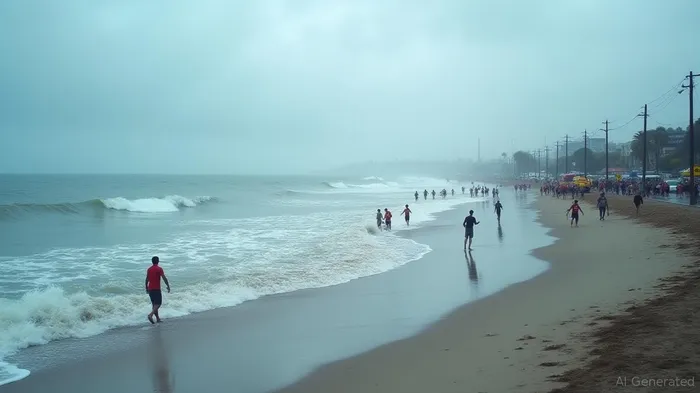
Forecasts estimate the tsunami impact to be less than 1 foot above the usual tide level. Coastal waters were expected to reach peak tides around 12:20 a.m., closely preceding the anticipated arrival of the tsunami, which could lead to limited flooding and damage. Despite the advisory, widespread inundation is not anticipated. Individuals are advised to remain off beaches and distant from the water as a safety measure.
The National Weather Service emphasized that tsunamis typically occur in series of waves, which can remain hazardous for many hours after the initial impact. The first wave might not be the strongest, with each wave lasting between 5 to 45 minutes while arriving and then receding gradually. Tsunami appearances can vary, ranging from water retreating rapidly to the sea, experiencing a gentle tide rise with no pronounced wave, to a succession of breaking waves or a foamy wall of water.
No evacuation warnings have been issued for Long Beach, although the city has closed all its beaches as of 10 p.m. To stay informed and prepared, officials encourage visits to longbeach.gov/emergency for local updates and resources. Residents are urged to subscribe for alerts should emergency notifications become necessary.
The NWS has provided safety advice for those in tsunami advisory areas, suggesting individuals move away from coastal waters, beaches, harbors, marinas, breakwaters, bays, and inlets. It's crucial to heed local emergency officials' directives, as they may offer location-specific instructions. In the event of feeling significant earthquake tremors, immediate action should involve moving inland or uphill, preferably by foot.
Boat operators are encouraged, where feasible and conditions allow, to move their vessels out to sea at a depth of at least 180 feet. Once at sea, avoiding shallow waters and congested marine areas is recommended to reduce risks from debris and currents. City officials advise securing boats in Alamitos Bay, Shoreline Marina, and Rainbow Harbor if deemed safe, noting that individuals at home should not return to their boat if already onshore.
In summary, accessing the latest forecasts at tsunami.gov and remaining vigilant is imperative for safety. While the likelihood of severe tsunami effects is low, preparedness and careful adherence to advisory recommendations ensure the well-being of Southern California's coastal residents and visitors during this event.

Manténgase al tanto de las últimas noticias de Wall Street en tiempo real.
Latest Articles
Stay ahead of the market.
Get curated U.S. market news, insights and key dates delivered to your inbox.


AInvest
PRO
AInvest
PRO



Comments
No comments yet