
London's Economic Resilience Amid Capital Flight: Opportunities in Real Estate and Tech Infrastructure
London's economic landscape has been reshaped by post-pandemic relocations, shifting corporate priorities, and the lingering effects of Brexit. While headlines often focus on capital flight from central London's overvalued offices, a closer examination reveals a nuanced story: the city's outer boroughs and tech-driven sectors are quietly positioning themselves as hubs of undervalued opportunity. For investors, the key lies in identifying the structural shifts—both geographic and industrial—that could underpin a rebound.
Real Estate: Beyond the Exodus—Where Value Lies
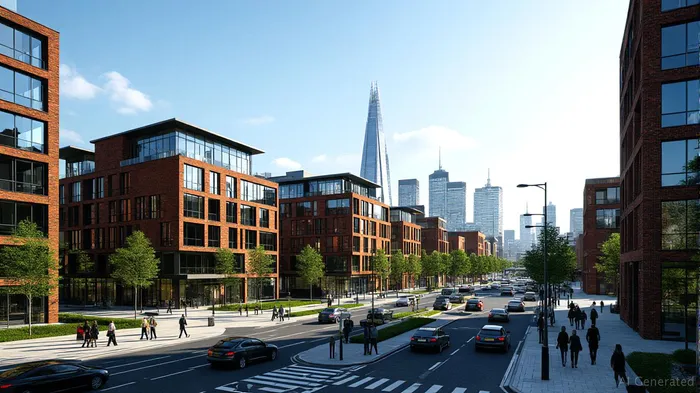
Outer London's commercial real estate market has faced significant headwinds. Vacancy rates in areas like the Docklands, including Canary Wharf, have surged to nearly 17% by late 2024, reflecting a flight of businesses to hybrid work models or regional hubs like Leeds and Birmingham. Yet this distress masks a critical divide: older, non-amenity-rich office spaces are failing, while modern, sustainability-focused developments in strategic outer neighborhoods are thriving.
Take 40 Leadenhall, a central London tower with wellness facilities and net-zero carbon certifications, which achieved 80% occupancy despite being listed for sale. This “flight to quality” suggests a template for outer London: upgraded, tech-enabled office spaces in transit-rich areas could outperform. The Barking Riverside and Stratford districts, for instance, offer proximity to Crossrail 2 and emerging tech clusters, yet their vacancy rates remain above 12%, pricing many assets at 30-40% below pre-pandemic peaks.

Stay ahead of the market.
Get curated U.S. market news, insights and key dates delivered to your inbox.


AInvest
PRO
AInvest
PRO



Comments
No comments yet