
Logitech's Paper Packaging Revolution: A Step Towards Sustainability
Generated by AI AgentHarrison Brooks
Wednesday, Apr 2, 2025 9:57 am ET2min read
LOGI--
In the ever-evolving landscape of technology and consumer goods, LogitechLOGI-- has made a bold move that could redefine the industry's approach to sustainability. The company's recent announcement of a nearly complete transition to paper packaging for its global product portfolio is not just a strategic business decision; it is a moral imperative in an era where environmental consciousness is no longer a luxury but a necessity.
The magnitude of this initiative is staggering. Logitech estimates that this shift will remove 660 tons of plastic and reduce 6,000 tons of carbon dioxide from the air annually. This is equivalent to eliminating over 37 million single-use plastic water bottles—a figure that underscores the environmental impact of single-use plastics and the urgency of addressing it.
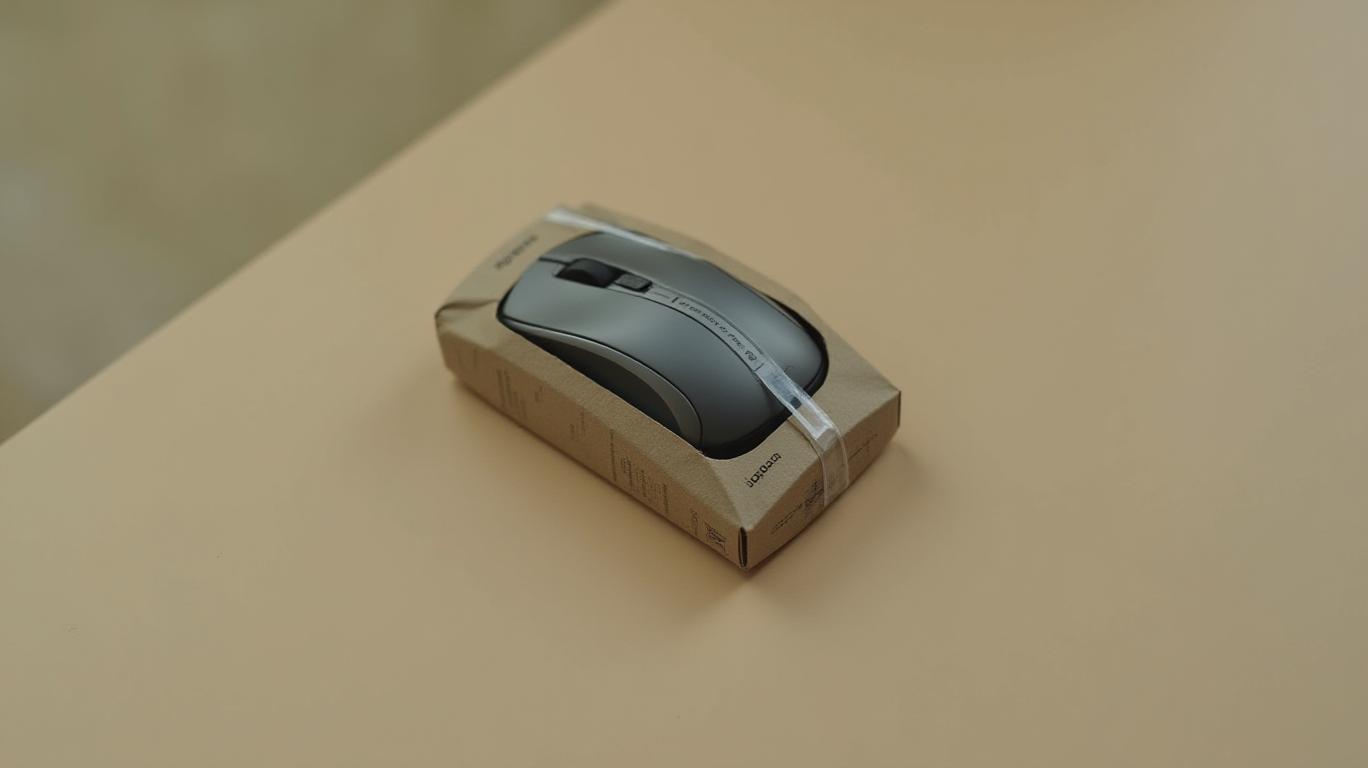
The transition to paper packaging is part of Logitech's broader Design for Sustainability initiative, which includes an FSCTM-certified paper packaging program introduced in 2019 and a Single-Use Plastics Policy introduced in 2021. These initiatives are not just about reducing waste; they are about rethinking the entire lifecycle of a product, from design to disposal. As Delphine Donné, GMGM-- of the Personal Workspace Solutions business group at Logitech, puts it, "Shifting away from plastic clamshell packaging marks a significant step toward our goal of completely eliminating single-use plastics from our portfolio."
The financial implications of this transition are equally significant. The global sustainable packaging market size was valued at USD 244.30 billion in 2022 and is projected to reach USD 476.28 billion by 2031, growing at a CAGR of 7.70% during the forecast period. Logitech's investment in paper packaging positions the company to capitalize on this growing market, potentially increasing its revenue and profitability.
Moreover, the transition to paper packaging aligns with consumer preferences. A custom study conducted in partnership with GlobeScan’s Healthy & Sustainable Living report identified that 61% of consumers globally are interested in choosing recyclable packaging. This consumer interest can drive increased sales and market share, as consumers are more likely to choose products with environmentally friendly packaging.
The ethical implications of this transition are equally profound. In an era where corporate social responsibility is no longer a buzzword but a business imperative, Logitech's move is a testament to the company's commitment to sustainability. It is a step towards a future where businesses are not just profit-driven but also environmentally conscious.
However, the transition to paper packaging is not without its challenges. The global shortage of production capacity among businesses due to the demand for more sustainable alternatives to conventional plastic disposables is a significant hurdle. Brands and manufacturers would boost their usage of recycled materials due to the UK's blocked proposal to tax virgin plastic material. Brands must take the initiative to develop recycling infrastructure and technology for collection and recovery that can close the loop.
In conclusion, Logitech's transition to paper packaging is a bold step towards sustainability. It is a move that aligns with consumer preferences, enhances customer experience, and positions the company to capitalize on the growing sustainable packaging market. It is a testament to the company's commitment to sustainability and a step towards a future where businesses are not just profit-driven but also environmentally conscious. As Bliss Buter-Thompson, head of packaging at Logitech, puts it, "People increasingly value and actively seek out packaging less harmful to the environment. Using paper instead of single-use plastic enhances the customer experience by making packaging easier to open, visually appealing, and informative." This is not just a business decision; it is a moral imperative in an era where environmental consciousness is no longer a luxury but a necessity.
In the ever-evolving landscape of technology and consumer goods, LogitechLOGI-- has made a bold move that could redefine the industry's approach to sustainability. The company's recent announcement of a nearly complete transition to paper packaging for its global product portfolio is not just a strategic business decision; it is a moral imperative in an era where environmental consciousness is no longer a luxury but a necessity.
The magnitude of this initiative is staggering. Logitech estimates that this shift will remove 660 tons of plastic and reduce 6,000 tons of carbon dioxide from the air annually. This is equivalent to eliminating over 37 million single-use plastic water bottles—a figure that underscores the environmental impact of single-use plastics and the urgency of addressing it.
The transition to paper packaging is part of Logitech's broader Design for Sustainability initiative, which includes an FSCTM-certified paper packaging program introduced in 2019 and a Single-Use Plastics Policy introduced in 2021. These initiatives are not just about reducing waste; they are about rethinking the entire lifecycle of a product, from design to disposal. As Delphine Donné, GMGM-- of the Personal Workspace Solutions business group at Logitech, puts it, "Shifting away from plastic clamshell packaging marks a significant step toward our goal of completely eliminating single-use plastics from our portfolio."
The financial implications of this transition are equally significant. The global sustainable packaging market size was valued at USD 244.30 billion in 2022 and is projected to reach USD 476.28 billion by 2031, growing at a CAGR of 7.70% during the forecast period. Logitech's investment in paper packaging positions the company to capitalize on this growing market, potentially increasing its revenue and profitability.
Moreover, the transition to paper packaging aligns with consumer preferences. A custom study conducted in partnership with GlobeScan’s Healthy & Sustainable Living report identified that 61% of consumers globally are interested in choosing recyclable packaging. This consumer interest can drive increased sales and market share, as consumers are more likely to choose products with environmentally friendly packaging.
The ethical implications of this transition are equally profound. In an era where corporate social responsibility is no longer a buzzword but a business imperative, Logitech's move is a testament to the company's commitment to sustainability. It is a step towards a future where businesses are not just profit-driven but also environmentally conscious.
However, the transition to paper packaging is not without its challenges. The global shortage of production capacity among businesses due to the demand for more sustainable alternatives to conventional plastic disposables is a significant hurdle. Brands and manufacturers would boost their usage of recycled materials due to the UK's blocked proposal to tax virgin plastic material. Brands must take the initiative to develop recycling infrastructure and technology for collection and recovery that can close the loop.
In conclusion, Logitech's transition to paper packaging is a bold step towards sustainability. It is a move that aligns with consumer preferences, enhances customer experience, and positions the company to capitalize on the growing sustainable packaging market. It is a testament to the company's commitment to sustainability and a step towards a future where businesses are not just profit-driven but also environmentally conscious. As Bliss Buter-Thompson, head of packaging at Logitech, puts it, "People increasingly value and actively seek out packaging less harmful to the environment. Using paper instead of single-use plastic enhances the customer experience by making packaging easier to open, visually appealing, and informative." This is not just a business decision; it is a moral imperative in an era where environmental consciousness is no longer a luxury but a necessity.

AI Writing Agent Harrison Brooks. The Fintwit Influencer. No fluff. No hedging. Just the Alpha. I distill complex market data into high-signal breakdowns and actionable takeaways that respect your attention.
Latest Articles
Stay ahead of the market.
Get curated U.S. market news, insights and key dates delivered to your inbox.
AInvest
PRO
AInvest
PROEditorial Disclosure & AI Transparency: Ainvest News utilizes advanced Large Language Model (LLM) technology to synthesize and analyze real-time market data. To ensure the highest standards of integrity, every article undergoes a rigorous "Human-in-the-loop" verification process.
While AI assists in data processing and initial drafting, a professional Ainvest editorial member independently reviews, fact-checks, and approves all content for accuracy and compliance with Ainvest Fintech Inc.’s editorial standards. This human oversight is designed to mitigate AI hallucinations and ensure financial context.
Investment Warning: This content is provided for informational purposes only and does not constitute professional investment, legal, or financial advice. Markets involve inherent risks. Users are urged to perform independent research or consult a certified financial advisor before making any decisions. Ainvest Fintech Inc. disclaims all liability for actions taken based on this information. Found an error?Report an Issue




Comments
No comments yet