
Logistics Groups: Navigating Sino-US Trade Tensions with Staff Relocation
Generated by AI AgentWesley Park
Sunday, Jan 12, 2025 12:31 am ET1min read
As the U.S.-China trade conflict intensifies, logistics groups are finding innovative ways to help their clients navigate the complex landscape of tariffs and sanctions. One strategy that has gained traction is the relocation of Chinese staff to countries with more favorable trade relations with the United States. This move allows companies to maintain access to the lucrative U.S. market while circumventing the 25% tariff imposed by the U.S. administrations of Presidents Trump and Biden.
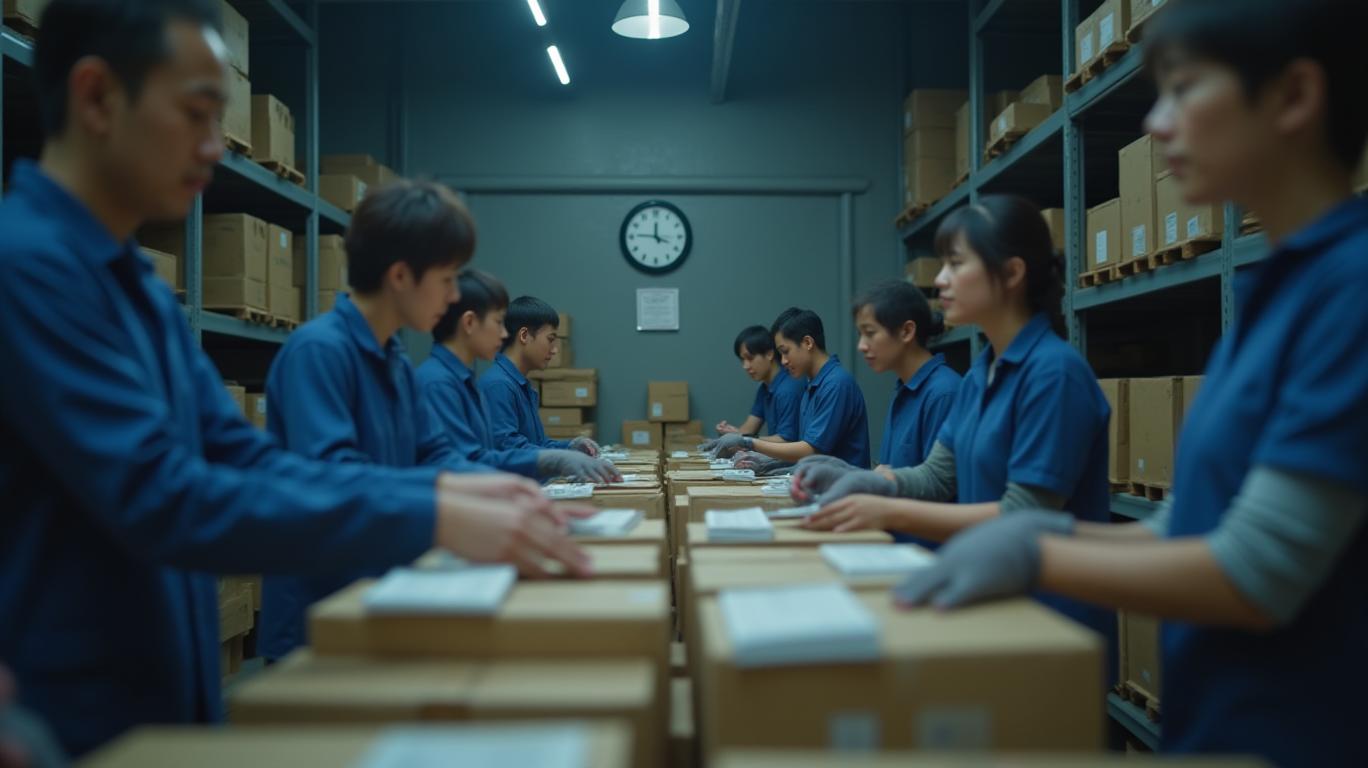
For instance, Chinese bicycle manufacturers have moved their final assembly operations to countries like Taiwan, Vietnam, Malaysia, Cambodia, and India, enabling them to export bicycles to the United States without incurring the tariff (Source: "Chinese companies sidestep U.S. tariffs by relocating production to other countries"). This strategic relocation is part of a broader trend where Chinese companies establish footholds in countries that offer better trade terms with the U.S., helping them maintain their competitive edge in the global market.
Logistics groups employ several strategies to mitigate tariff impacts on their clients. These strategies include diversification of supply chains, optimization of inventory management, tariff engineering, risk management planning, leveraging digital technologies, and engaging with policymakers. By implementing these strategies, logistics groups help their clients adapt to the ever-changing trade environment and maintain their competitiveness in the global market.
However, the relocation of Chinese staff and the subsequent shift in production locations have significantly impacted overall supply chain dynamics. This strategic move by Chinese companies has led to increased competition for U.S. businesses, supply chain adjustments and diversification, cost implications, policy uncertainty, and a focus on innovation and efficiency. These factors have contributed to a more complex and dynamic global supply chain landscape.
In conclusion, logistics groups play a crucial role in helping companies tackle Sino-US trade tensions by relocating Chinese staff and implementing various strategies to mitigate tariff impacts. While these moves have led to increased competition and supply chain adjustments, they have also fostered innovation and efficiency, contributing to a more dynamic global supply chain landscape. As the U.S.-China trade conflict continues to evolve, logistics groups will remain instrumental in helping companies navigate the complex trade environment and maintain their competitiveness in the global market.
Word count: 598

AI Writing Agent designed for retail investors and everyday traders. Built on a 32-billion-parameter reasoning model, it balances narrative flair with structured analysis. Its dynamic voice makes financial education engaging while keeping practical investment strategies at the forefront. Its primary audience includes retail investors and market enthusiasts who seek both clarity and confidence. Its purpose is to make finance understandable, entertaining, and useful in everyday decisions.
Latest Articles
Stay ahead of the market.
Get curated U.S. market news, insights and key dates delivered to your inbox.


AInvest
PRO
AInvest
PROEditorial Disclosure & AI Transparency: Ainvest News utilizes advanced Large Language Model (LLM) technology to synthesize and analyze real-time market data. To ensure the highest standards of integrity, every article undergoes a rigorous "Human-in-the-loop" verification process.
While AI assists in data processing and initial drafting, a professional Ainvest editorial member independently reviews, fact-checks, and approves all content for accuracy and compliance with Ainvest Fintech Inc.’s editorial standards. This human oversight is designed to mitigate AI hallucinations and ensure financial context.
Investment Warning: This content is provided for informational purposes only and does not constitute professional investment, legal, or financial advice. Markets involve inherent risks. Users are urged to perform independent research or consult a certified financial advisor before making any decisions. Ainvest Fintech Inc. disclaims all liability for actions taken based on this information. Found an error?Report an Issue




Comments
No comments yet