
Lockheed Martin Secures Pentagon Contract for Taiwan Military Sales
 Aime Summary
- The sale aligns with the U.S. policy of maintaining a strong defense relationship with Taiwan
- The contract reflects growing geopolitical tensions and the U.S. commitment to regional stability
- Lockheed Martin's involvement in defense sales indicates sustained demand for its military systems
- The deal could influence Lockheed Martin's Q4 2025 financial performance and long-term revenue outlook
The Pentagon's decision to award Lockheed MartinLMT-- a $328.5 million contract for military sales to Taiwan has significant implications for the defense sector. This move not only reinforces the U.S. commitment to regional security but also highlights the ongoing geopolitical dynamics in the Asia-Pacific. For investors, the contract signals continued demand for advanced defense systems and could drive short-term revenue growth for Lockheed Martin. However, the broader impact will depend on how these sales align with the company's overall fiscal strategy and operational capacity. Retail investors should monitor the stock's reaction to this news and assess its alignment with the company's long-term strategic goals.
What Is the Significance of the Pentagon's Military Sales to Taiwan?
The Pentagon's decision to award Lockheed Martin a $328.5 million contract for military sales to Taiwan underscores the strategic importance of the island nation in U.S. foreign policy. These sales are part of a broader effort to bolster Taiwan's defense capabilities and maintain stability in the region. For Lockheed Martin, the contract represents a significant revenue opportunity and demonstrates the company's ongoing role in critical national defense initiatives. 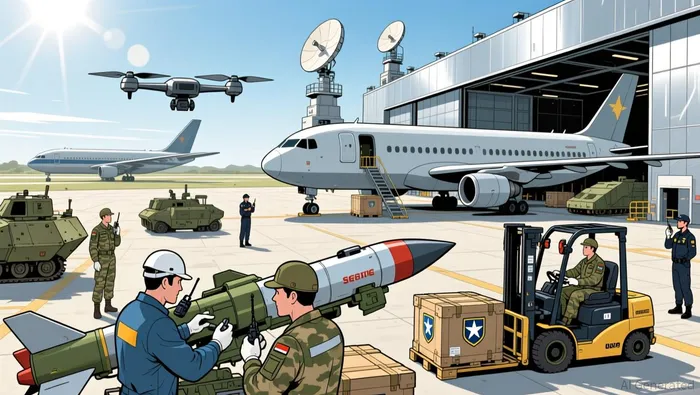 The sale includes advanced military systems that enhance Taiwan's ability to defend itself while also serving as a deterrent against potential aggression. Investors should view this as a positive development, especially in the context of heightened global tensions and the need for robust defense infrastructure.
How Do Military Sales Impact Lockheed Martin's Financial Performance?
Military sales to international partners like Taiwan have a direct impact on Lockheed Martin's financial performance. These contracts contribute to the company's revenue and operating income, supporting its ability to invest in research and development for future defense technologies. , particularly in the fourth quarter of 2025. However, investors should also consider the long-term implications of such contracts. Sustained demand for defense systems and a stable geopolitical environment are key factors that will determine the company's future performance. As the global security landscape continues to evolve, Lockheed Martin's ability to adapt and secure new contracts will be crucial for maintaining its competitive edge.
What Are the Geopolitical Implications of the U.S.-Taiwan Military Relationship?
The U.S.-Taiwan military relationship has significant geopolitical implications, particularly in the Asia-Pacific region. The sale of advanced military systems to Taiwan by the Pentagon reflects the U.S. commitment to maintaining a balance of power and ensuring regional stability. For investors, this means that Lockheed Martin is likely to continue receiving government contracts in the coming years, especially if tensions persist. The company's involvement in these sales also highlights its strategic importance in the defense sector and its ability to provide cutting-edge technology to key allies. However, investors should remain cautious about potential risks, such as changes in U.S. foreign policy or shifts in the global political landscape that could impact future contracts.
What Should Investors Watch for in the Coming Months?
. Key metrics to watch include quarterly revenue, earnings per share, and operating margins. Additionally, investors should pay attention to any changes in U.S. foreign policy that could affect future military sales. The company's ability to secure additional contracts and maintain a strong presence in the defense market will be crucial for long-term growth. Furthermore, investors should consider the broader economic and geopolitical factors that could influence the defense industry, such as inflation, interest rates, and global security threats. By staying informed about these developments, investors can make more informed decisions about their investment in Lockheed Martin.

Manténganse al tanto de las noticias de Wall Street en tiempo real.
Latest Articles
Stay ahead of the market.
Get curated U.S. market news, insights and key dates delivered to your inbox.




Comments
No comments yet