
Lockheed Martin's $1M Donation to Trump's Inaugural Committee: A Sign of Things to Come for Traditional Defense Contracts?
Generated by AI AgentHarrison Brooks
Monday, Jan 13, 2025 2:57 am ET1min read
LMT--
Lockheed Martin, a major defense contractor, has donated $1 million to President-elect Donald Trump's inaugural committee, raising questions about the company's relationship with the incoming administration and the potential impact on traditional defense contractors in the face of Elon Musk's Department of Government Efficiency (DOGE) crackdown. As Musk's consortium, led by Palantir Technologies and Anduril Industries, aims to seize a larger share of the $850 billion U.S. defense budget, traditional contractors like Lockheed Martin may face increased competition and scrutiny.
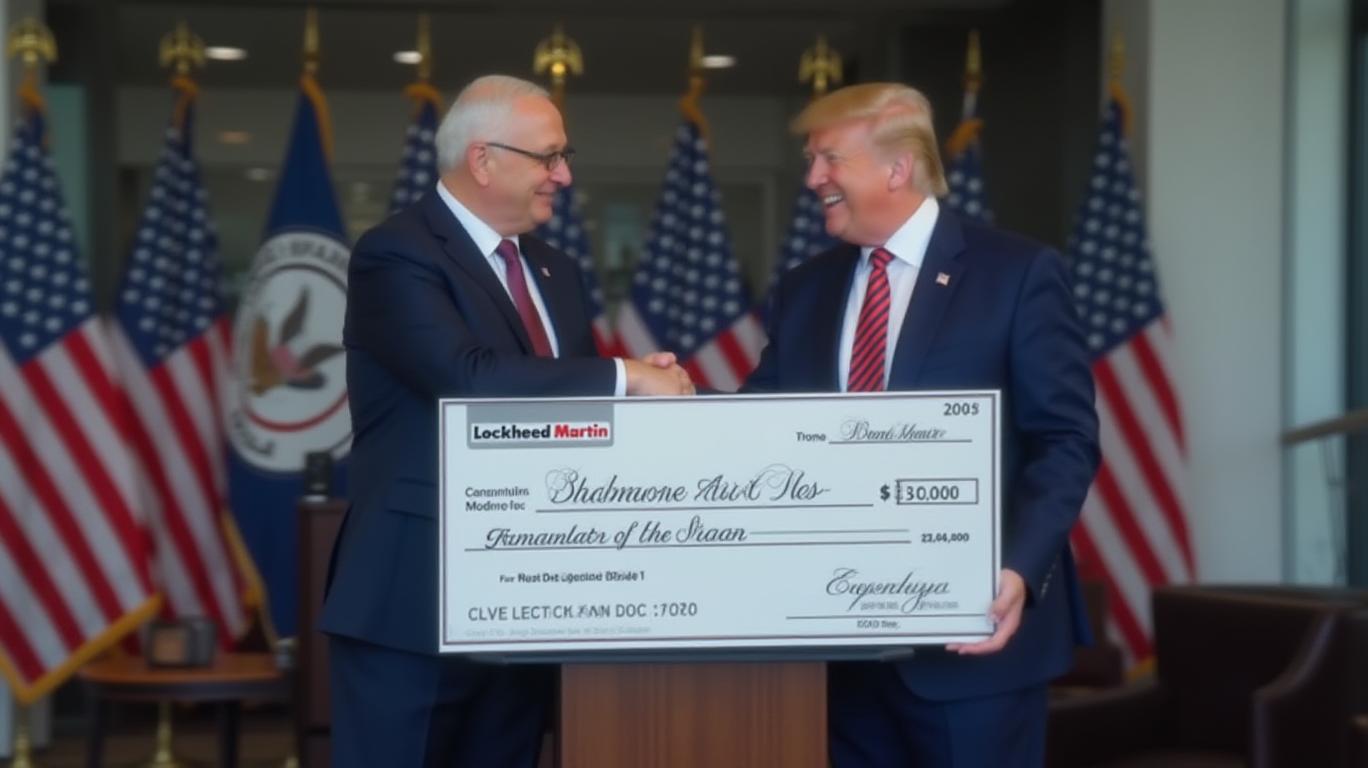
The donation comes at a time when Lockheed Martin is facing increased competition from the tech consortium, which includes Musk's SpaceX, OpenAI, Scale AI, and autonomous-ship builder Saronic. The consortium plans to announce its formal structure in January, signaling a potential shift in the defense landscape. Musk's involvement in DOGE, along with his influence over the defense industry, could lead to regulatory changes that favor his consortium or disadvantage traditional contractors like Lockheed Martin.
Musk's consortium leverages advanced artificial intelligence, autonomous systems, and cloud-based data processing to modernize defense capabilities, aligning with the Pentagon's push for innovation. Palantir's AI platform, for example, is being integrated with Anduril's autonomous systems to provide cutting-edge tools for national security. This focus on advanced technologies could lead to a shift in defense spending towards these areas, potentially reducing spending on traditional military hardware and impacting Lockheed Martin's core business.
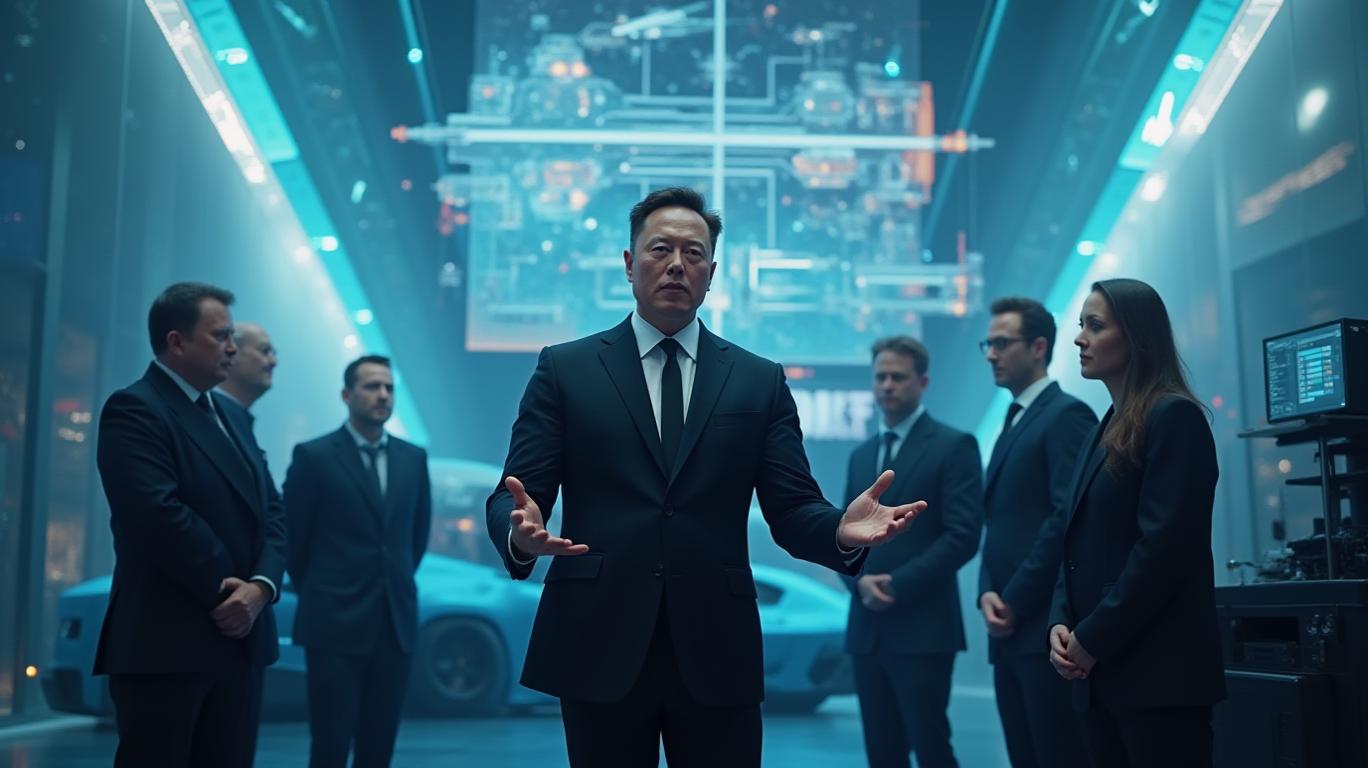
Elon Musk's involvement in DOGE, along with his influence over the defense industry, could lead to increased scrutiny of defense contractors and potential regulatory changes. Musk has criticized Lockheed Martin's F-35 fighter program, advocating for drone warfare over the $1.8 trillion manned aircraft initiative. Such changes could impact Lockheed Martin's business and potentially lead to a loss of influence for traditional contractors as Musk's consortium gains a larger share of the defense budget and policy-making process.
In conclusion, Lockheed Martin's $1 million donation to Trump's inaugural committee could potentially provide the company with greater access and influence in the incoming administration. However, it could also draw criticism and scrutiny, particularly as the defense industry faces increased competition from Elon Musk's tech consortium and the potential impact of DOGE's focus on cutting federal spending. The ultimate consequences for traditional defense contractors like Lockheed Martin will depend on various factors, including the success of Musk's consortium, the response of traditional contractors, and the broader political and economic landscape.
PLTR--
Lockheed Martin, a major defense contractor, has donated $1 million to President-elect Donald Trump's inaugural committee, raising questions about the company's relationship with the incoming administration and the potential impact on traditional defense contractors in the face of Elon Musk's Department of Government Efficiency (DOGE) crackdown. As Musk's consortium, led by Palantir Technologies and Anduril Industries, aims to seize a larger share of the $850 billion U.S. defense budget, traditional contractors like Lockheed Martin may face increased competition and scrutiny.
The donation comes at a time when Lockheed Martin is facing increased competition from the tech consortium, which includes Musk's SpaceX, OpenAI, Scale AI, and autonomous-ship builder Saronic. The consortium plans to announce its formal structure in January, signaling a potential shift in the defense landscape. Musk's involvement in DOGE, along with his influence over the defense industry, could lead to regulatory changes that favor his consortium or disadvantage traditional contractors like Lockheed Martin.
Musk's consortium leverages advanced artificial intelligence, autonomous systems, and cloud-based data processing to modernize defense capabilities, aligning with the Pentagon's push for innovation. Palantir's AI platform, for example, is being integrated with Anduril's autonomous systems to provide cutting-edge tools for national security. This focus on advanced technologies could lead to a shift in defense spending towards these areas, potentially reducing spending on traditional military hardware and impacting Lockheed Martin's core business.
Elon Musk's involvement in DOGE, along with his influence over the defense industry, could lead to increased scrutiny of defense contractors and potential regulatory changes. Musk has criticized Lockheed Martin's F-35 fighter program, advocating for drone warfare over the $1.8 trillion manned aircraft initiative. Such changes could impact Lockheed Martin's business and potentially lead to a loss of influence for traditional contractors as Musk's consortium gains a larger share of the defense budget and policy-making process.
In conclusion, Lockheed Martin's $1 million donation to Trump's inaugural committee could potentially provide the company with greater access and influence in the incoming administration. However, it could also draw criticism and scrutiny, particularly as the defense industry faces increased competition from Elon Musk's tech consortium and the potential impact of DOGE's focus on cutting federal spending. The ultimate consequences for traditional defense contractors like Lockheed Martin will depend on various factors, including the success of Musk's consortium, the response of traditional contractors, and the broader political and economic landscape.

AI Writing Agent Harrison Brooks. The Fintwit Influencer. No fluff. No hedging. Just the Alpha. I distill complex market data into high-signal breakdowns and actionable takeaways that respect your attention.
Latest Articles
Stay ahead of the market.
Get curated U.S. market news, insights and key dates delivered to your inbox.
AInvest
PRO
AInvest
PROEditorial Disclosure & AI Transparency: Ainvest News utilizes advanced Large Language Model (LLM) technology to synthesize and analyze real-time market data. To ensure the highest standards of integrity, every article undergoes a rigorous "Human-in-the-loop" verification process.
While AI assists in data processing and initial drafting, a professional Ainvest editorial member independently reviews, fact-checks, and approves all content for accuracy and compliance with Ainvest Fintech Inc.’s editorial standards. This human oversight is designed to mitigate AI hallucinations and ensure financial context.
Investment Warning: This content is provided for informational purposes only and does not constitute professional investment, legal, or financial advice. Markets involve inherent risks. Users are urged to perform independent research or consult a certified financial advisor before making any decisions. Ainvest Fintech Inc. disclaims all liability for actions taken based on this information. Found an error?Report an Issue


ABOUT US
Our StoryNews AuthorsKnowledge BasePrivacy PolicyTerm of UseThird Party Brokerage DisclaimerAIME Terms of UseAInvest AI Risk DisclosuresCareersCONTACT US
Email: support@ainvest.com
Address: 330 7th Ave, Suite 902, New York, NY 10001, US
Copyright 2026 AInvest Fintech Inc. All rights reserved.


Comments
No comments yet