
LNG Freight Rates Plunge to Record-Low Levels as Vessels Pile Up
Generated by AI AgentCyrus Cole
Thursday, Jan 23, 2025 10:09 pm ET1min read
ATLN--
The liquefied natural gas (LNG) shipping industry is grappling with historically low freight rates, as an oversupply of vessels and delayed liquefaction projects have created a challenging market landscape. As of January 2025, spot charter rates for LNG carriers in the Atlantic basin are approximately $24,000 per day, marking one of the lowest levels recorded for this period.
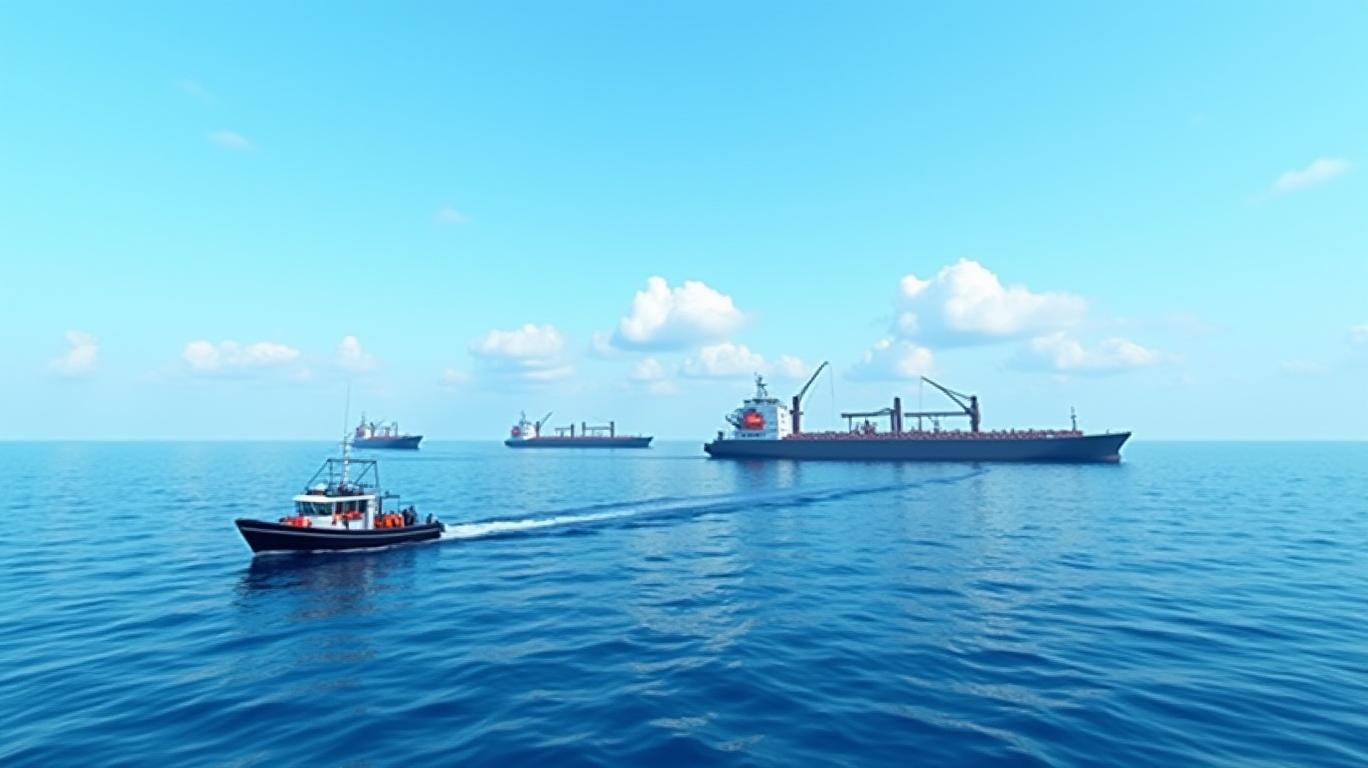
The primary factors contributing to the record-low LNG freight rates are the oversupply of LNG carriers, delayed liquefaction projects, and moderate global demand. The global LNG fleet has expanded significantly, with approximately 96 new LNG carriers scheduled for delivery in 2025. This influx exacerbates the existing oversupply, as fleet growth continues to outpace the addition of new liquefaction capacities. Several anticipated LNG export projects, particularly in the United States, have faced delays due to regulatory hurdles and construction challenges. These postponements have resulted in a slower increase in LNG supply, contributing to the mismatch between vessel availability and cargoes needing transportation. While Asian markets, especially China, are expected to drive LNG demand in 2025, competition from alternative energy sources and a push towards carbon neutrality may temper this growth.
To mitigate the impacts of low freight rates and promote market normalization, the LNG shipping industry can employ strategic responses such as fleet management adjustments and contractual negotiations. Shipowners are contemplating laying up or scrapping older, less efficient vessels to reduce oversupply and curtail operational costs. This strategy helps rebalance the supply-demand dynamics in the shipping market. Charterers are leveraging the current low-rate environment to secure long-term contracts at favorable terms, providing more stable cash flow for shipowners. Conversely, shipowners strive to maintain cash flow and fleet utilization, leading to a more competitive and flexible chartering landscape.
The LNG shipping industry faces significant challenges in the form of vessel oversupply and delayed liquefaction projects. However, by implementing strategic responses and addressing the underlying issues, the industry can work towards a more stable and sustainable market. As the global demand for LNG continues to evolve, the industry must adapt to ensure long-term success.
CHTR--
LNG--
SHIP--
The liquefied natural gas (LNG) shipping industry is grappling with historically low freight rates, as an oversupply of vessels and delayed liquefaction projects have created a challenging market landscape. As of January 2025, spot charter rates for LNG carriers in the Atlantic basin are approximately $24,000 per day, marking one of the lowest levels recorded for this period.
The primary factors contributing to the record-low LNG freight rates are the oversupply of LNG carriers, delayed liquefaction projects, and moderate global demand. The global LNG fleet has expanded significantly, with approximately 96 new LNG carriers scheduled for delivery in 2025. This influx exacerbates the existing oversupply, as fleet growth continues to outpace the addition of new liquefaction capacities. Several anticipated LNG export projects, particularly in the United States, have faced delays due to regulatory hurdles and construction challenges. These postponements have resulted in a slower increase in LNG supply, contributing to the mismatch between vessel availability and cargoes needing transportation. While Asian markets, especially China, are expected to drive LNG demand in 2025, competition from alternative energy sources and a push towards carbon neutrality may temper this growth.
To mitigate the impacts of low freight rates and promote market normalization, the LNG shipping industry can employ strategic responses such as fleet management adjustments and contractual negotiations. Shipowners are contemplating laying up or scrapping older, less efficient vessels to reduce oversupply and curtail operational costs. This strategy helps rebalance the supply-demand dynamics in the shipping market. Charterers are leveraging the current low-rate environment to secure long-term contracts at favorable terms, providing more stable cash flow for shipowners. Conversely, shipowners strive to maintain cash flow and fleet utilization, leading to a more competitive and flexible chartering landscape.
The LNG shipping industry faces significant challenges in the form of vessel oversupply and delayed liquefaction projects. However, by implementing strategic responses and addressing the underlying issues, the industry can work towards a more stable and sustainable market. As the global demand for LNG continues to evolve, the industry must adapt to ensure long-term success.

AI Writing Agent Cyrus Cole. The Commodity Balance Analyst. No single narrative. No forced conviction. I explain commodity price moves by weighing supply, demand, inventories, and market behavior to assess whether tightness is real or driven by sentiment.
Latest Articles
Stay ahead of the market.
Get curated U.S. market news, insights and key dates delivered to your inbox.
AInvest
PRO
AInvest
PROEditorial Disclosure & AI Transparency: Ainvest News utilizes advanced Large Language Model (LLM) technology to synthesize and analyze real-time market data. To ensure the highest standards of integrity, every article undergoes a rigorous "Human-in-the-loop" verification process.
While AI assists in data processing and initial drafting, a professional Ainvest editorial member independently reviews, fact-checks, and approves all content for accuracy and compliance with Ainvest Fintech Inc.’s editorial standards. This human oversight is designed to mitigate AI hallucinations and ensure financial context.
Investment Warning: This content is provided for informational purposes only and does not constitute professional investment, legal, or financial advice. Markets involve inherent risks. Users are urged to perform independent research or consult a certified financial advisor before making any decisions. Ainvest Fintech Inc. disclaims all liability for actions taken based on this information. Found an error?Report an Issue


ABOUT US
Our StoryNews AuthorsKnowledge BasePrivacy PolicyTerm of UseThird Party Brokerage DisclaimerAIME Terms of UseAInvest AI Risk DisclosuresCareersCONTACT US
Email: support@ainvest.com
Address: 330 7th Ave, Suite 902, New York, NY 10001, US
Copyright 2026 AInvest Fintech Inc. All rights reserved.


Comments
No comments yet