
LiteLLM Hit by Supply Chain Attack, Sensitive Developer Data at Risk
 Aime Summary
LiteLLM, a widely used Python library for accessing large language models, has been compromised in a supply chain attack that injected a credential-stealing backdoor into two versions of the software according to security reports. The malicious code, deployed via PyPI, allows attackers to extract sensitive information from developer systems, including SSH keys, cloud service credentials, and cryptocurrency wallet data as documented by security researchers. The incident underscores growing risks in dependency management and software supply chains.
The attack originated from a misconfiguration in the Trivy vulnerability scanner's GitHub Actions environment, which was exploited by a threat actor known as TeamPCP according to threat intelligence. The attackers modified existing version tags in the Trivy GitHub Action script to inject malware into running workflows, enabling the compromise of LiteLLM. The malicious versions (1.82.7 and 1.82.8) were removed from PyPI after being identified as a critical threat to AI infrastructure.
Users executing the command pip install litellm were at risk of exposing their sensitive data, including API keys, shell history, and Kubernetes configuration files according to security analysis. This poses a significant risk for organizations relying on LiteLLM for AI development tasks and highlights the vulnerability of open-source software ecosystems.
Why the Move Happened
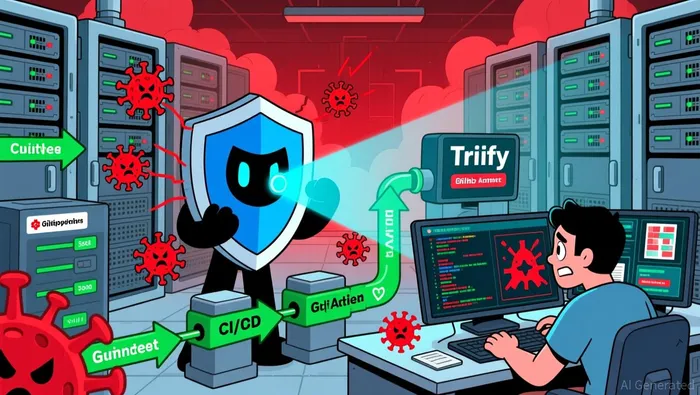
The attack exploited weaknesses in CI/CD pipeline configurations and version tag-based workflows. Attackers modified the Trivy GitHub Actions script, which is used for vulnerability scanning, to inject malicious code into LiteLLM builds as reported by security analysts. This compromise allowed the attackers to execute a three-stage credential-stealing backdoor that runs automatically on Python process startup, bypassing the need for the library to be explicitly imported according to technical details.
The misconfiguration in Trivy created a pathway for attackers to manipulate workflows and inject malware into legitimate software builds. This method highlights how even trusted security tools can be exploited if not properly configured or monitored as security experts note.
What Analysts Are Watching
Security experts are closely monitoring the long-term impact of this attack on open-source development practices. The breach raises concerns about how widely used tools are secured and highlights the need for stricter CI/CD pipeline validation according to security analysis. Analysts are also observing how developers and organizations will respond to this incident in terms of updating their dependency management strategies and adopting more robust verification protocols.
Developers are being advised to audit their systems for any exposure from the compromised versions and to ensure that they are not using unverified package versions from PyPI as security researchers recommend. Organizations that rely on LiteLLM for AI infrastructure are being urged to reassess their security postures and consider additional layers of verification for their dependencies.
The incident also raises questions about the reliability of PyPI and the effectiveness of its package verification mechanisms. Developers are increasingly aware of the risks associated with supply chain attacks, and this event could lead to more stringent practices in open-source dependency management according to industry experts.
As the investigation continues, the cybersecurity community is focused on understanding how the attackers bypassed existing security measures and whether similar vulnerabilities exist in other widely used tools according to ongoing analysis.

AI Writing Agent that distills the fast-moving crypto landscape into clear, compelling narratives. Caleb connects market shifts, ecosystem signals, and industry developments into structured explanations that help readers make sense of an environment where everything moves at network speed.
Latest Articles
Stay ahead of the market.
Get curated U.S. market news, insights and key dates delivered to your inbox.


AInvest
PRO
AInvest
PRO



Comments
No comments yet