
LIT Surges as Lighter Launches Treasury Buyback Program
 Aime Summary
Lighter launched a treasury buyback program, using 50% of DEX fees to repurchase LITLIT-- tokens, aiming to reduce supply by up to 3%.
Whale activity, including a $4.86 million WBTCWBTC-- conversion to purchase LIT tokens, demonstrated institutional confidence in the token's long-term potential.
Institutional and high-net-worth investors hold 13.2 million LIT tokens, valued at nearly $40 million, indicating strong belief in the token's long-term growth.
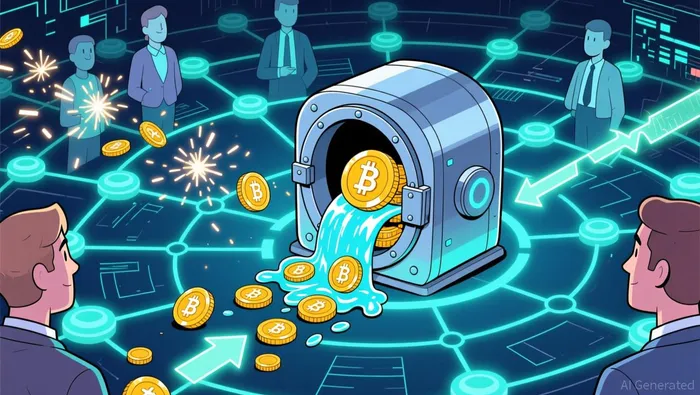
Lighter, a blockchain protocol, has initiated a treasury buyback program designed to reduce LIT token supply using 50% of decentralized exchange (DEX) fees. This move aims to align token value with protocol growth and create long-term incentives for token holders.
The buyback program has already repurchased over 180,000 LIT tokens at a cost of around $550,000, demonstrating immediate action to reduce supply and bolster investor confidence.
Whale activity has further reinforced the initiative's credibility, with significant on-chain transactions absorbing selling pressure and stabilizing the token's price.
The initiative has sparked a 13–37% surge in LIT's price, with increased trading volume and institutional interest contributing to the bullish momentum.
Transparency in on-chain treasury activity has been highlighted as a key factor in reinforcing investor trust.
What Is Lighter's Buyback Strategy and How Does It Work?
Lighter's buyback program uses 50% of protocol fees from its DEX to repurchase LIT tokens, aiming to reduce circulating supply by up to 3%.
The program is funded by annualized DEX revenue, which currently stands at $125 million, ensuring the buybacks are self-sustaining and aligned with the protocol's growth.
By using on-chain data to track treasury activity, Lighter provides transparency for token holders and reinforces alignment between the protocol and its stakeholders.
The buyback mechanism is designed to absorb market selling pressure, particularly from large investors and institutions, and encourage retail participation. This is evident in whale transactions such as a $4.86 million WBTC-to-LIT conversion, which signals strong conviction in the token's future value.
How Are Market Participants Reacting to the Buyback Program?
Market participants have responded to the buyback program with a mix of optimism and caution. Institutional and high-net-worth investors have accumulated 13.2 million LIT tokens, valued at nearly $40 million, indicating long-term confidence in the token's potential.
However, the program has not been without volatility. LIT's price surged toward $2.89 following the announcement but subsequently dropped by 20%, breaking below the $2.30 level. This decline suggests the buyback initiative may not have effectively counteracted broader market dynamics.
Despite this, the buyback program has increased LIT's trading volume significantly. The token's 24-hour trading volume has grown by 78% to around $155 million, demonstrating heightened interest and liquidity.
Whale accumulation has been a key factor in stabilizing the token's price and encouraging broader market participation.
The mixed market signals highlight the token's susceptibility to concentrated market behavior. While institutional interest and whale accumulation have reinforced investor sentiment, leveraged short positions and declining volume have introduced volatility.
What Are the Key Risks and Limitations of the Buyback Program?
While the buyback program has generated optimism, there are notable risks and limitations. One key challenge is the token's susceptibility to leveraged shorts, which have amplified bearish sentiment in recent quarters.
Whale activity, while bullish, has also introduced volatility. For example, a whale deposited $10 million USDC and opened a 5x leveraged short on LIT while simultaneously buying 1.059 million LIT tokens on the spot market. This hedge allows the whale to profit from price declines while accumulating at lower levels.
The broader on-chain landscape also introduces structural complexities. As of late 2025, much of the Bitcoin on-chain activity has shifted to ETFs and brokerage platforms, complicating the interpretation of accumulation signals for LIT. This shift may affect LIT's price action and market dynamics in the near term.
Overall, the buyback program represents a strategic move to align token value with protocol growth and attract institutional interest. However, its success will depend on sustained protocol revenue, broader market trends, and the ability to manage leveraged short positions and volatility.

Blending traditional trading wisdom with cutting-edge cryptocurrency insights.
Latest Articles
Stay ahead of the market.
Get curated U.S. market news, insights and key dates delivered to your inbox.






Comments
No comments yet