
LIT Surges as Lighter Launches Treasury Buyback Program
 Aime Summary
- Lighter initiated a buyback program using 50% of DEX fees to repurchase LITLIT-- tokens, aiming to reduce supply by up to 3%.
- As of January 2026, the treasury repurchased over 180,000 LIT tokens worth about $550,000, reinforcing transparency and investor confidence.
- Whale activity, such as a $4.86M WBTC conversion to purchase 1.119 million LIT tokens, highlighted institutional interest and contributed to a 13–37% price increase.
Lighter launched a treasury buyback program in early 2026, allocating 50% of decentralized exchange (DEX) fees to repurchase LIT tokens. This initiative aims to reduce the token's circulating supply by up to 3% and align its value with protocol growth. As of January 2026, the Lighter treasury had repurchased over 180,000 LIT tokens worth approximately $550,000. This buyback activity is designed to create sustained buying pressure, reinforcing the token’s price appreciation and investor confidence in the protocol’s long-term strategy.
The buyback program has been supported by whale activity and institutional interest. A notable $4.86M WBTC conversion was used to purchase 1.119 million LIT tokens, further reinforcing market confidence in the token's value. Institutional and high-net-worth investors, holding over 13.2 million LIT tokens, have demonstrated a strong belief in the token's long-term potential. The transparency provided by tracking protocol revenue and buyback activity in the treasury account has added credibility to the program, aligning token demand directly with protocol usage and creating a more stable tokenomic model. 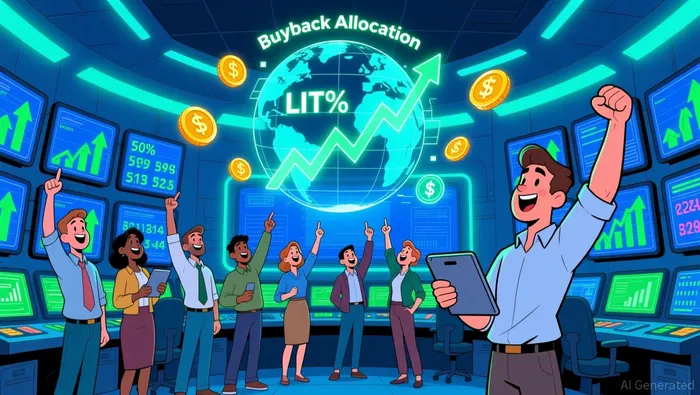
How Does the Buyback Program Affect LIT's Price?
The buyback program, which uses 50% of DEX fees to repurchase LIT tokens, has directly impacted the token’s price. As of January 2026, the LIT token surged by 13–37% in response to the buyback strategy. Whale investments and increased trading volume have further supported the token’s price. The 24-hour trading volume increased by 89% to $36M, indicating heightened market interest in the token. Analysts note that by reducing the circulating supply, the program is designed to create sustained buying pressure and tie token demand directly to protocol growth. However, some caution that large whale holdings may introduce volatility.
What Are the Risks and Limitations of the Buyback Strategy?
Despite the positive impact on LIT's price, the buyback strategy faces potential limitations. Large whale holdings, such as the significant amount held by Tron founder Justin Sun, may lead to volatility if a large holder decides to sell off their position. Analysts also note that while the buyback strategy aligns with broader DeFi trends of using tokenomics to enhance value, it could also create dependency on continued DEX fee generation and whale activity for sustained price appreciation. Additionally, while the treasury account provides transparency into buyback activity, it does not eliminate all risks associated with market sentiment and broader crypto market trends.
What Is the Long-Term Outlook for LIT?
The long-term outlook for LIT appears positive, given the alignment between token demand and protocol growth. Institutional and whale activity reinforces confidence in the token's future value. The treasury buyback program, coupled with increased trading volume and favorable market conditions, supports the token's price momentum. However, the long-term success of the token will depend on the continued execution of the buyback strategy and the protocol's ability to maintain high levels of DEX activity. Transparency in treasury operations and alignment with broader DeFi trends position Lighter as a transparent protocol in a competitive market.

Blending traditional trading wisdom with cutting-edge cryptocurrency insights.
Latest Articles
Stay ahead of the market.
Get curated U.S. market news, insights and key dates delivered to your inbox.






Comments
No comments yet